

First Time in Seoul Travel Guide: What to Do, Where to Stay, What to Eat & Practical Seoul Tips
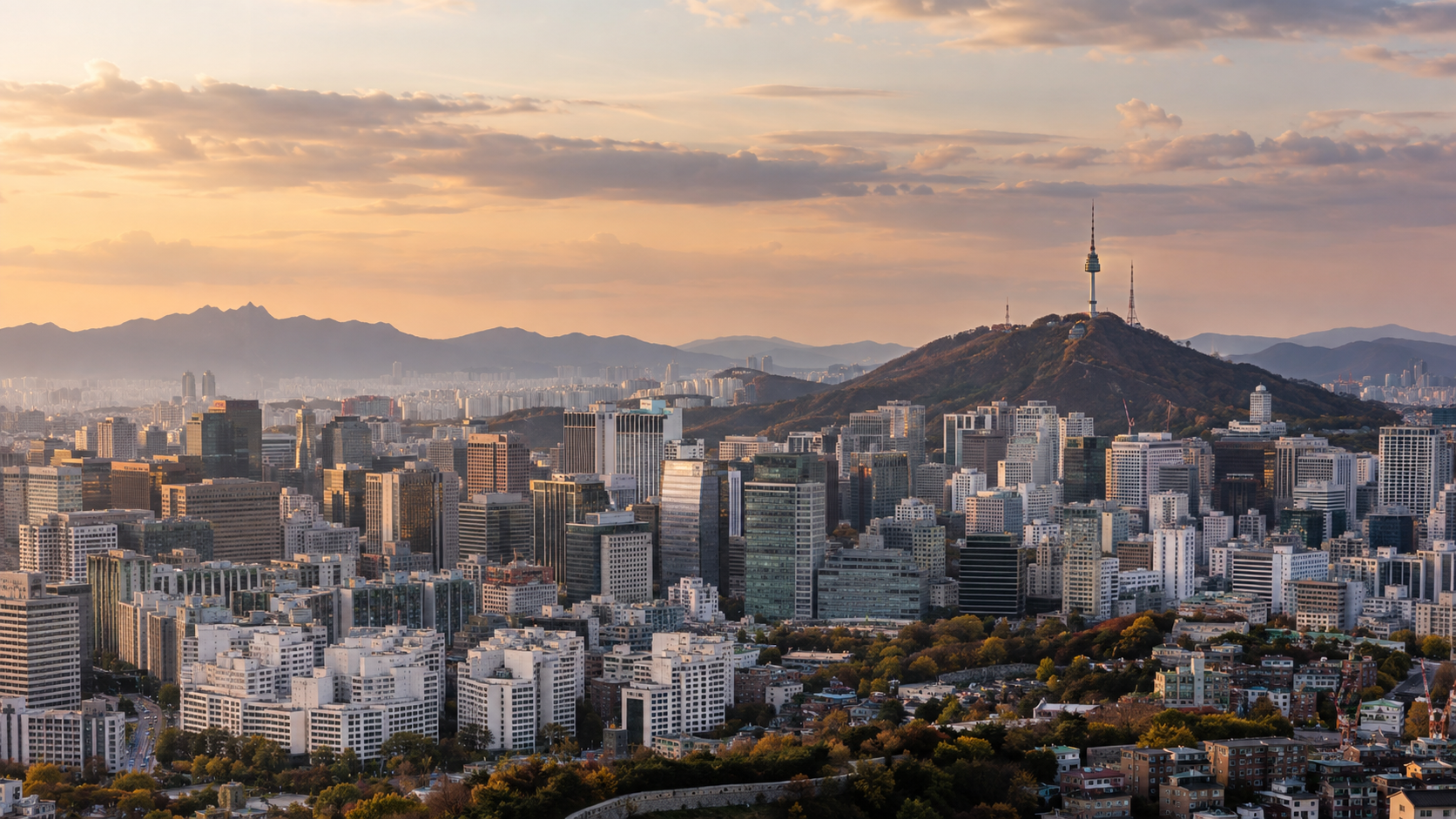
Your first time in Seoul can feel exciting, confusing, fast, beautiful, and overwhelming all at once. Seoul is not the kind of city where everything happens in one small tourist zone. It is a huge city made up of very different neighborhoods, each with its own mood, rhythm, food, shopping, cafes, nightlife, history, and local habits.
That is exactly what makes Seoul worth visiting.
You can start the morning at a palace, spend the afternoon shopping for skincare, drink coffee in a converted warehouse cafe, walk beside a stream in the middle of the city, watch the skyline from a mountain, and end the night with Korean BBQ, ramen, or late-night street food. Seoul can be traditional, modern, stylish, chaotic, quiet, convenient, and intense in the same day.
At Mongvely, we meet many people who are visiting Seoul for the first time. Some arrive with a full itinerary. Some only know they want Korean food, shopping, K-beauty, cafes, and good photos. Some stay in Myeongdong because it feels central and easy. Some arrive late from the airport and want to make the most of their first night.
This first time in Seoul travel guide is written to help you plan smarter. Not by filling every hour with famous spots, but by understanding how Seoul actually works: where to stay, how to move around, which neighborhoods to group together, what to eat, what mistakes to avoid, and how to enjoy your trip without spending half the day on the subway.
➣ READ ALSO : The Ultimate Guide to Korean BBQ in Seoul
First Rule: Do Not Try to See All of Seoul in One Trip
The biggest mistake first-time visitors make in Seoul is trying to do too much.
Seoul is large. On a map, places may look close, but subway transfers, walking between exits, waiting for elevators, crowds, hills, and traffic can make the day longer than expected. A first-time Seoul itinerary should not be built like a race. It should be built by area.
Instead of planning Gyeongbokgung, Seongsu, Gangnam, Hongdae, Myeongdong, Yeouido, and Itaewon all in one day, choose one main area and one nearby area. This keeps the trip enjoyable instead of exhausting.
A better first-time Seoul plan looks like this:
Myeongdong and Namsan in one day.
Gwanghwamun, palaces, Bukchon, Insadong, and Cheonggyecheon in one day.
Seongsu and Seoul Forest in one day.
Gangnam, COEX, and Jamsil in one day.
Hongdae and Yeonnam-dong in one day.
Yeouido and The Hyundai Seoul in one day.
This kind of planning saves time, lowers stress, and makes each day feel more complete.
Where to Stay for Your First Time in Seoul
Choosing where to stay matters more than people think. Your hotel area affects how easy your mornings are, how tired you feel at night, how convenient dinner is, and how much time you lose moving across the city.
For a first time in Seoul, Myeongdong is one of the easiest areas to stay. It is central, convenient, and simple to understand. There are hotels, shopping streets, subway access, restaurants, cafes, currency exchange, skincare stores, street food, department stores, and easy connections to areas like Namsan, Euljiro, City Hall, Gwanghwamun, and Seoul Station.
Euljiro is also useful, especially for people who want to stay near Myeongdong but prefer a slightly less busy feeling. Euljiro 1-ga connects well to Line 2, City Hall, Jongno, Cheonggyecheon, and the northern side of Myeongdong.
Hongdae is better for nightlife, casual food, younger energy, and cafes. It is good if your trip is more about going out, shopping in indie stores, and staying up late.
Gangnam is useful if your plans are mostly south of the river, including COEX, Jamsil, clinics, luxury shopping, or business meetings. But for first-time sightseeing, it can feel farther from classic central Seoul spots.
Jongno, Gwanghwamun, and Insadong are good if you want palaces, museums, traditional streets, and a quieter cultural base.
There is no single perfect area. But for first timers who want convenience, food, shopping, and easy movement, Myeongdong is usually one of the safest choices.
How to Get Around Seoul
Seoul’s subway system is usually the easiest way to move around the city. It is clean, frequent, and connected to most major neighborhoods. For first timers, the subway may look complicated at first, but after one or two rides, it becomes much easier.
The most practical thing to get early is a transportation card such as T-money. You can use it for subway rides, buses, and some taxis. You can buy and recharge transportation cards at many convenience stores and subway stations.
When using the subway, always check the station exit number. In Seoul, the wrong exit can send you to the opposite side of a wide road or make you walk much more than necessary. Before leaving the station, check which exit is closest to your destination.
For navigation, use a Korea-friendly map app. Save your hotel, main destinations, and restaurants in advance. It is also smart to screenshot addresses in Korean, especially for taxis or when asking for help.
Taxis can be useful late at night, during rain, or when carrying luggage, but they are not always faster than the subway. Seoul traffic can be heavy, especially around rush hour. For most daytime plans, the subway is more predictable.
Buses are useful once you understand Seoul better, but for first timers, the subway is usually easier.
How Many Days Do You Need in Seoul?
For a first trip, three days is enough to see the basics, but five to seven days is better if you want to enjoy Seoul properly.
A three-day Seoul trip can cover Myeongdong, Namsan, Gwanghwamun, palaces, Bukchon, Insadong, Hongdae, and one modern area like Seongsu or COEX. It will be busy, but possible.
A five-day trip feels more comfortable. You can separate classic sightseeing, shopping, cafes, food, and nightlife without rushing.
A seven-day trip lets you explore deeper. You can include neighborhoods like Seongsu, Hannam, Yeouido, Jamsil, Mangwon, Itaewon, Ikseon-dong, and maybe a day trip outside Seoul.
If this is your first time in Seoul, do not judge the trip by how many places you check off. Judge it by whether each day feels worth remembering.
Best Seoul Neighborhoods for First Timers
Myeongdong
Myeongdong is one of the most practical first-time areas in Seoul. It is known for shopping, skincare, cosmetics, street food, hotels, cafes, restaurants, and central access. It is easy to walk, easy to understand, and useful at different times of day.
Myeongdong is especially good for first arrivals because you do not need to plan too hard. You can shop, eat, rest at a cafe, visit Myeongdong Cathedral, walk toward Namsan, or return to your hotel easily.
The area is also useful at night. Even if your day runs late, Myeongdong still has movement, food, and lights.
Gwanghwamun, Gyeongbokgung, Bukchon, and Insadong
This is the classic cultural route for first timers in Seoul. Gyeongbokgung Palace gives you traditional architecture and history. Gwanghwamun Square feels open and central. Bukchon Hanok Village gives you traditional houses and narrow streets. Insadong offers tea houses, souvenirs, galleries, and a slower cultural mood.
This area is best done with comfortable shoes. Do not underestimate the walking. Palace grounds, stone paths, slopes, and neighborhood streets can be tiring.
A good route is Gyeongbokgung in the morning, Bukchon or Samcheong-dong after, Insadong in the afternoon, then Cheonggyecheon or Myeongdong in the evening.
Euljiro and Cheonggyecheon
Euljiro is close to Myeongdong but has a different personality. It feels more local, industrial, creative, and downtown. You can find old printing alleys, hidden bars, cafes, casual restaurants, and a less polished Seoul feeling.
Cheonggyecheon is an easy stream walk through central Seoul. It is especially nice in the evening when the weather is comfortable and the city lights come on.
For first timers, Euljiro and Cheonggyecheon are useful because they connect with Myeongdong, City Hall, Jongno, and Gwanghwamun without needing a complicated route.
Hongdae and Yeonnam-dong
Hongdae is good for nightlife, street energy, casual shopping, music, food, and a younger crowd. It is not the quietest area, but it has strong energy.
Yeonnam-dong, near Hongdae, is better for cafes, small shops, restaurants, and slower walking. If Hongdae feels too loud, Yeonnam can be a better balance.
This area is good for an afternoon-to-night plan. Go later in the day, stay for dinner, and enjoy the evening atmosphere.
Seongsu and Seoul Forest
Seongsu is one of Seoul’s trendiest areas, known for cafes, pop-ups, fashion spaces, lifestyle shops, and converted industrial buildings. It is good for people who want to see modern Seoul beyond the classic palace-and-shopping route.
Seoul Forest is nearby and works well when the weather is comfortable. Together, Seongsu and Seoul Forest make a good half-day or full afternoon plan.
For first timers, Seongsu is best when you save a few cafes or shops in advance. Wandering can be fun, but popular places may be spread out.
Gangnam, COEX, and Jamsil
Gangnam is modern, busy, and spread out. It is good for shopping, clinics, restaurants, nightlife, and business areas. COEX is useful for indoor shopping, Starfield Library, exhibitions, and food. Jamsil is good for Lotte World Tower, Seokchon Lake, and larger modern city views.
This side of Seoul is useful if you want a more polished, urban experience. It is less ideal if you only have one or two days and want classic Seoul first.
What to Eat on Your First Trip to Seoul
Food is one of the biggest reasons to visit Seoul, but first timers often make the same mistake: eating only what appears randomly nearby.
Seoul has too much good food for that.
For a first trip, try to include different types of Korean meals:
Korean BBQ for a full table-grilling experience.
Gimbap or tteokbokki for casual street-style food.
Kalguksu or sujebi for noodles.
Kimchi jjigae or doenjang jjigae for stew.
Naengmyeon for cold noodles.
Samgyetang for chicken soup.
Dakgalbi or jjimdak for shared chicken dishes.
Korean fried chicken for late-night food.
Bingsu or cafe desserts for something sweet.
Do not eat only street food. Myeongdong street food is fun, but it is better as a snack than a full dinner. A proper Seoul food day should include at least one sit-down meal.
Korean BBQ is especially good for first timers because it is interactive. You do not just receive a plate of food. You grill, wrap, dip, share, and build your own bites at the table. It gives you a better feeling for Korean dining culture.
First-Time Seoul Itinerary: 5-Day Plan
Day 1: Arrival, Myeongdong, and Namsan
Keep your first day simple. After arriving in Seoul, check into your hotel, get a transportation card, and stay close to your base.
If you are staying in Myeongdong, walk around the shopping streets, visit skincare stores, take a cafe break, and get familiar with the area. If you have energy, walk toward Namsan or N Seoul Tower in the evening.
Do not overplan your arrival day. Flights, airport transfers, luggage, and check-in can make the day longer than expected.
Day 2: Palace, Bukchon, Insadong, and Cheonggyecheon
Start with Gyeongbokgung Palace or another palace area in the morning. Then continue to Bukchon, Samcheong-dong, or Insadong for cafes, tea houses, small shops, and cultural streets.
In the evening, walk along Cheonggyecheon or return toward Myeongdong. This day gives you the traditional side of Seoul without leaving the city center.
Day 3: Seongsu, Seoul Forest, and Modern Seoul Cafes
Use this day for modern Seoul. Visit Seoul Forest if the weather is good, then explore Seongsu cafes, pop-ups, fashion shops, and lifestyle stores.
This area has a different mood from Myeongdong or the palace district. It feels more current and local. Save a few places in advance because Seongsu can be spread out.
Day 4: Gangnam, COEX, and Jamsil
Spend the day south of the river. Visit COEX, Starfield Library, and nearby shopping areas. If you want a skyline view, continue to Jamsil and Lotte World Tower.
This day is good for indoor plans, modern shopping, and city views.
Day 5: Hongdae, Yeonnam-dong, and Last Shopping
Use your final full day for Hongdae and Yeonnam-dong. Go in the afternoon, explore cafes and shops, then stay into the evening for food and nightlife.
If you prefer to end your trip more calmly, use the final night for Myeongdong shopping, packing, and a proper Korean dinner near your hotel.
What to Pack for Seoul
Pack comfortable shoes first.
Seoul is a walking city. Even if your outfits are stylish, bad shoes can ruin your day.Bring layers.
Seoul has four clear seasons, and temperatures can change between day and night. In spring and autumn, a light jacket is useful. In summer, prepare for heat, humidity, and rain. In winter, bring proper cold-weather clothing.Bring a portable charger.
You will use your phone for maps, translation, photos, transport, restaurant searches, and messaging.Bring a small day bag.
You will likely carry water, cosmetics, snacks, a charger, shopping items, and maybe an umbrella.Bring basic medicine if you are sensitive to travel fatigue.
Long flights, walking, spicy food, weather changes, and late nights can affect your body.Bring enough space in your luggage.
Seoul shopping is dangerous in the best way. Skincare, snacks, clothes, accessories, stationery, and gifts add up quickly.
Seoul Travel Tips First Timers Should Actually Know
Do not plan every meal around viral restaurants.
Viral places can have long waits and may not always be worth your limited time.Check opening days.
Some museums, palaces, cafes, restaurants, and shops may close on certain days or holidays.Save Korean addresses.
English names may not always work perfectly in map apps or taxis.Use station exits carefully.
The right subway exit can save you a lot of walking.Carry some cash, but expect cards to be widely used.
Small street stalls or older markets may prefer cash.Do not block sidewalks for photos.
Seoul streets can be busy, and people are usually moving quickly.Stand on the right side of escalators unless signs say otherwise, and let people pass on the other side.
Separate trash when possible.
Korea has detailed waste-sorting habits, and public bins can be limited.Do not talk loudly on public transport.
Subway and bus rides are usually quiet.Plan dinner before everyone is starving.
It is easier to choose well when you are not tired, cold, wet, or carrying shopping bags.
Common Mistakes First Timers Make in Seoul
One common mistake is staying too far from the places you actually want to visit. A cheaper hotel can become expensive in time and energy if it adds long transfers every day.
Another mistake is underestimating walking. Seoul subway stations can be large, and attractions often require more walking than expected.
A third mistake is treating Myeongdong only as a shopping street. Myeongdong is also a practical hotel base, food area, night area, and connection point to Namsan, Euljiro, Cheonggyecheon, and City Hall.
A fourth mistake is trying to eat every famous food in one day. Seoul food is better when you space it out. Have one proper meal, one snack, one cafe, and one flexible dinner rather than forcing five heavy meals.
A fifth mistake is not checking the weather. Seoul weather changes strongly by season, and rain, heat, cold, or fine dust can affect your day.
A sixth mistake is copying someone else’s itinerary exactly. Your best Seoul itinerary depends on your hotel, energy level, season, food preferences, shopping interests, and whether you like busy or quiet areas.
Best Time to Visit Seoul for First Timers
Seoul is worth visiting year-round, but the experience changes by season.
Spring is popular for cherry blossoms, mild weather, cafes, walks, and photos. It can also be crowded around famous blossom spots.
Summer is lively, but hot and humid. Rainy season can affect outdoor plans, so indoor malls, cafes, museums, and flexible food plans become important.
Autumn is one of the best seasons for first timers because the weather is usually more comfortable and the city becomes beautiful with fall colors. September, October, and November each feel different, with October often being especially popular.
Winter is cold, but it has its own atmosphere. Holiday lights, warm food, cafes, shopping, and snow days can be memorable if you dress properly.
There is no bad season, but there is bad preparation. Match your itinerary to the weather.
Shopping in Seoul for First Timers
Seoul shopping is not only about big malls. It is a mix of skincare, fashion, snacks, department stores, underground shopping, pop-ups, markets, and neighborhood boutiques.
Myeongdong is best for skincare, cosmetics, snacks, gifts, and easy first-time shopping.
Hongdae is good for casual fashion, accessories, and youth culture.
Seongsu is good for trendy brands, pop-ups, cafes, and lifestyle shops.
Gangnam is good for clinics, beauty, fashion, and more polished shopping.
COEX and The Hyundai Seoul are good when you want indoor shopping and food in one place.
For first timers, Myeongdong is the easiest place to start because it is simple, central, and practical. You can compare products, find many brands close together, and return to your hotel easily.
Night Plans for Your First Time in Seoul
Seoul is a good night city, but your night plan should match your energy.
For a relaxed night, walk through Myeongdong, Cheonggyecheon, or Namsan.
For nightlife, go to Hongdae, Itaewon, or Gangnam.
For views, choose N Seoul Tower, Lotte World Tower, or the Han River.
For food, choose Korean BBQ, fried chicken, ramen, stews, late-night cafes, or casual restaurants near your hotel.
The best first-time night plan is not always the loudest one. Sometimes the best night is shopping in Myeongdong, walking near Cheonggyecheon, eating Korean BBQ, and going back to your hotel without needing another subway ride.
A Smarter Way to Build Your Seoul Trip
Instead of building your itinerary around individual attractions, build it around moods.
For traditional Seoul, choose Gwanghwamun, palaces, Bukchon, Insadong, and Jongno.
For shopping Seoul, choose Myeongdong, Hongdae, The Hyundai Seoul, COEX, or Gangnam.
For trendy Seoul, choose Seongsu, Hannam, Yeonnam, or Apgujeong.
For night Seoul, choose Myeongdong, Namsan, Cheonggyecheon, Hongdae, Gangnam, or the Han River.
For food Seoul, choose Korean BBQ, markets, stews, noodles, cafes, and late-night meals.
This makes the trip feel more personal and less like a checklist.
Where Mongvely Fits Into a First Seoul Trip
After a full day in Seoul, many first timers want one meal that feels properly Korean, easy to enjoy, filling, and memorable. That is where Korean BBQ makes sense.
Mongvely is an all-you-can-eat Korean BBQ restaurant in Myeongdong, with one branch near Myeongdong Station and another near Euljiro 1-ga Station. We are open daily from 11:30 AM to 2:00 AM, making us convenient for lunch, dinner, and late-night meals after shopping, sightseeing, hotel check-in, or evening walks.
At Mongvely, guests can enjoy beef, pork, banchan, sauces, vegetables, lettuce wraps, table grilling, rice, ramen, cold noodles, soybean stew, soft drinks, and other course items depending on the selected menu. The meal is self-grill, so you can cook at your own table and enjoy Korean BBQ as part of your Seoul experience.
If your first Seoul trip brings you to Myeongdong, Euljiro, Namsan, Cheonggyecheon, City Hall, or nearby hotels, Mongvely is a practical place to end the day with a full Korean BBQ meal.
Final Thoughts: First Time in Seoul
Your first time in Seoul should not feel like a rushed checklist. Seoul is better when you give each area enough time, eat properly, walk with purpose, and leave space for unexpected discoveries.
Stay in an area that makes your trip easier. Use the subway. Plan by neighborhood. Wear comfortable shoes. Check the weather. Eat more than just viral snacks. Save your hotel address. Do not overpack your schedule. Most importantly, choose meals and routes that match the way you actually travel.
Seoul can be overwhelming at first, but once you understand how to group neighborhoods, move by subway, and balance sightseeing with food and rest, the city becomes much easier to enjoy.
For first timers, the best Seoul trip is usually a mix of old and new: palaces and cafes, shopping and streams, night views and street food, subway rides and slow walks, Korean BBQ and late-night city lights.
Start simple. Stay flexible. Eat well. Let Seoul grow on you.
FAQ: First Time in Seoul Travel Guide
Is Seoul good for first-time visitors?
Yes. Seoul is a great city for first-time visitors because it has strong public transportation, shopping, food, cafes, palaces, museums, nightlife, parks, and many different neighborhoods to explore.
How many days do I need in Seoul for the first time?
Three days is enough for the basics, but five to seven days is better if you want to enjoy Seoul without rushing.
Where should I stay for my first time in Seoul?
Myeongdong is one of the easiest areas for first timers because it is central and convenient for shopping, food, hotels, subway access, Namsan, Euljiro, City Hall, and Cheonggyecheon.
Is Myeongdong a good place to stay in Seoul?
Yes. Myeongdong is a practical place to stay because it has hotels, restaurants, cafes, shopping streets, skincare stores, street food, and easy transportation.
Is Hongdae or Myeongdong better for first timers?
Myeongdong is usually better for central sightseeing and convenience. Hongdae is better for nightlife, casual shopping, cafes, and younger energy.
Is Gangnam good for first-time visitors to Seoul?
Gangnam is good for modern shopping, clinics, nightlife, COEX, and Jamsil, but it can feel less convenient for classic first-time sightseeing compared with Myeongdong or Jongno.
What is the best way to get around Seoul?
The subway is usually the easiest and most reliable way to get around Seoul. A transportation card such as T-money makes subway and bus rides more convenient.
Do I need a T-money card in Seoul?
A T-money card is very useful because it can be used on Seoul public transportation and makes travel easier than buying single tickets each time.
Is Seoul easy to walk around?
Seoul is walkable by neighborhood, but the city is large. It is better to explore one area at a time instead of walking across the whole city.
What should I eat on my first trip to Seoul?
Good first-time foods include Korean BBQ, kimchi stew, soybean stew, cold noodles, gimbap, tteokbokki, Korean fried chicken, kalguksu, ramen, street food, and cafe desserts.
Is Korean BBQ a must-try in Seoul?
Yes. Korean BBQ is one of the best meals for first timers because it is interactive, social, and gives you a strong Korean dining experience.
Where can I eat Korean BBQ in Myeongdong?
Mongvely is an all-you-can-eat Korean BBQ restaurant in Myeongdong, with branches near Myeongdong Station and Euljiro 1-ga Station.
What time is Mongvely open?
Mongvely is open daily from 11:30 AM to 2:00 AM.
Is Mongvely good for first-time visitors to Seoul?
Yes. Mongvely is useful for first-time visitors who want Korean BBQ in a central area, especially after shopping, sightseeing, hotel check-in, or night walks around Myeongdong and Euljiro.
What does Mongvely serve?
Mongvely serves all-you-can-eat Korean BBQ with beef, pork, banchan, sauces, vegetables, lettuce wraps, rice, ramen, cold noodles, soybean stew, soft drinks, and other course items depending on the selected menu.
Should I use taxis in Seoul?
Taxis can be useful late at night, during rain, or when carrying luggage, but the subway is often more predictable during the day because traffic can be heavy.
What should I pack for Seoul?
Pack comfortable shoes, layers, a portable charger, a small day bag, weather-appropriate clothing, and enough luggage space for shopping.
What is the best season to visit Seoul?
Spring and autumn are very popular because the weather is comfortable and the city is beautiful. Summer is lively but hot and humid, while winter is cold but atmospheric.
Is Seoul expensive for first-time visitors?
Seoul can be moderate or expensive depending on your choices. Subway travel, casual food, cafes, shopping, and hotels vary widely, so plan your budget by neighborhood and activity.
What mistakes should first-time visitors avoid in Seoul?
Avoid overplanning, choosing a hotel too far from your main areas, wearing uncomfortable shoes, ignoring subway exits, relying only on viral restaurants, and trying to visit too many neighborhoods in one day.
