

Korean BBQ in Seoul: What You Should Know Before Ordering
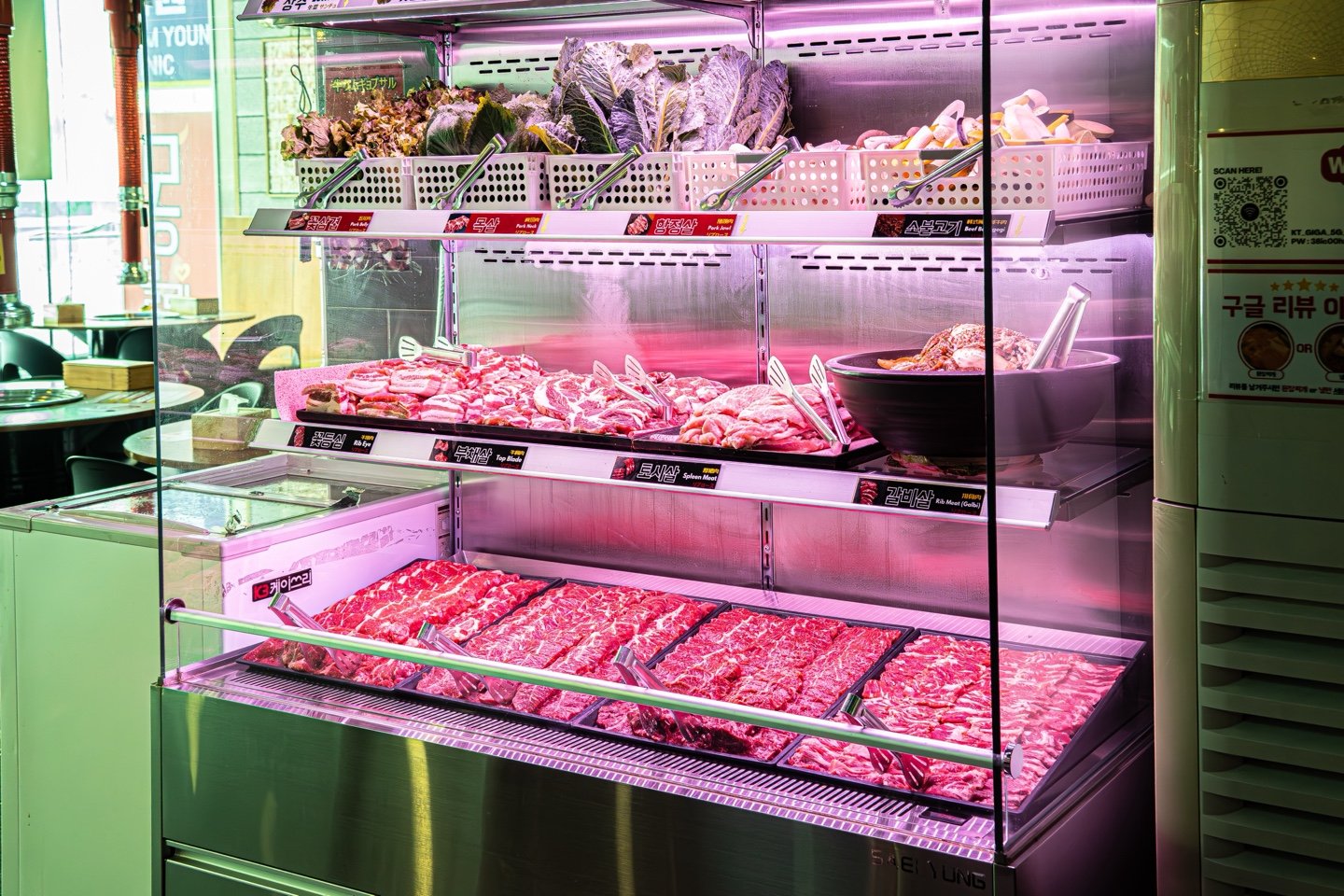
If you are visiting South Korea for the first time, trying Korean BBQ in Seoul is almost guaranteed to be on your list. It is one of the most searched food experiences in the country, and for good reason. The combination of grilled meat, endless side dishes, and interactive dining creates something that feels uniquely Korean. Yet despite its popularity, many travelers sit down at a Korean BBQ restaurant unsure of what to order, how much to order, or even how the meal is supposed to flow.
This guide explains everything you should know before ordering Korean BBQ in Seoul. Whether you are searching for the best Korean BBQ in Myeongdong, wondering how Korean BBQ pricing works, or simply trying to avoid tourist mistakes, this article will help you approach your meal with confidence.
What Is Korean BBQ?
Korean BBQ, known locally as “gogi-gui,” literally means grilled meat. Unlike Western barbecue traditions that rely on slow smoking or large pre-cooked portions, Korean BBQ centers around table grilling. Raw cuts of meat are brought to your table, and they are cooked directly over a gas or charcoal grill built into the table itself.
The experience is interactive and social. You are not just eating; you are participating in the cooking process. The grill becomes the centerpiece of the table, and conversation, pacing, and sharing all revolve around it. This style of dining is one of the reasons Korean BBQ in Seoul is such a memorable experience for visitors.
Types of Korean BBQ Restaurants in Seoul
Not all Korean BBQ restaurants are the same. Understanding the differences before you order will help you choose the right place and the right menu.
Pork Korean BBQ
Pork is extremely popular in Korea and often more affordable than beef. Common cuts include samgyeopsal (pork belly) and moksal (pork neck). Pork belly is thick, rich, and satisfying, while pork neck offers a slightly leaner texture with deep flavor. These cuts are easy to grill and ideal for first-time diners.
Beef Korean BBQ
Beef BBQ tends to cost more, but many travelers prefer it for its tenderness and marinated options. Galbi (marinated short ribs) and chadolbagi (thin brisket) are among the most common choices. Beef cooks quickly, especially thin cuts, so paying attention to timing is important.
Hanwoo Premium Beef
Hanwoo is Korea’s native cattle breed and is considered premium. Restaurants specializing in Hanwoo typically charge higher prices, and the focus shifts more toward meat quality and less toward volume. If you are searching for high-end Korean BBQ in Seoul, Hanwoo restaurants are often what you will find.
How Korean BBQ Pricing Works
One of the biggest points of confusion for tourists is pricing. When searching “how much does Korean BBQ cost in Seoul,” the answer depends on several factors.
Some restaurants offer all-you-can-eat options for a fixed price per person. Others operate on a per-portion system, where each serving is priced by weight, often 150g or 200g. A common mistake is assuming one portion is enough for two adults. In reality, most tables order multiple portions, especially if sharing among friends.
In central tourist areas such as Myeongdong, pricing may be slightly higher than in residential neighborhoods. However, location convenience, English-friendly menus, and accessibility often justify the difference. Expect pork BBQ to be more budget-friendly, while beef and Hanwoo command higher prices.
Understanding Banchan: The Side Dishes
Every Korean BBQ meal includes banchan, the small side dishes placed around the table. These typically include kimchi, pickled vegetables, dipping sauces, garlic, and sometimes fresh greens.
These side dishes are included in your meal and are usually refillable. You do not need to order them separately. They are not decorative; they are essential. The balance of grilled meat with fermented and fresh vegetables is what makes Korean BBQ feel complete.
When searching for authentic Korean BBQ in Seoul, the quality and variety of banchan can be a subtle indicator of how well a restaurant understands tradition.
How to Eat Korean BBQ Properly
Eating Korean BBQ is simple once you understand the rhythm. After grilling the meat, you place a piece onto a lettuce leaf, add a small amount of ssamjang (a savory soybean paste), perhaps some garlic or kimchi, then wrap it tightly and eat it in one bite. This wrap is called ssam.
The idea is balance. The richness of pork belly is offset by crisp lettuce and fermented vegetables. The sauce adds saltiness, and garlic adds sharpness. Each bite should feel layered rather than heavy.
It may seem large, but biting into it halfway is discouraged. Korean BBQ wraps are meant to be eaten whole to experience the full combination at once.
Who Grills the Meat?
Depending on the restaurant, either the staff will grill the meat for you or you will grill it yourself. In more service-focused establishments, staff manage the grill entirely to ensure perfect timing. If they are cooking for you, it is best to let them handle the process.
If you are grilling yourself, keep it straightforward. Allow one side of the meat to brown before flipping. Avoid constant turning, which prevents proper searing. Pork belly is typically cut into bite-sized pieces after being flipped. Overcooking is the most common mistake and results in dry texture.
When researching the best Korean BBQ in Seoul, many reviews mention attentive grilling service as a highlight.
Best Areas to Try Korean BBQ in Seoul
When searching for Korean BBQ near me in Seoul, location matters. Popular districts include Myeongdong, Hongdae, Gangnam, and Jongno.
Myeongdong is particularly convenient for tourists due to its central location, subway access, and proximity to hotels. Hongdae offers a youthful, nightlife-driven atmosphere. Gangnam provides a more polished dining environment, often with premium meat options.
Choosing a restaurant near your accommodation reduces travel fatigue, especially after a long day of sightseeing.
Common Mistakes Tourists Make
Understanding a few common errors can dramatically improve your experience. Many visitors under-order, thinking one portion will suffice. Others over-order at once, crowding the grill and overwhelming the table.
Some hesitate to ask questions about cuts or cooking times. Staff are generally accustomed to assisting foreign guests, particularly in tourist-heavy districts.
Another mistake is ignoring pacing. Korean BBQ is not meant to be rushed. The experience improves when you cook gradually and enjoy conversation between bites.
When Is the Best Time to Eat Korean BBQ?
Dinner hours between 6 PM and 8 PM are peak time in Seoul. If you want to avoid long waits, consider arriving earlier or later. Late-night Korean BBQ is common in busy districts, especially after shopping or events.
If you search for late-night Korean BBQ in Seoul, you will find many options in central neighborhoods where restaurants operate into the evening.
Is Korean BBQ Suitable for Solo Travelers?
Traditionally, Korean BBQ is a communal dining style, and some restaurants require a minimum order for two people. However, policies vary. Visiting during lunch hours or selecting restaurants known for flexibility increases your chances of solo dining comfortably.
If you are traveling alone and want to try Korean BBQ in Seoul, it is wise to check in advance.
Cultural Etiquette at Korean BBQ
Korean dining culture emphasizes sharing and respect. It is polite to allow everyone at the table access to the grill. If drinking soju or beer, it is customary to pour for others before yourself. Avoid wasting food, particularly in all-you-can-eat establishments where leftover charges may apply.
Small gestures of awareness show respect for the dining culture.
FAQ About Korean BBQ in Seoul
What is the best Korean BBQ for first-time visitors?
Pork belly and pork neck are beginner-friendly choices. They are widely available and easy to cook.
How much does Korean BBQ cost in Seoul?
Costs vary depending on meat type and location, but pork is generally more affordable than beef, and Hanwoo is premium-priced.
Are side dishes free at Korean BBQ restaurants?
Yes, banchan are included and typically refillable.
Do I have to grill the meat myself?
Some restaurants grill for you, while others allow self-grilling. Staff usually guide you if needed.
Is Korean BBQ expensive in tourist areas?
Prices may be slightly higher in areas like Myeongdong, but convenience and accessibility often justify the cost.
What is the difference between Korean BBQ and Japanese yakiniku?
Korean BBQ emphasizes wraps, side dishes, and communal dining, while yakiniku focuses more directly on meat and dipping sauces.
Final Thoughts on Ordering Korean BBQ in Seoul
Trying Korean BBQ in Seoul is more than just eating grilled meat. It is a cultural experience rooted in sharing, balance, and pacing. Understanding how menus work, how portions are structured, and how to eat properly ensures you do not walk away confused or disappointed.
When you approach Korean BBQ informed, you order confidently, grill properly, and enjoy every bite. Whether you are dining in Myeongdong, Hongdae, or Gangnam, preparation transforms a simple meal into a highlight of your Seoul trip.
Eat slowly. Share generously. Grill carefully. That is how Korean BBQ in Seoul should be done.
Visit Us Now!
Mongvely Main Branch
Address: Myeongdong 8na-gil 9 3rd Floor
Opening Hours: 11:30 a.m. to 2:00 a.m.
Mongvely 2nd Branch
Address: Myeongdong 3-gil 44 2nd Floor
Opening Hours: 11:30 a.m. to 2:00 a.m.
Plan your visit → Book a Table
