

What Is Bulgogi? A Guide to Korea’s Sweet and Savory BBQ Beef
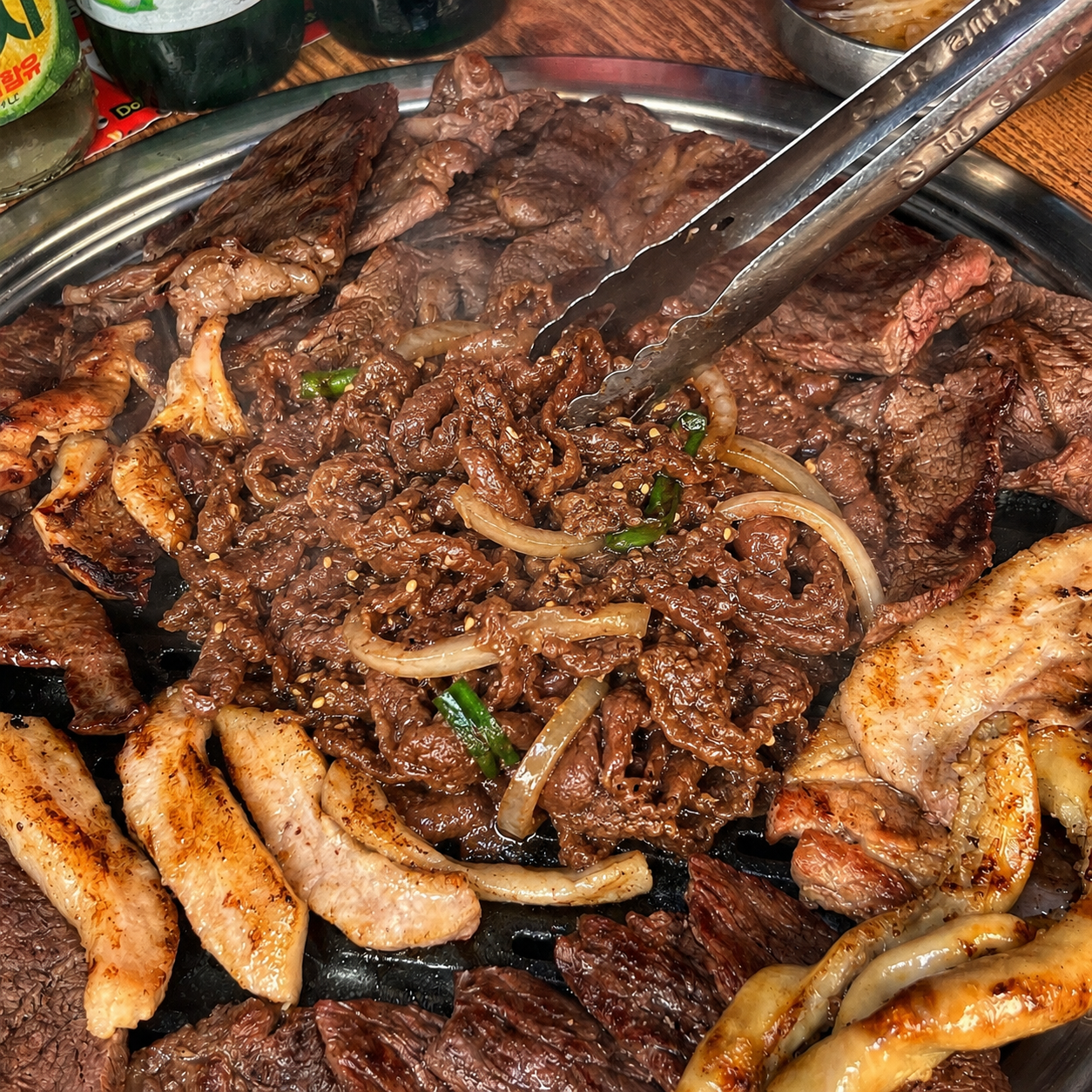
If you are visiting Korea for the first time, there are a few Korean foods you will probably hear about before you even arrive: kimchi, bibimbap, samgyeopsal, Korean fried chicken, and bulgogi.
Among them, bulgogi is one of the easiest Korean dishes for tourists to enjoy. It is sweet, savory, tender, and familiar enough for first-time visitors, but still deeply connected to Korean food culture. If you are unsure what to order at a Korean BBQ restaurant, bulgogi is one of the safest and most satisfying choices.
So, what exactly is bulgogi?
Bulgogi is Korean marinated beef, usually sliced thinly and seasoned with a sweet and savory sauce made with ingredients such as soy sauce, garlic, sugar, sesame oil, onion, and sometimes pear or fruit for tenderness. The name “bulgogi” comes from Korean words meaning “fire meat,” referring to meat cooked over heat.
For many tourists, bulgogi is a perfect introduction to Korean BBQ because it is flavorful without being too spicy. It has the richness of beef, the sweetness of marinade, and the comfort of grilled meat. It can be eaten with rice, wrapped in lettuce, enjoyed with banchan, or shared at the table as part of a Korean BBQ meal.
At Mongvely, guests can enjoy Korean BBQ in Myeongdong with both beef and pork options, making it a convenient place for travelers who want a proper Korean BBQ experience near Myeongdong Station. If you are shopping, sightseeing, staying in the area, or looking for your first Korean BBQ dinner in Seoul, understanding bulgogi will help you order with more confidence.
This guide explains what bulgogi is, what it tastes like, how it is eaten, how it differs from other Korean BBQ meats, and why it remains one of Korea’s most loved beef dishes.
READ ALSO :
➣ The Ultimate Guide to Korean BBQ in Seoul
What Is Bulgogi?
Bulgogi is one of Korea’s most famous beef dishes. It is usually made with thin slices of beef marinated in a sauce that is both sweet and savory. The marinade often includes soy sauce, garlic, sesame oil, sugar, onion, black pepper, and other ingredients that create a deep but approachable flavor.
One reason bulgogi is popular is that it is easy to eat. The beef is usually sliced thinly, so it cooks quickly and stays tender. The marinade gives it flavor before it even touches the grill or pan. Compared with some Korean dishes that may be spicy, fermented, or unfamiliar to tourists, bulgogi is usually mild and comfortable.
The taste is not plain, though. Good bulgogi has balance. It should be savory from soy sauce, slightly sweet from sugar or fruit, aromatic from garlic and sesame oil, and rich from the beef itself. The sweetness should not overpower the meat. It should support the flavor and make each bite more satisfying.
Bulgogi can be cooked in different ways. It may be grilled, stir-fried, cooked on a hot plate, or served in a BBQ restaurant setting. In Korean BBQ culture, bulgogi often appears as one of several meat options, especially for people who want beef with a flavorful marinade.
For tourists, bulgogi is a good starting point because it shows the sweet-savory side of Korean food without requiring a high spice tolerance. It is also a useful dish for groups because most people can enjoy it, even if they are new to Korean cuisine.
What Does Bulgogi Taste Like?
Bulgogi tastes sweet, savory, garlicky, and slightly smoky when grilled. The beef is usually tender because it is thinly sliced and marinated before cooking.
The main flavor comes from the marinade. Soy sauce gives saltiness and umami. Sugar or fruit gives sweetness. Garlic adds depth. Sesame oil gives a nutty aroma. Onion adds natural sweetness. Black pepper adds a little warmth.
The result is a beef dish that tastes rich but not heavy, flavorful but not too strong, and Korean but still approachable for international visitors.
If you have never tried Korean food before, bulgogi is one of the easiest dishes to like. It does not usually have the intense spice of some Korean stews or the sourness of fermented foods. Instead, it has a familiar grilled-beef quality with a Korean-style marinade.
This is why bulgogi often appears in Korean food introductions abroad. It is one of the dishes that helps people understand Korean flavors quickly. Sweet and savory balance is a major part of Korean cooking, and bulgogi shows that clearly.
At a Korean BBQ restaurant, bulgogi becomes even better when eaten with rice, lettuce wraps, kimchi, garlic, and other side dishes. The beef itself is flavorful, but the table experience makes it more complete.
Why Bulgogi Is So Popular in Korea
Bulgogi is popular because it works in many situations.
It can be eaten at home, in restaurants, at Korean BBQ meals, in lunch boxes, with rice, in wraps, or as part of a shared table. It is not limited to one type of dining experience. That flexibility has made it one of Korea’s most recognized beef dishes.
Another reason bulgogi is popular is that it is easy to share. Korean meals often focus on shared dishes, and bulgogi fits that culture well. A plate of bulgogi can be placed in the center of the table, eaten with rice, combined with side dishes, or wrapped in lettuce.
It is also popular because the flavor is balanced. Korean food can be spicy, salty, fermented, fresh, rich, or sweet depending on the dish. Bulgogi sits in a comfortable middle ground. It is flavorful enough to feel special but mild enough for many people.
For tourists, this makes bulgogi a strong first Korean BBQ dish. It gives you Korean flavor without overwhelming you. If you are traveling with people who are nervous about trying unfamiliar foods, bulgogi is usually a safe choice.
At Mongvely, this matters because many guests are tourists visiting Myeongdong for the first time. A Korean BBQ restaurant in Myeongdong needs to be easy to enjoy, especially for travelers who may not know what to order. Bulgogi-style beef and other BBQ options help make the experience more approachable.
Is Bulgogi Korean BBQ?
Yes, bulgogi can be part of Korean BBQ, but it is not the only type of Korean BBQ.
Korean BBQ is a broader dining style where meat is grilled and shared at the table. It can include beef, pork, chicken, marinated cuts, non-marinated cuts, premium cuts, and everyday favorites. Bulgogi is one type of Korean BBQ beef, usually known for its marinade.
This is important because tourists often use “Korean BBQ” as one general category. But when you sit down at a Korean BBQ restaurant, you may see many different meats on the menu: bulgogi, galbi, samgyeopsal, pork neck, brisket, rib meat, or other cuts.
Bulgogi is different because it is usually thinly sliced and marinated. Some Korean BBQ cuts are not marinated, allowing the natural taste of the meat to stand out. Bulgogi, on the other hand, is about the combination of beef and marinade.
So, if you are asking whether bulgogi is Korean BBQ, the answer is yes — but it is specifically a sweet and savory marinated beef style within the larger Korean BBQ culture.
At Mongvely, guests can enjoy a broader Korean BBQ experience with beef and pork, which is useful for tourists who want to try more than one type of meat in one meal.
Bulgogi vs Galbi: What Is the Difference?
Bulgogi and galbi are two famous Korean beef dishes, but they are not the same.
Bulgogi usually refers to thinly sliced marinated beef. It is tender, sweet, savory, and often cooked quickly. The marinade is a major part of the dish.
Galbi refers to ribs, usually beef short ribs, although pork galbi also exists. Galbi can be marinated or non-marinated depending on the style. It often has a richer, meatier texture because it comes from the rib area.
For tourists, the easiest way to think about it is this:
Bulgogi is usually thinner, softer, sweeter, and easier to eat.
Galbi is usually more substantial, meatier, and often considered more premium depending on the restaurant.
Both are popular. The better choice depends on what you want. If you are new to Korean BBQ and want something gentle and flavorful, bulgogi is a good start. If you want a more premium beef BBQ feeling, galbi may be more appealing.
A good Korean BBQ meal can include both styles, especially if you are sharing with a group.
➣ READ ALSO : LA Galbi vs Galbi: What Is the Difference?
Bulgogi vs Samgyeopsal: Beef BBQ or Pork BBQ?
Bulgogi and samgyeopsal are both major Korean BBQ foods, but they give very different experiences.
Bulgogi is marinated beef. It is sweet, savory, tender, and usually mild. It is a good choice for tourists who want Korean beef BBQ without strong spice.
Samgyeopsal is pork belly. It is usually not heavily marinated and is grilled for its rich pork flavor. It is commonly eaten with lettuce wraps, garlic, ssamjang, kimchi, and side dishes.
Bulgogi feels softer and more marinade-focused. Samgyeopsal feels richer, smokier, and more casual. Bulgogi is often easier for first-time visitors. Samgyeopsal is one of the most classic everyday Korean BBQ experiences.
Which should tourists try first?
If you like beef and prefer sweet-savory flavors, start with bulgogi.
If you want the classic Korean pork BBQ experience, try samgyeopsal.
If you are dining with a group, the best answer is to try both beef and pork. That is one reason Mongvely works well for tourists in Myeongdong. Since it offers both beef and pork BBQ options, guests do not have to choose only one style.
➣ READ ALSO : Why Pork Belly Is the Most Popular Korean BBQ Meat
How to Eat Bulgogi
Bulgogi can be eaten in several ways, and that is part of its appeal.
The simplest way is with rice. Bulgogi and rice are a classic combination because the rice absorbs the sweet and savory marinade. If you are new to Korean food, this is the easiest way to enjoy it.
Another way is with banchan, or Korean side dishes. Kimchi, pickled vegetables, seasoned greens, garlic, and sauces all help balance the beef. Bulgogi is already flavorful, but side dishes add freshness and contrast.
You can also eat bulgogi in a lettuce wrap. This is similar to how many Korean BBQ meats are eaten. Take a lettuce leaf, add a piece of bulgogi, a little sauce, garlic or kimchi if you like, fold it, and eat it in one bite.
Because bulgogi is already marinated, you do not need to add too much extra sauce. The flavor is already there. The side dishes should support the beef, not cover it.
For tourists, the best approach is to try a few different bites:
First, eat bulgogi by itself.
Then eat it with rice.
Then try it with kimchi.
Then make a small lettuce wrap.
This helps you understand how Korean BBQ changes depending on what you combine with the meat.
What to Eat With Bulgogi
Bulgogi works well with many Korean side dishes and table items.
Rice is the most classic pairing. The sweet and savory marinade tastes especially good with plain rice.
Kimchi adds spice, acidity, and fermented flavor. It balances the sweetness of bulgogi.
Lettuce or perilla leaves can be used to make wraps. Lettuce gives freshness, while perilla adds a stronger herbal flavor.
Garlic adds sharpness and depth. Grilled garlic is softer and sweeter than raw garlic.
Ssamjang can be used in small amounts, though bulgogi already has a strong marinade. Do not overdo it.
Pickled vegetables help refresh your mouth between bites.
Soup or stew can make the meal feel more complete, depending on what is available.
Korean drinks, such as soju or beer, are common with BBQ meals, though alcohol is optional.
The key is balance. Bulgogi is sweet and savory, so you want side dishes that add freshness, spice, acidity, or crunch. That is why Korean BBQ tables feel full of small dishes. They are not there just to look nice. They help complete the meal.
Why Bulgogi Is Good for First-Time Visitors
Bulgogi is one of the best Korean dishes for first-time visitors because it is easy to like.
It is not usually spicy. It uses beef, which many tourists already enjoy. The flavor is sweet and savory, which feels familiar but still Korean. The texture is tender. The dish works well with rice, wraps, and side dishes.
If you are worried about ordering something too strong, too spicy, or too unfamiliar, bulgogi is a smart choice.
It is also good for mixed groups. When traveling, not everyone has the same food preferences. Some people want adventurous dishes, while others want something safer. Bulgogi usually satisfies both sides because it is Korean but approachable.
For families, bulgogi is especially useful because younger or less adventurous eaters often enjoy it. For couples and friend groups, it works well as part of a shared Korean BBQ meal.
At Mongvely, tourists can enjoy Korean BBQ in a convenient Myeongdong location, which makes it easier to try beef and pork BBQ without leaving the area.
Bulgogi and Banchan: Why Side Dishes Matter
Banchan are Korean side dishes, and they are important when eating bulgogi.
Tourists sometimes think side dishes are just extras, but in Korean dining, they are part of the meal. They help balance flavor and create variety.
Bulgogi is sweet and savory, so banchan with sourness, spice, or freshness are especially useful. Kimchi cuts through the sweetness. Pickled vegetables refresh the mouth. Lettuce makes each bite lighter. Garlic adds depth. Rice gives balance.
The best Korean BBQ meals are not one-note. They are built from many small combinations. Bulgogi may be the main dish, but banchan make the table feel complete.
This is one reason Korean BBQ is such a memorable experience for tourists. The table looks abundant, and every bite can be different.
When eating bulgogi at a Korean BBQ restaurant, do not ignore the side dishes. Try them slowly. Use them with the beef. Add them to wraps. Eat them between bites.
That is how the meal is meant to work.
Bulgogi and Ssam: Can You Wrap Bulgogi?
Yes, you can eat bulgogi in ssam, or Korean lettuce wraps.
Ssam means wrap. In Korean BBQ, ssam usually means wrapping meat in lettuce or perilla leaves with sauce, garlic, kimchi, or other side dishes.
Because bulgogi is already marinated, it does not need too many extra ingredients. A simple bulgogi wrap could include lettuce, bulgogi, a little garlic, and kimchi. You can add ssamjang if you want, but use a small amount because the meat already has flavor.
The most important rule is to keep the wrap small enough to eat in one bite. Tourists often make wraps too large, which makes them messy and hard to eat. A good ssam should be balanced and easy to eat.
Eating bulgogi in wraps gives the dish a fresher taste. The lettuce balances the marinade, and the side dishes make the beef more interesting.
If you are new to Korean BBQ, trying bulgogi both with rice and in ssam is a good way to experience the dish properly.
Bulgogi and Korean BBQ Culture
Bulgogi is not just a dish. It is part of Korean BBQ culture.
Korean BBQ is built around sharing. The table is communal. The meat is shared. The side dishes are shared. People talk, cook, eat, and drink together.
Bulgogi fits this culture because it is easy to share and easy to enjoy with different side dishes. It can be part of a larger BBQ meal with other meats, or it can be the main beef dish at the table.
For tourists, this social aspect is one of the best parts of Korean BBQ. You are not just ordering food and waiting. You are participating in the meal. You are trying combinations, passing side dishes, sharing meat, and eating at the same pace as your group.
This is why Korean BBQ is such a popular dinner for travelers in Seoul. It feels like an experience, not just a meal.
Mongvely is a good option for tourists who want this kind of experience in Myeongdong because it offers Korean BBQ in a convenient area for shopping, sightseeing, hotels, and first-time Seoul visitors.
Where to Eat Bulgogi in Myeongdong
Myeongdong is one of the most convenient areas to eat Korean BBQ because it is already part of many tourist routes. Visitors come for shopping, skincare stores, street food, hotels, Myeongdong Cathedral, and access to nearby attractions like Namsan Seoul Tower.
After walking around Myeongdong, bulgogi and Korean BBQ make a strong dinner choice. Street food is fun, but it is usually better as a snack than a full meal. A sit-down Korean BBQ dinner gives you time to rest and enjoy a proper Korean food experience.
Mongvely is located close to Myeongdong Station and is a convenient Korean BBQ restaurant for tourists who want beef and pork options in the area. If you are new to Korean BBQ, Mongvely gives you the chance to try different styles of grilled meat without making the meal too complicated.
For tourists searching for Korean beef BBQ in Myeongdong, bulgogi is a useful dish to understand because it is one of the most recognizable Korean marinated beef options.
Whether it is your first night in Seoul, a dinner after shopping, or a meal before heading back to your hotel, Mongvely fits naturally into a Myeongdong food plan.
Common Mistakes Tourists Make With Bulgogi
The first mistake is thinking bulgogi is spicy. Bulgogi is usually not spicy. It is more sweet and savory than hot.
The second mistake is thinking all Korean BBQ tastes the same. Bulgogi is different from samgyeopsal, galbi, brisket, and other BBQ meats. Its marinade gives it a distinct flavor.
The third mistake is adding too much sauce. Bulgogi already has a marinade, so extra sauce should be used lightly.
The fourth mistake is ignoring banchan. Side dishes help balance the sweetness and richness of the beef.
The fifth mistake is not trying bulgogi with rice or wraps. Bulgogi tastes good alone, but it becomes better when eaten with rice, lettuce, kimchi, garlic, and side dishes.
The sixth mistake is choosing only the cheapest BBQ option without checking what is included. Good Korean BBQ is about quality, side dishes, service, location, and the full table experience.
If you avoid these mistakes, bulgogi becomes much easier to enjoy.
Is Bulgogi Healthy?
Bulgogi can be part of a balanced meal, but it depends on portion size and what you eat with it.
The beef provides protein, while side dishes and lettuce wraps add vegetables and freshness. However, the marinade can include sugar and sodium, and the meal can become heavier if you eat a large amount of meat, rice, alcohol, and extra sides.
For tourists, there is no need to overthink it. Bulgogi is a travel meal and a cultural food experience. Enjoy it properly, but balance the meal with vegetables, banchan, water, and reasonable portions.
If you want a lighter meal, use lettuce wraps, eat slowly, and enjoy side dishes between bites. If you are very hungry after sightseeing or shopping, bulgogi with rice can be satisfying and filling.
Like most BBQ meals, the experience is best when you eat at a steady pace instead of rushing.
Why Bulgogi Belongs on Your Seoul Food List
Bulgogi belongs on your Seoul food list because it is one of the clearest examples of Korean sweet and savory flavor.
It is approachable for beginners, loved by many locals, easy to share, and flexible enough to eat in different ways. It also helps tourists understand Korean BBQ beyond just “grilled meat.”
When you eat bulgogi, you experience several parts of Korean food culture at once: marinade, grilling, rice, banchan, ssam, and shared dining. That makes it more meaningful than simply ordering a beef dish.
If you are visiting Myeongdong and want a Korean BBQ meal that is easy to enjoy, Mongvely is a strong option. Its location near Myeongdong Station makes it convenient after shopping, sightseeing, or returning from nearby attractions.
For first-time visitors, bulgogi is a smart place to start. It is flavorful, comfortable, and connected to Korean BBQ culture.
Final Thoughts: Why Bulgogi Is a Must-Try Korean Beef Dish
Bulgogi is one of Korea’s most famous dishes for a reason. It is sweet, savory, tender, and easy to enjoy. But it is not just popular because it tastes good. It also shows how Korean food balances flavor, texture, sharing, and side dishes.
The beef is marinated for depth. The rice balances the sauce. The banchan add freshness and contrast. The lettuce wraps make each bite lighter. The shared table turns the meal into a social experience.
For tourists, bulgogi is one of the best ways to begin exploring Korean BBQ. It is familiar enough to feel comfortable but Korean enough to feel memorable.
If you are looking for bulgogi or Korean beef BBQ in Myeongdong, Mongvely offers a convenient place to enjoy Korean BBQ near Myeongdong Station. Whether you are shopping, sightseeing, staying nearby, or trying Korean BBQ for the first time, Mongvely gives you a tourist-friendly way to experience beef and pork BBQ in the heart of Seoul.
Bulgogi is more than sweet marinated beef. It is one of the easiest ways to understand why Korean BBQ is loved around the world.
FAQ: Bulgogi and Korean BBQ
What is bulgogi?
Bulgogi is Korean marinated beef. It is usually thinly sliced and seasoned with a sweet and savory marinade made with ingredients such as soy sauce, garlic, sesame oil, sugar, onion, and sometimes fruit.
What does bulgogi taste like?
Bulgogi tastes sweet, savory, garlicky, and rich. It is usually mild rather than spicy, which makes it easy for first-time visitors to enjoy.
Is bulgogi spicy?
No, bulgogi is usually not spicy. It is more sweet and savory than hot. This makes it a good choice for tourists who are not used to spicy Korean food.
Is bulgogi Korean BBQ?
Yes, bulgogi can be part of Korean BBQ. It is one type of Korean BBQ beef, known for its sweet and savory marinade.
What meat is used for bulgogi?
Bulgogi is usually made with thinly sliced beef. Different cuts may be used depending on the restaurant, but the key feature is the marinade and thin slicing.
What do you eat with bulgogi?
Bulgogi is commonly eaten with rice, kimchi, banchan, lettuce wraps, garlic, and sauces. It can be enjoyed alone, with rice, or inside ssam wraps.
What is the difference between bulgogi and galbi?
Bulgogi is usually thinly sliced marinated beef, while galbi refers to ribs, often beef short ribs. Galbi is usually meatier and may feel more premium, while bulgogi is softer, sweeter, and easier for beginners.
What is the difference between bulgogi and samgyeopsal?
Bulgogi is marinated beef, while samgyeopsal is grilled pork belly. Bulgogi is sweet and savory, while samgyeopsal is richer, fattier, and usually eaten with lettuce wraps, garlic, ssamjang, and kimchi.
Is bulgogi good for first-time visitors to Korea?
Yes. Bulgogi is one of the best Korean dishes for first-time visitors because it is flavorful, mild, tender, and easy to enjoy with rice or side dishes.
Where can I eat bulgogi in Myeongdong?
Tourists looking for Korean beef BBQ in Myeongdong can visit Mongvely, a Korean BBQ restaurant near Myeongdong Station offering beef and pork BBQ options in a convenient location for shopping, sightseeing, and first-time Seoul visitors.
Visit Us Now!
Mongvely Main Branch
Address: Myeongdong 8na-gil 9 3rd Floor
Opening Hours: 11:30 a.m. to 2:00 a.m.
Mongvely 2nd Branch
Address: Myeongdong 3-gil 44 2nd Floor
Opening Hours: 11:30 a.m. to 2:00 a.m.
Plan your visit → Book a Table
Follow us on Instagram → @kbbqmongvely
