

What Is Makgeolli? A Guide to Korea’s Traditional Rice Wine and What to Eat With It
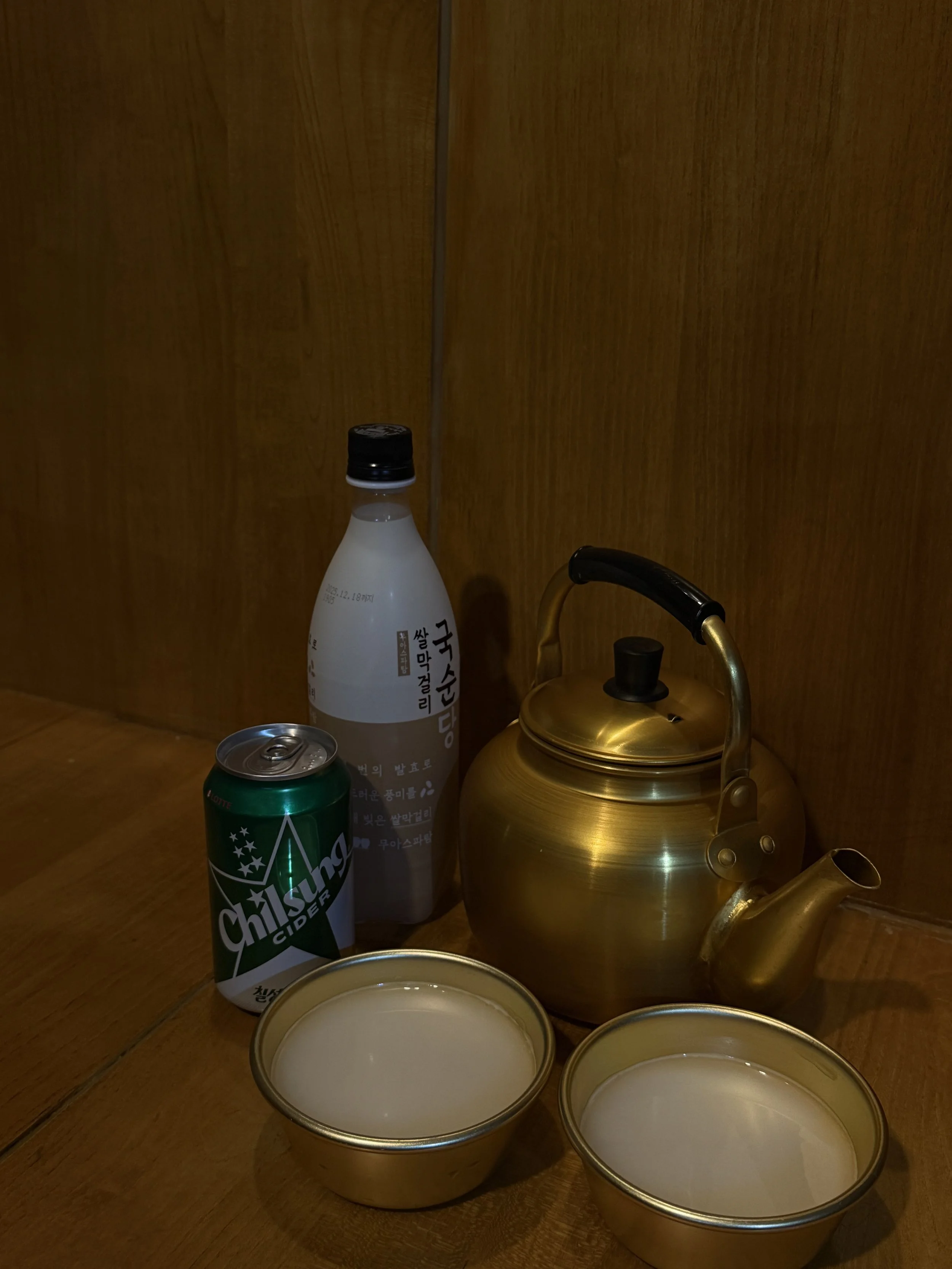
Makgeolli is one of Korea’s most traditional alcoholic drinks, but for many tourists, it is still less familiar than soju. Most visitors recognize the green soju bottle immediately, especially from Korean dramas and BBQ restaurants, but makgeolli often feels more mysterious. It looks milky, comes in larger bottles or bowls, has a soft cloudy texture, and tastes very different from the clear spirits many travelers expect when they think of Korean alcohol.
At Mongvely in Myeongdong, we meet many guests who are curious about Korean dining culture beyond grilled meat. They want to know what banchan is, how to make lettuce wraps, what ssamjang does, why Koreans drink soju with BBQ, and what makgeolli is. Makgeolli is part of that larger story. It is not only a drink. It is connected to Korean farming history, fermentation, rainy-day food culture, taverns, regional breweries, and the way Koreans enjoy food together.
This guide explains what makgeolli is, how it is made, what it tastes like, how Koreans usually drink it, how it compares with soju, and what foods pair best with it. It is written for travelers who want a clear and practical understanding of Korean rice wine before trying it in Korea.
➣ READ ALSO : The Ultimate Guide to Korean BBQ in Seoul
What Is Makgeolli?
Makgeolli is a traditional Korean rice wine. It is usually milky white, lightly sparkling, slightly sweet, slightly sour, and lower in alcohol than many spirits. Unlike clear distilled liquors, makgeolli is unrefined, which gives it its cloudy appearance and soft texture.
The Korean word is written as 막걸리. It is often translated as “Korean rice wine,” but that translation only gives part of the picture. Makgeolli is made through fermentation, usually with rice, water, and nuruk, a traditional Korean fermentation starter. Nuruk contains microorganisms that help convert starch into sugars and support fermentation.
Because makgeolli is not filtered until completely clear, it keeps some of the rice sediment and fermentation character. This is why it looks cloudy and feels fuller than many other alcoholic drinks.
Makgeolli is often served cold and gently mixed before drinking because the sediment naturally settles at the bottom. It can be poured into bowls, cups, or glasses, depending on the restaurant or setting.
What Does Makgeolli Taste Like?
Makgeolli has a very different flavor from soju. Classic makgeolli is usually mildly sweet, lightly sour, creamy, earthy, and gently fizzy. Some versions taste clean and refreshing, while others are thicker, richer, more acidic, or more grain-forward.
The taste depends on the ingredients, brewing method, fermentation time, region, and whether the makgeolli is mass-produced, local, fresh, pasteurized, or craft-style.
A simple way to describe makgeolli is:
Milky
Lightly sweet
Lightly sour
Softly carbonated
Creamy
Grainy
Refreshing
Fermented
Low to medium in alcohol
Some people compare makgeolli to a light rice beer or cloudy rice wine, but it has its own character. It is not as neutral as soju, not as sharp as vodka, not as grape-like as wine, and not as bitter as beer. It has a gentle, rustic, fermented taste that feels very Korean.
How Is Makgeolli Made?
Makgeolli is made by fermenting rice with water and nuruk. The process can vary by maker, but the basic idea is that steamed rice is mixed with water and the fermentation starter. Over time, fermentation creates alcohol, acidity, sweetness, and aroma.
After fermentation, the liquid is filtered, but not refined until completely clear. This is what separates makgeolli from clearer Korean alcohols such as cheongju. The result is a cloudy drink with rice sediment and a soft texture.
Traditional makgeolli can vary greatly from region to region. Some breweries use different rice varieties, different nuruk, different water, different fermentation temperatures, and different aging methods. This is why one bottle of makgeolli may taste light and sweet, while another may taste sour, dry, thick, or complex.
Modern makgeolli can also be flavored. You may see chestnut makgeolli, banana makgeolli, peach makgeolli, corn makgeolli, black bean makgeolli, or other regional and seasonal varieties. These can be fun, but classic rice makgeolli is the best place to start if you want to understand the drink properly.
Why Is Makgeolli Cloudy?
Makgeolli is cloudy because it is an unrefined fermented drink. It still contains rice sediment and fermentation particles, which create its milky color and slightly thick texture.
This is also why you should usually shake or gently roll the bottle before pouring. If the bottle has been sitting for a while, the liquid at the top may look clearer and the sediment may collect at the bottom. Mixing it gives a more even taste and texture.
Be careful when opening makgeolli, especially fresh or carbonated versions. Because fermentation can create pressure, some bottles may foam if shaken too aggressively. The safest method is to gently turn or roll the bottle, then open it slowly.
Is Makgeolli Strong?
Makgeolli is usually lower in alcohol than soju. Many common makgeolli products are around 6–8% alcohol, though the exact percentage depends on the brand and style.
This lower alcohol level makes makgeolli feel easier to drink for many people. However, it is still alcohol. Because it tastes smooth and sometimes sweet, it can be easy to drink too quickly. Tourists should still pace themselves, eat while drinking, and drink water.
Makgeolli is often enjoyed slowly with food, not treated like a quick shot. This is one reason it feels different from soju culture. Soju is usually poured into small glasses, while makgeolli is more often shared in cups or bowls over a longer meal.
Makgeolli vs Soju: What Is the Difference?
Makgeolli and soju are both Korean alcoholic drinks, but they are very different.
Soju is usually clear, stronger, smoother, and more neutral. It is commonly served in small glasses and paired with many Korean foods, especially grilled meat, spicy dishes, fried chicken, and late-night meals.
Makgeolli is cloudy, fermented, lower in alcohol, slightly fizzy, and more textured. It has a rice flavor and a mild sweet-sour taste. It is often associated with traditional Korean food, rainy days, jeon, taverns, casual gatherings, and regional breweries.
The simplest comparison is this:
Soju is clear, sharper, and usually stronger.
Makgeolli is milky, softer, lightly fizzy, and usually lower in alcohol.
Both drinks can be enjoyed with Korean food, but they create different moods. Soju feels more common at Korean BBQ and nightlife settings. Makgeolli feels more rustic, traditional, and food-centered, especially with pancakes, fried foods, and comforting Korean dishes.
Why Is Makgeolli Connected to Rainy Days?
In Korea, makgeolli is famously associated with rainy days, especially when paired with jeon, Korean savory pancakes. Many Koreans say the sound of rain reminds them of the sizzling sound of jeon frying in oil.
This pairing is not only about sound. Jeon is savory, oily, warm, and comforting. Makgeolli is cool, lightly sour, and refreshing. Together, they balance each other well. The drink cuts through the oiliness of the pancake, while the pancake gives makgeolli a rich food pairing.
Popular jeon pairings include pajeon, kimchi jeon, seafood pancake, potato pancake, mung bean pancake, and assorted pan-fried dishes.
For tourists, trying makgeolli and jeon on a rainy day is one of the easiest ways to understand Korean comfort food culture. It feels local without being difficult to enjoy.
What Foods Pair Best With Makgeolli?
Makgeolli pairs well with foods that are savory, oily, earthy, spicy, or comforting. Its slight acidity and soft carbonation help balance rich foods, while its rice flavor works naturally with Korean dishes.
Classic makgeolli pairings include:
Jeon (Korean pancake)
Bindaetteok
Bossam
Dubu kimchi
Fried foods
Spicy stir-fried dishes
Tofu dishes
Traditional Korean tavern foods
Korean BBQ side dishes
Makgeolli is not limited to pancakes. It can also pair with grilled meat, especially when the meal includes banchan, kimchi, garlic, pickled vegetables, and vegetables. However, because makgeolli has more body and flavor than soju, it should be paired thoughtfully. Very delicate beef cuts may be better with a cleaner drink, while richer pork, kimchi, garlic, and savory side dishes can work nicely.
Can You Drink Makgeolli With Korean BBQ?
Yes, makgeolli can be enjoyed with Korean BBQ, although soju is usually the more common pairing. Makgeolli works best when the BBQ meal includes rich pork, kimchi, garlic, ssamjang, lettuce wraps, and savory banchan.
At Mongvely in Myeongdong, Korean BBQ is built around grilled beef and pork, banchan, sauces, vegetables, lettuce wraps, and table grilling. When thinking about makgeolli with BBQ, the most important idea is balance. Makgeolli has a soft sweetness and mild acidity, so it can refresh the mouth between bites of grilled meat, especially when eaten with kimchi or pickled vegetables.
For first-time visitors, we would suggest trying makgeolli with a full Korean table rather than drinking it alone. Take a bite of grilled meat, add ssamjang, wrap it in lettuce, eat some kimchi or white kimchi, then sip makgeolli. This helps you understand how Korean food and drink are designed to work together.
How Do Koreans Usually Drink Makgeolli?
Makgeolli is usually served cold. In many casual Korean restaurants, it may come in a bottle and be poured into cups or small bowls. In traditional-style places, it may be served in a kettle with bowls, which gives it a more old-fashioned tavern feeling.
Before drinking, gently mix the bottle so the sediment is evenly distributed. Then pour slowly. If you are drinking with others, it is polite to pour for each other, similar to other Korean drinking customs.
Makgeolli is not usually consumed as shots. It is meant to be sipped and enjoyed with food. The atmosphere is often casual, relaxed, and shared.
What Are the Different Types of Makgeolli?
There are many types of makgeolli, and the category is much wider than many tourists expect.
Regular Makgeolli
This is the everyday style most people encounter first. It is usually affordable, lightly sweet, cloudy, and easy to drink.
Fresh Makgeolli
Fresh makgeolli may have a more active fermentation character and a shorter shelf life. It can taste livelier, more carbonated, and more complex.
Pasteurized Makgeolli
Pasteurized makgeolli is heat-treated for longer shelf life. It may be more stable and easier to distribute, but it can taste less lively than fresh versions.
Regional Makgeolli
Many regions in Korea have their own makgeolli styles. Regional differences can come from local rice, water, brewing methods, and brewery traditions.
Flavored Makgeolli
Flavored makgeolli includes versions made with fruits, nuts, grains, or other ingredients. Chestnut makgeolli is one of the more familiar examples, but there are many modern variations.
Premium or Craft Makgeolli
Craft makgeolli has become more popular as younger drinkers and traditional alcohol makers bring new attention to Korean local liquor. These versions may use better rice, traditional nuruk, careful fermentation, and more complex flavor profiles.
Is Makgeolli Sweet?
Makgeolli can be sweet, but not all makgeolli is equally sweet. Some mass-market versions are noticeably sweet and easy to drink. Traditional or craft versions may be drier, more acidic, or more complex.
This is one reason people should try more than one style before deciding whether they like makgeolli. If your first bottle tastes too sweet, you may prefer a drier craft version. If your first bottle tastes too sour or strong, you may prefer a smoother commercial version.
Makgeolli is a category, not a single flavor.
Is Makgeolli Healthy?
Makgeolli is sometimes discussed as a traditional fermented drink, and it may contain rice sediment and fermentation byproducts. However, it is still alcohol, so it should not be treated as a health drink.
The better way to think about makgeolli is as a cultural and culinary drink. It can be enjoyed responsibly with food, but the alcohol content still matters. Drink slowly, eat properly, and avoid drinking too much just because it tastes mild.
For tourists, the safest approach is simple: enjoy makgeolli as part of a meal, not as something to overconsume.
Is Makgeolli Vegan or Gluten-Free?
Makgeolli is often made from rice, water, and nuruk, but that does not automatically mean every product is vegan or gluten-free. Some versions may include wheat-based nuruk, additives, flavorings, or other ingredients.
If you have dietary restrictions, allergies, or gluten sensitivity, check the label carefully or ask the restaurant. This is especially important with flavored or commercial makgeolli.
How to Try Makgeolli for the First Time
If you are trying makgeolli for the first time in Korea, start with a classic pairing. The easiest choice is makgeolli with pajeon or kimchi jeon, especially on a rainy day.
If you are eating Korean BBQ, try makgeolli as part of the full meal rather than on its own. Pair it with grilled pork, kimchi, lettuce wraps, garlic, and banchan. Drink slowly and compare how it feels with different bites.
Do not judge makgeolli only by one bottle. The difference between cheap, fresh, craft, sweet, sour, and regional makgeolli can be large.
Where to Try Makgeolli in Seoul
In Seoul, makgeolli can be found in traditional taverns, Korean pancake restaurants, some BBQ restaurants, markets, and modern Korean alcohol bars. Areas like Jongno, Insadong, Euljiro, and traditional market neighborhoods often have places where makgeolli feels especially natural.
If your travel base is Myeongdong, you can easily connect makgeolli culture with a broader Korean food day. For example, you might try makgeolli and jeon in a traditional area, then return to Myeongdong later for Korean BBQ, shopping, and a proper dinner.
At Mongvely, our focus is Korean BBQ rather than being a makgeolli bar, but we think understanding makgeolli helps visitors understand Korean cuisine better. Korean food culture is not only about one famous dish. It is about how rice, fermentation, grilled meat, side dishes, sauces, alcohol, and shared tables all connect.
Common Mistakes Tourists Make With Makgeolli
The first mistake is not mixing the bottle. If you pour makgeolli without gently mixing it, the first cup may taste thin and the last cup may be too thick.
The second mistake is drinking it too fast. Makgeolli is smooth and lower in alcohol than soju, but it can still affect you.
The third mistake is assuming all makgeolli tastes the same. Different brands and regions can taste very different.
The fourth mistake is pairing it only with random snacks. Makgeolli is much better with proper Korean food, especially jeon, tofu dishes, kimchi, pork, and savory shared plates.
Final Thoughts: What Is Makgeolli?
Makgeolli is Korea’s traditional unrefined rice wine. It is milky, lightly fizzy, slightly sweet, slightly sour, and deeply connected to Korean food culture. It is made through fermentation with rice, water, and nuruk, and it can range from simple everyday bottles to complex regional and craft brews.
For tourists, makgeolli is worth trying because it shows a different side of Korean drinking culture. Soju is sharp, clear, and common at BBQ tables. Makgeolli is softer, cloudier, more rustic, and strongly connected to traditional foods like jeon.
If you are visiting Seoul, try makgeolli with food. Try it with pajeon on a rainy day, or taste it alongside a Korean meal with kimchi, tofu, pork, or grilled meat. Pay attention to the texture, the light acidity, the rice flavor, and the way it changes with different dishes.
Korean cuisine is built on balance: grilled and fresh, spicy and mild, fermented and clean, rich and refreshing. Makgeolli fits into that balance beautifully.
At Mongvely in Myeongdong, we see Korean BBQ as one of the easiest ways for travelers to understand Korean food culture. Makgeolli is another part of that same story. It reminds us that Korean dining is not only about what is on the grill. It is also about fermentation, sharing, pairing, and the full table experience.
FAQ: What Is Makgeolli?
What is makgeolli?
Makgeolli is a traditional Korean rice wine made through fermentation. It is usually milky white, lightly fizzy, slightly sweet, slightly sour, and lower in alcohol than soju.
What is makgeolli made from?
Makgeolli is commonly made from rice, water, and nuruk, a Korean fermentation starter. Some versions may include other grains or flavorings.
What does makgeolli taste like?
Makgeolli usually tastes lightly sweet, slightly sour, creamy, grainy, and mildly sparkling. Some versions are sweeter, while others are drier or more acidic.
Is makgeolli strong?
Makgeolli is usually around 6–8% alcohol, though this can vary by product. It is generally lower in alcohol than soju.
Should you shake makgeolli before drinking?
You should gently mix or roll makgeolli before pouring because the sediment settles at the bottom. Do not shake too aggressively because some bottles may foam.
Is makgeolli served cold?
Yes. Makgeolli is usually served cold.
What food goes best with makgeolli?
Makgeolli pairs well with pajeon, kimchi pancake, seafood pancake, bindaetteok, tofu kimchi, bossam, fried foods, and savory Korean dishes.
Why do Koreans drink makgeolli on rainy days?
Makgeolli is strongly associated with rainy days because it pairs well with jeon, and many Koreans connect the sound of rain with the sizzling sound of pancakes frying.
Is makgeolli carbonated?
Many types of makgeolli have light natural carbonation or a gentle fizz. The level depends on the product and fermentation style.
Is makgeolli vegan?
Some makgeolli may be vegan, but not all products are guaranteed vegan. Check the label or ask the restaurant if this matters to you.
Is makgeolli gluten-free?
Not always. Some makgeolli may use wheat-based nuruk or contain other grains. Check the label if you need gluten-free alcohol.
Where can I try makgeolli in Seoul?
You can try makgeolli at traditional taverns, pancake restaurants, Korean food restaurants, markets, and some Korean alcohol bars in Seoul.
Is makgeolli good for first-time visitors to Korea?
Yes. Makgeolli is a good drink to try if you want to understand traditional Korean alcohol beyond soju.
How should beginners try makgeolli?
Start with classic makgeolli and pair it with pajeon, kimchi pancake, tofu kimchi, or Korean BBQ. Drink slowly and try it with food.
Can I buy makgeolli at convenience stores in Korea?
Yes. Many convenience stores and supermarkets in Korea sell makgeolli, though selection varies by location.
Is makgeolli a health drink?
No. Makgeolli is still alcohol. It should be enjoyed responsibly with food, not treated as a health drink.
Visit Us Now!
Mongvely Main Branch
Address: Myeongdong 8na-gil 9 3rd Floor
Opening Hours: 11:30 a.m. to 2:00 a.m.
Mongvely 2nd Branch
Address: Myeongdong 3-gil 44 2nd Floor
Opening Hours: 11:30 a.m. to 2:00 a.m.
Follow us on Instagram: @kbbqmongvely
