

What Is Soju? A Guide to Korea’s Most Famous Alcohol and How It Pairs With Korean BBQ
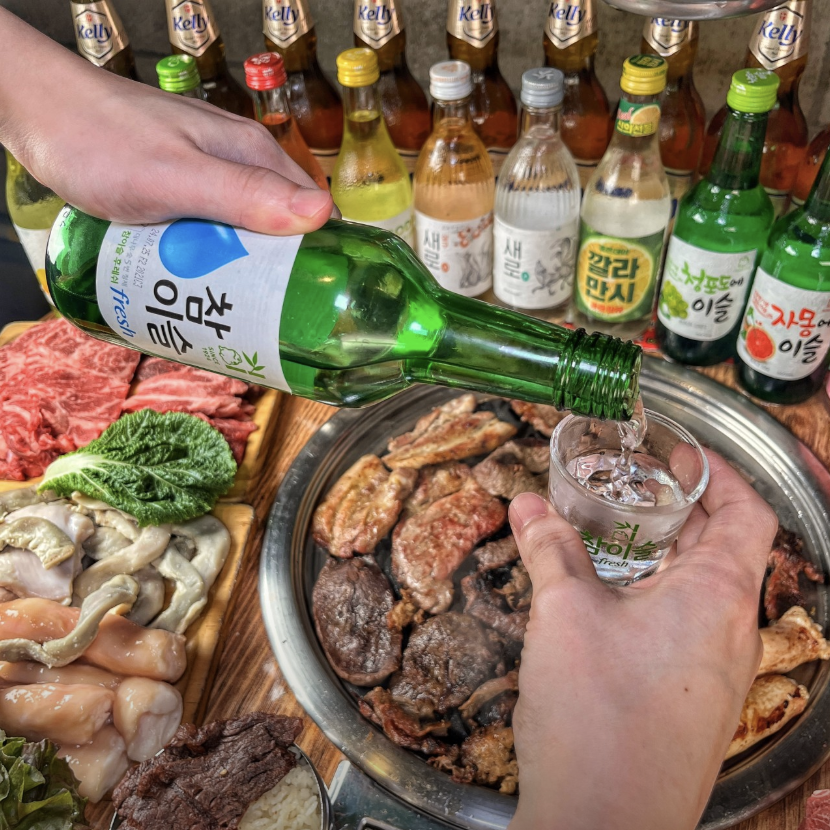
If you visit Korea, you will see soju everywhere. It appears in convenience stores, restaurants, Korean dramas, barbecue tables, late-night meals, company dinners, casual gatherings, and travel photos. For many visitors, the small green bottle is one of the most recognizable symbols of Korean food culture.
But soju is often misunderstood.
Some people think soju is simply “Korean vodka.” Others think all soju tastes the same. Some visitors only know fruit-flavored soju from overseas Korean restaurants. Others try it for the first time with Korean BBQ and wonder why it seems to fit so naturally with grilled meat, banchan, lettuce wraps, and a shared table.
Soju is more than a drink. It is connected to Korean dining culture, social etiquette, food pairing, modern nightlife, and traditional liquor history.
At Mongvely in Myeongdong, many travelers visit Korea for the first time and want to understand not only what Korean BBQ tastes like, but also how the full table works. That includes grilled beef and pork, banchan, sauces, lettuce wraps, rice, soup, noodles, and drinks. Soju is one of the most common drinks associated with Korean BBQ, so understanding it helps visitors understand the meal better.
This guide explains what soju is, what it is made from, how it tastes, how Koreans usually drink it, the difference between regular soju and traditional soju, and why it pairs so well with Korean BBQ.
➣ READ ALSO : The Ultimate Guide to Korean BBQ in Seoul
What Is Soju?
Soju is a Korean alcoholic drink. It is usually clear, served in small glasses, and commonly shared during meals. In modern Korea, it is one of the most familiar alcoholic drinks and is especially common at restaurants serving grilled meat, stews, fried chicken, seafood, and late-night food.
The word soju is written as 소주 in Korean. It is often described as a distilled liquor, though the type of soju most travelers see today is usually a lighter, more accessible commercial version rather than a strong traditional distilled spirit.
Soju can be drunk straight, mixed with beer as somaek, used in cocktails, or served alongside Korean food. The most common restaurant style is simple: chilled bottle, small glasses, shared at the table.
For visitors, the most important thing to know is this: soju is not usually treated as a luxury drink in everyday Korean dining. It is casual, social, affordable, and strongly connected to food.
What Does Soju Taste Like?
Classic soju is usually clean, slightly sweet, smooth, and neutral compared with many other spirits. It does not usually have the strong smoky flavor of whisky, the botanical flavor of gin, or the deep grape character of wine.
The taste depends on the brand, alcohol percentage, production style, and whether it is regular, premium, traditional, or flavored.
Most common green-bottle soju tastes:
Clean
Mildly sweet
Lightly sharp
Neutral
Smooth when chilled
Easy to pair with food
Traditional distilled soju can taste stronger, deeper, grainier, cleaner, and more complex. It often has a higher alcohol percentage and is usually meant to be sipped more slowly.
Flavored soju tastes sweeter and fruitier. Common flavors include peach, green grape, plum, grapefruit, and other fruit varieties. These versions are especially popular with people who prefer a softer, sweeter drink.
What Is Soju Made From?
Traditionally, soju was associated with grains such as rice, wheat, or barley. Traditional distilled soju is made through fermentation and distillation, and regional styles can have different ingredients, methods, and alcohol levels.
Modern commercial soju is often different. Many regular soju products are made by diluting distilled alcohol and adjusting the taste with water and other ingredients. This is why common soju is usually lighter, smoother, and easier to drink than traditional high-proof distilled soju.
This difference matters because not all soju belongs to the same category in terms of flavor or production. A regular green-bottle soju at a BBQ restaurant and a traditional Andong soju are both called soju, but the drinking experience can be very different.
Regular Soju vs Traditional Soju
One of the most useful ways to understand soju is to separate it into two broad categories: regular diluted soju and traditional distilled soju.
Regular Soju
Regular soju is the type most tourists see first. It is usually sold in green bottles and served chilled at restaurants. It is light, smooth, relatively affordable, and easy to drink with food.
This is the soju commonly ordered with Korean BBQ, fried chicken, spicy soup, seafood, and late-night meals.
Regular soju is popular because it is simple and flexible. It does not demand too much attention from the diner. It supports the meal rather than taking over the meal.
Traditional Distilled Soju
Traditional distilled soju is usually stronger and more complex. Andong Soju is one of the most famous examples. It is known as a traditional Korean distilled liquor, often with a much higher alcohol percentage than regular soju.
Traditional soju can feel closer to a craft spirit. It is usually more intense, more aromatic, and better suited for careful tasting. Instead of quickly drinking several glasses, people may sip it more slowly and pay attention to the aroma and finish.
Both styles have value. Regular soju belongs naturally at a busy Korean BBQ table. Traditional soju shows the deeper side of Korea’s liquor heritage.
Why Is Soju So Popular in Korea?
Soju became popular in Korea for several reasons.
First, it is easy to find. You can see it in restaurants, supermarkets, convenience stores, and bars.
Second, it is easy to pair with food. The clean and simple taste works with many Korean dishes, from grilled pork belly to spicy stew.
Third, it is social. Soju is usually shared. People pour for each other, refill glasses, and drink together. The bottle becomes part of the table conversation.
Fourth, it is flexible. Some people drink it straight. Some mix it with beer. Some choose fruit flavors. Some prefer premium or traditional versions.
Soju fits many different dining situations, which is why it appears so often in Korean food culture.
Basic Korean Soju Etiquette
Korean drinking etiquette is not only about alcohol. It reflects respect, age, hierarchy, and social connection.
For visitors, the safest basic rules are:
Pour for others instead of only yourself.
Use two hands when receiving a drink from someone older or more senior.
Use two hands when pouring for someone older or more senior.
Do not pressure others to drink.
Drink at your own pace.
Be polite if declining.
You may also see people turn slightly away when drinking in front of someone older or more senior. This is traditional etiquette and is connected to showing respect.
Tourists do not need to perform every custom perfectly. Most Koreans understand that visitors are learning. But knowing the basics helps you feel more comfortable at the table.
What Is Somaek?
Somaek is a mixed drink made with soju and beer. The word comes from soju and maekju, the Korean word for beer.
Somaek is popular because it is lighter and more refreshing than drinking only soju. It is especially common in group meals, casual drinking, Korean BBQ dinners, fried chicken restaurants, and late-night gatherings.
There is no single required ratio. Some people prefer more beer and less soju. Others prefer a stronger mix. The drink is usually served cold and drunk casually with food.
For travelers who find straight soju too sharp, somaek can feel easier. But it can also be easy to drink quickly, so it is still important to pace yourself.
Flavored Soju
Flavored soju became especially popular because it is sweeter, fruitier, and easier for beginners. Common flavors include peach, green grape, grapefruit, plum, apple, and other fruit profiles.
Flavored soju can be fun, especially for first-time visitors, but it is not the best way to understand classic soju. It is closer to a sweet alcoholic drink than a traditional dining spirit.
If you are trying soju with Korean BBQ for the first time, classic soju or somaek usually pairs better with grilled meat than very sweet fruit soju.
Why Soju Pairs Well With Korean BBQ
Korean BBQ is rich, smoky, salty, savory, and social. Soju works well with it because it is clean, simple, and refreshing.
Grilled pork belly is fatty. Beef can be rich. Garlic, kimchi, sauces, and banchan all bring strong flavors. Soju cuts through the heaviness without competing with the meat.
This is why soju appears so naturally at BBQ tables. It refreshes the palate between bites and keeps the meal moving.
A Korean BBQ table also already has the same social structure as soju. People share the grill, cook together, pass banchan, make wraps, pour drinks, and eat slowly. Soju fits that shared rhythm.
At Mongvely, guests can enjoy all-you-can-eat Korean BBQ with beef, pork, banchan, sauces, vegetables, and table grilling. When people pair Korean BBQ with soju, the drink is not separate from the food experience. It becomes part of the full table.
Best Korean BBQ Foods to Eat With Soju
Soju pairs especially well with foods that are savory, grilled, spicy, or rich.
Good Korean BBQ pairings include:
Pork belly
Pork neck
Grilled beef
Kimchi
Lettuce wraps
Pork belly is one of the strongest pairings because the clean taste of soju balances the fat. Lettuce wraps also work well because they combine meat, vegetables, sauce, and freshness in one bite.
If you are new to Korean BBQ, try one bite of meat by itself, then one bite wrapped in lettuce with ssamjang and garlic. Then sip soju after. This shows why the pairing works.
Soju and Banchan
Banchan, or Korean side dishes, also help explain why soju fits Korean meals.
Soju is rarely drunk alone in traditional Korean dining settings. It is usually paired with food called anju, meaning food eaten with alcohol. At a Korean BBQ table, the grilled meat is the main anju, but banchan also play an important role.
Kimchi brings acidity and spice. Pickled radish refreshes the mouth. White kimchi gives a cleaner, non-spicy contrast. Bean sprouts, garlic, lettuce, and sauces all create different textures and flavors.
Together, they make drinking soju feel less heavy and more food-centered.
How Much Soju Should You Drink?
Soju may taste smooth, but it is still alcohol. Visitors should be careful, especially because Korean dining can involve long meals, repeated pours, and social drinking.
Drink slowly. Eat while drinking. Drink water. Do not feel pressured to finish every glass quickly. If you do not want more, it is fine to politely decline.
It is also smart to know your own tolerance. Flavored soju and somaek can taste easy, but they still contain alcohol.
Korean food culture can include drinking, but it does not require overdrinking. A good meal should be enjoyable, not uncomfortable.
Common Mistakes Tourists Make With Soju
The first mistake is drinking soju too quickly. Because it is served in small glasses, it may seem harmless, but several glasses add up.
The second mistake is drinking without eating. Soju is best with food, especially rich or savory dishes.
The third mistake is choosing only flavored soju and thinking that is all soju is. Flavored soju is popular, but classic and traditional styles are important too.
The fourth mistake is ignoring etiquette. You do not need to be perfect, but pouring politely and using two hands in formal situations shows respect.
The fifth mistake is assuming all soju tastes the same. Regular, premium, traditional, and flavored soju can taste very different.
Is Soju Strong?
Soju strength varies. Regular commercial soju is usually lower in alcohol than many hard spirits, but stronger than beer or wine. Traditional distilled soju can be much stronger.
This range is one reason soju can be confusing. A common bottle at a restaurant and a traditional distilled bottle from Andong may both be called soju, but they can have very different alcohol levels.
Always check the label or ask if you are unsure.
Is Soju Like Vodka?
Soju is sometimes compared to vodka because both can be clear and neutral-tasting. But they are not the same.
Vodka is usually stronger and often more purely neutral. Soju is usually softer, slightly sweeter, and more tied to Korean meal culture. Traditional soju can have grain character and a deeper taste depending on how it is made.
The better way to understand soju is not as Korean vodka, but as Korea’s own dining spirit.
Can You Drink Soju Without Korean Food?
Yes, but soju makes the most sense with food. In Korea, drinking is often connected to eating. People usually order food while drinking, and restaurants often serve dishes designed to go with alcohol.
You can drink soju with snacks, fried chicken, seafood, soup, noodles, or BBQ. But if you want the most classic travel experience, Korean BBQ and soju are one of the easiest pairings to understand.
Trying Soju for the First Time in Seoul
If you are trying soju for the first time in Seoul, start simple.
Order classic soju with a proper meal. Drink it chilled. Pour small glasses. Eat between sips. Try it with grilled meat, kimchi, garlic, lettuce wraps, and soup.
Do not worry about knowing every rule. Watch how the table works. Korean dining is interactive, and soju is part of that interaction.
If straight soju feels too strong, try somaek. If you prefer sweet drinks, flavored soju may be easier, but it will not give the same classic Korean BBQ pairing.
Where Mongvely Fits Into the Soju Experience
Mongvely is an all-you-can-eat Korean BBQ restaurant in Myeongdong, with a main branch near Myeongdong Station and a second branch near Euljiro 1-ga Station. For travelers staying in central Seoul, it is a practical place to experience Korean BBQ in a tourist-friendly area.
Our focus is the food: beef, pork, banchan, sauces, vegetables, table grilling, and a full Korean BBQ meal. But soju is part of the broader dining culture many visitors are curious about. Understanding soju helps guests understand why Korean BBQ meals feel social, shared, and relaxed.
If you are visiting Korea for the first time, Korean BBQ is one of the easiest meals for learning how Korean food works. You grill, wrap, dip, share, and eat slowly. Soju often fits naturally into that rhythm.
Final Thoughts: What Is Soju?
Soju is Korea’s most famous alcoholic drink and one of the most recognizable parts of Korean dining culture. It can be simple or complex, casual or traditional, straight or mixed, classic or flavored.
At its most familiar, soju is a clear, chilled drink shared in small glasses with food. At its most traditional, it is a distilled Korean liquor with regional history and deeper flavor.
For travelers, the most important thing is not only what soju is made from. It is how soju is used at the table. It is poured for others, paired with food, shared during conversation, and often enjoyed with Korean BBQ.
Soju tastes better when you understand the meal around it. Grilled meat, banchan, lettuce wraps, garlic, ssamjang, kimchi, soup, and cold noodles all help explain why soju became so closely connected to Korean food culture.
If you are visiting Myeongdong and trying Korean BBQ for the first time, soju is worth learning about. Drink responsibly, eat properly, respect the table, and enjoy the experience as part of Korea’s larger food culture.
FAQ: What Is Soju?
What is soju?
Soju is a Korean alcoholic drink, usually clear and served in small glasses. It is commonly shared during meals and is especially popular with Korean BBQ, fried chicken, soups, stews, and late-night food.
What does soju taste like?
Classic soju usually tastes clean, smooth, slightly sweet, and neutral. Traditional soju can taste stronger, deeper, and more complex.
Is soju Korean vodka?
Soju is sometimes compared to vodka because it is clear and can taste neutral, but it is not the same. Soju is usually softer, often slightly sweet, and strongly connected to Korean dining culture.
What is soju made from?
Traditional soju can be made from fermented grains such as rice, wheat, or barley and then distilled. Modern commercial soju is often made by diluting distilled alcohol and adjusting the taste.
Is soju strong?
It depends on the type. Regular soju is usually lighter than many hard spirits, while traditional distilled soju can be much stronger.
What is traditional soju?
Traditional soju is distilled Korean liquor, often made with fermented grains. Andong Soju is one famous regional example and is known for its stronger alcohol content and clean finish.
What is regular green-bottle soju?
Green-bottle soju is the common commercial soju found in restaurants, supermarkets, and convenience stores. It is usually lighter, smoother, and easier to drink with food.
What is flavored soju?
Flavored soju is soju with fruit flavors such as peach, green grape, grapefruit, or plum. It is usually sweeter and easier for beginners, but it is different from classic soju.
What is somaek?
Somaek is a Korean mixed drink made with soju and beer. The name combines soju and maekju, the Korean word for beer.
How do Koreans drink soju?
Soju is usually served chilled in small glasses. People often pour for each other and drink it with food rather than drinking alone.
What is basic soju etiquette?
Use two hands when receiving or pouring drinks in formal situations or with someone older or more senior. It is also polite to pour for others rather than only yourself.
Why does soju go well with Korean BBQ?
Soju’s clean and simple taste balances grilled meat, especially rich foods like pork belly. It refreshes the palate between bites and fits the shared style of Korean BBQ.
What Korean BBQ foods pair best with soju?
Pork belly, pork neck, grilled beef, garlic, kimchi, lettuce wraps, ssamjang, soybean stew, cold noodles, and pickled vegetables all pair well with soju.
Can I drink soju with street food?
Yes. Soju can be paired with many Korean foods, but it is usually best with a proper meal or anju rather than only light snacks.
Where can I try soju with Korean BBQ in Myeongdong?
Many Korean BBQ restaurants in Myeongdong serve drinks that pair with grilled meat. At Mongvely, guests can enjoy Korean BBQ with beef, pork, banchan, sauces, vegetables, and table grilling in central Myeongdong.
Is soju necessary for Korean BBQ?
No. Korean BBQ can be enjoyed without alcohol. Soju is common, but it is optional.
Is it okay to mix soju with beer?
Yes. Soju and beer mixed together is called somaek, and it is a common Korean drinking style.
What is the best way to try soju for the first time?
Try classic chilled soju with a proper Korean meal. Drink slowly, eat between sips, and start with a small amount.
Visit Us Now!
Mongvely Main Branch
Address: Myeongdong 8na-gil 9 3rd Floor
Opening Hours: 11:30 a.m. to 2:00 a.m.
Mongvely 2nd Branch
Address: Myeongdong 3-gil 44 2nd Floor
Opening Hours: 11:30 a.m. to 2:00 a.m.
Plan your visit → Book a Table
Follow us on Instagram → @kbbqmongvely
