

What Is Ssamjang? The Korean BBQ Sauce That Makes Lettuce Wraps Taste Complete
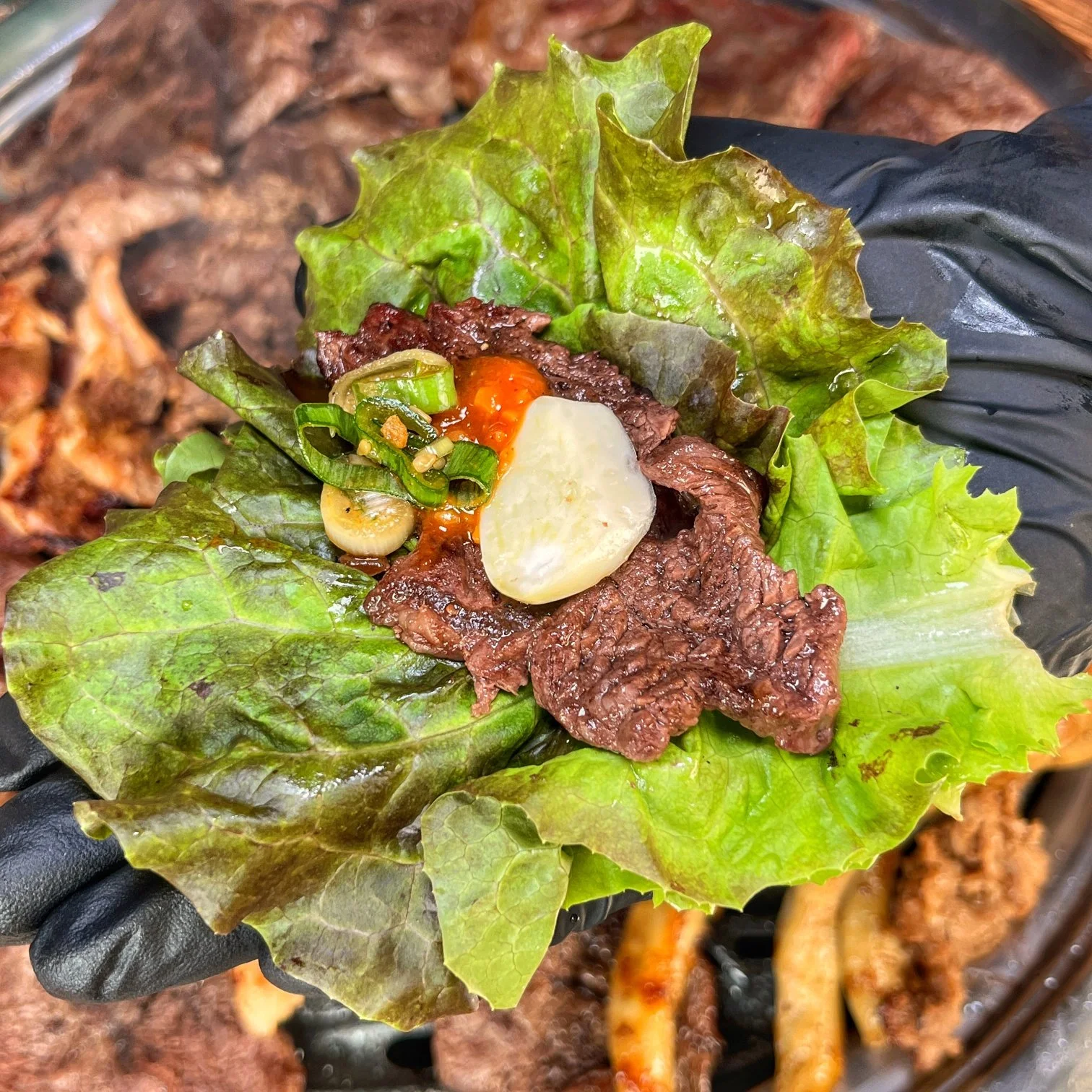
If you have ever eaten Korean BBQ, you have probably seen a small dish of thick brownish-red sauce on the table. It may not look as flashy as grilled beef, pork belly, kimchi, or sizzling soup, but it plays one of the most important roles in the meal.
That sauce is called ssamjang.
Ssamjang is a Korean dipping sauce or seasoning paste commonly eaten with grilled meat, lettuce wraps, raw vegetables, garlic, green chili peppers, and rice. It is rich, savory, slightly spicy, salty, earthy, nutty, and sometimes lightly sweet. In Korean BBQ, ssamjang is the sauce that brings grilled meat and fresh vegetables together into one balanced bite.
To understand ssamjang properly, you need to understand two important parts of Korean cuisine: ssam, the culture of wrapping food, and jang, Korea’s deep tradition of fermented sauces and pastes.
Ssamjang is not just a random BBQ sauce. It is a small but powerful example of how Korean food builds flavor through fermentation, balance, freshness, and communal eating.
➣ READ ALSO : The Ultimate Guide to Korean BBQ in Seoul
What Does Ssamjang Mean?
The word ssamjang comes from two Korean words:
Ssam means “wrap.”
Jang means “sauce” or “paste,” usually referring to fermented Korean seasonings.
So, ssamjang roughly means wrap sauce or sauce for wraps.
This name tells you exactly how it is traditionally used. Ssamjang is made to be eaten with ssam, Korean-style wraps made by placing rice, grilled meat, vegetables, garlic, chili, kimchi, or other ingredients inside lettuce, perilla leaves, cabbage, or other leafy greens.
In Korean BBQ, a classic ssam might include:
A lettuce leaf
A piece of grilled pork belly or beef
A small amount of ssamjang
Garlic or green chili
Kimchi or pickled vegetables
Sometimes rice
The wrap is then folded into a bite-sized bundle and eaten in one bite. Ssamjang acts as the flavor anchor. Without it, the wrap may taste fresh but incomplete. With it, the bite becomes deeper, saltier, richer, and more satisfying.
What Is Ssamjang Made Of?
The most basic ssamjang is usually made from a mixture of doenjang and gochujang.
Doenjang is Korean fermented soybean paste. It is salty, earthy, deep, and full of umami. Gochujang is Korean red chili paste. It is spicy, slightly sweet, fermented, and rich.
When these two pastes are mixed together, they form the base of ssamjang. But ssamjang usually includes other ingredients to make the flavor more balanced and aromatic.
Common ssamjang ingredients include:
Doenjang
Gochujang
Garlic
Green onion
Onion
Sesame oil
Sesame seeds
Honey, sugar, syrup, or another sweetener
Sometimes chopped nuts
Sometimes chili flakes
Sometimes vinegar or other seasonings
The exact recipe changes by household, restaurant, brand, and region. Some versions are thicker and saltier. Some are sweeter. Some are more spicy. Some are more nutty because of sesame oil or ground nuts. Some restaurants make their own house ssamjang, while many homes use store-bought ssamjang and adjust it with fresh ingredients.
What Does Ssamjang Taste Like?
Ssamjang has a complex flavor because it combines fermented pastes with fresh aromatics.
The first taste is usually savory and salty from doenjang. Then you notice a gentle chili flavor from gochujang. It is usually not extremely spicy, especially compared with some Korean stews or spicy noodles. Instead, the spice works in the background.
Sesame oil gives ssamjang a nutty aroma. Garlic and onion add sharpness. Sweetener softens the saltiness and helps round out the sauce. Sesame seeds add texture and fragrance.
A good ssamjang should taste bold but balanced. It should be strong enough to season plain lettuce, rice, and grilled meat, but not so overwhelming that it covers the natural flavor of the food.
The best way to describe ssamjang is:
Savory
Salty
Fermented
Nutty
It is not meant to be eaten in large spoonfuls. A small amount is enough.
Why Ssamjang Matters in Korean BBQ
Korean BBQ is not only about grilling meat. It is about creating balance at the table.
Grilled meat is rich and fatty. Lettuce and vegetables are fresh and crisp. Kimchi is sour and spicy. Pickled radish is sharp and refreshing. Rice is plain and soft. Garlic is pungent. Sesame oil sauce is salty and fragrant.
Ssamjang connects all of these elements.
When you place grilled pork belly inside lettuce with ssamjang, the sauce cuts through the fat and gives the wrap depth. When you eat grilled beef with ssamjang, it adds saltiness and fermented umami. When you dip a raw cucumber or chili pepper into ssamjang, the sauce turns a simple vegetable into a flavorful snack.
This is why ssamjang is so common at Korean BBQ restaurants. It is not just a side sauce. It is part of the structure of the meal.
At restaurants like Mongvely in Myeongdong, where guests grill meat at the table and enjoy beef, pork, banchan, sauces, and vegetables, ssamjang is one of the key sauces that helps first-time visitors understand how Korean BBQ is meant to be eaten. It teaches you that Korean BBQ is not only meat plus fire. It is meat, vegetables, sauces, wraps, and balance.
Ssamjang and the Culture of Ssam
To understand ssamjang, you also need to understand ssam culture.
Ssam is the Korean practice of wrapping food in leafy vegetables or other wrappers. Lettuce and perilla leaves are the most common, but cabbage, kale, steamed pumpkin leaves, seaweed, and other greens can also be used.
Ssam is important because it changes the way a meal feels. Instead of eating everything separately, you build one complete bite by hand. You choose the leaf, choose the meat, add sauce, add aromatics, and fold it together.
This makes Korean food interactive. It also makes eating more personal. Everyone at the table may create a slightly different wrap.
One person may add more garlic.
Another may prefer extra kimchi.
Someone else may add rice.
Another may use only meat and ssamjang.
Ssamjang makes this system work because it gives each wrap a strong flavor base. It is the seasoning that ties the wrap together.
Ssamjang vs Doenjang
Many visitors confuse ssamjang and doenjang because they look similar and both are brown fermented pastes.
The difference is simple:
Doenjang is fermented soybean paste.
Ssamjang is a seasoned sauce made using doenjang, often mixed with gochujang and other ingredients.
Doenjang is stronger, saltier, earthier, and more concentrated. It is commonly used for soups, stews, marinades, sauces, and seasoning.
Ssamjang is more ready-to-eat. It is softer in flavor because it is mixed with other ingredients like sesame oil, garlic, onion, and sweetener. It is designed to be eaten directly as a dip or wrap sauce.
You can think of doenjang as an ingredient and ssamjang as a finished condiment.
Ssamjang vs Gochujang
Gochujang is Korean red chili paste. It is red, spicy, sweet, thick, and fermented. It is used in dishes like bibimbap, tteokbokki, marinades, stews, and spicy sauces.
Ssamjang usually contains gochujang, but it is not the same thing.
Compared with gochujang, ssamjang is usually:
Less sweet
Less red
Less purely spicy
More savory
More earthy
More nutty
More suitable for lettuce wraps
Gochujang gives chili depth. Doenjang gives soybean umami. Sesame oil and aromatics make ssamjang more rounded and dip-friendly.
If you use only gochujang in a lettuce wrap, the flavor may feel too sweet and spicy. If you use only doenjang, it may feel too salty and earthy. Ssamjang combines both into something more balanced for BBQ and wraps.
How Koreans Eat Ssamjang
The most traditional way to eat ssamjang is with grilled meat and leafy vegetables.
Here is the basic method:
Take one lettuce leaf or perilla leaf.
Add a piece of grilled meat.
Add a small amount of ssamjang.
Add garlic, chili, kimchi, rice, or other banchan if you like.
Fold it into a bite-sized wrap.
Eat it in one bite if possible.
The amount matters. Beginners often add too much ssamjang because they treat it like a Western dipping sauce. But ssamjang is concentrated. Start with a small amount, about the size of a pea or a small fingertip scoop. You can always add more later.
Ssamjang is also eaten with:
Raw cucumber sticks
Fresh chili peppers
Carrot sticks
Boiled pork
It can also be mixed into rice bowls or used as a quick seasoning paste at home, but its most iconic role is still as a sauce for wraps.
Why Ssamjang Pairs So Well With Pork Belly
One of the best pairings for ssamjang is samgyeopsal, Korean pork belly.
Pork belly is fatty, rich, and mild. On its own, it can taste heavy after several pieces. Ssamjang changes that. The fermented soybean flavor gives depth, while garlic, chili, and sesame oil add aroma. When pork belly is wrapped with lettuce and ssamjang, the crisp leaf refreshes the bite and the sauce balances the fat.
This is one reason ssamjang is so closely associated with Korean BBQ. It helps diners enjoy rich grilled meats without feeling like every bite is the same.
With beef, ssamjang should be used more carefully. Beef can have a more delicate flavor, especially leaner cuts. A small amount of ssamjang can enhance the meat, but too much can overpower it.
Is Ssamjang Spicy?
Ssamjang is usually mildly spicy, but it depends on the recipe.
Because ssamjang often contains gochujang, it has some chili flavor. However, it is usually not as spicy as pure gochujang. The doenjang, sesame oil, garlic, onion, and sweetener soften the heat.
For most visitors, ssamjang is flavorful rather than painfully spicy. If you are very sensitive to spice, start with a tiny amount. If you enjoy spicy food, you can add sliced green chili or extra gochujang to your wrap.
Is Ssamjang Healthy?
Ssamjang can be part of a balanced meal, especially when eaten with vegetables and grilled protein. It encourages people to eat fresh lettuce, perilla leaves, cucumber, chili peppers, cabbage, and other vegetables.
However, ssamjang is also salty because it is based on fermented pastes. It should be used as a condiment, not eaten in large quantities.
A small amount adds a lot of flavor. That is the point. You do not need much.
For people watching sodium intake, it is better to use less ssamjang and balance the meal with fresh vegetables, water, and lighter banchan.
Is Ssamjang Vegan or Vegetarian?
Ssamjang can be vegetarian, and many basic versions are plant-based because they are made with soybean paste, chili paste, garlic, onion, sesame oil, and sesame seeds.
However, not every ssamjang is automatically vegan. Some commercial or restaurant versions may contain seafood-based seasoning, anchovy extract, fish sauce, or other animal-derived ingredients. Some gochujang or doenjang products may also contain wheat or other allergens.
If you are vegan, vegetarian, gluten-free, or allergic to soy, sesame, wheat, seafood, or garlic, you should check the ingredient label or ask the restaurant directly.
Can You Buy Ssamjang?
Yes. Ssamjang is widely sold in Korean supermarkets, convenience-style food markets, and online Korean grocery stores. It usually comes in a plastic tub, similar to gochujang or doenjang.
Store-bought ssamjang is convenient and common in Korean homes. Some people eat it as-is. Others improve it by adding fresh garlic, chopped onion, green onion, sesame oil, sesame seeds, or a little honey.
Homemade ssamjang usually tastes fresher because of the raw aromatics. Store-bought ssamjang is useful because it lasts longer and is easy to keep in the refrigerator.
How to Make Simple Ssamjang at Home
A simple home-style ssamjang can be made with:
2 tablespoons doenjang
1 tablespoon gochujang
1 teaspoon minced garlic
1 tablespoon chopped onion
1 tablespoon chopped green onion
1 teaspoon sesame oil
1 teaspoon sesame seeds
A small amount of honey or sugar
Mix everything together in a small bowl. Taste and adjust.
If it is too salty, add more onion, sesame oil, or a little sweetener.
If it is too sweet, add more doenjang.
If it is too mild, add more gochujang.
If it is too thick, add a tiny splash of water or sesame oil.
This is not the only correct recipe. Ssamjang is flexible. Korean families and restaurants often adjust it based on what they are serving.
Common Mistakes When Eating Ssamjang
The first mistake is using too much. Ssamjang is salty and concentrated, so a small amount is enough.
The second mistake is treating it as only a meat dip. It is good with meat, but it is even better inside a full wrap with vegetables and aromatics.
The third mistake is ignoring balance. A good ssam should not be just meat and sauce. Add freshness through lettuce, perilla, cucumber, pickled radish, kimchi, or other banchan.
The fourth mistake is making the wrap too big. Korean ssam is usually meant to be bite-sized. If you overfill it, the wrap falls apart and becomes hard to eat.
Why Tourists Should Try Ssamjang in Korea
Ssamjang is one of the easiest ways to understand Korean dining culture.
It shows how Korean cuisine uses fermented ingredients. It shows how grilled meat is balanced with vegetables. It shows why Korean BBQ is interactive. It also shows that sauces in Korean food are not just toppings; they are part of the meal’s structure.
For travelers eating Korean BBQ in Seoul, especially in areas like Myeongdong, ssamjang is worth paying attention to. It may look like a small side sauce, but it helps explain the whole table.
If you are visiting Mongvely or another Korean BBQ restaurant, try one bite of meat by itself first. Then try the same meat wrapped in lettuce with a little ssamjang. The difference will show you exactly why this sauce matters.
Final Thoughts: What Is Ssamjang?
Ssamjang is a Korean wrap sauce made mainly from doenjang and gochujang, often mixed with garlic, onion, green onion, sesame oil, sesame seeds, and a little sweetness. It is savory, salty, fermented, nutty, mildly spicy, and deeply connected to Korean BBQ and ssam culture.
It may seem simple, but it represents many important ideas in Korean cuisine: fermentation, balance, shared dining, vegetables, grilled meat, and the perfect bite.
Without ssamjang, Korean BBQ would still be delicious. But with ssamjang, the meal becomes more complete.
It is the sauce that turns grilled meat and lettuce into ssam.
It is the flavor that connects freshness with richness.
It is one of the small details that makes Korean BBQ feel truly Korean.
FAQ: What Is Ssamjang?
What is ssamjang?
Ssamjang is a Korean dipping sauce or seasoning paste commonly eaten with lettuce wraps, grilled meat, vegetables, garlic, chili peppers, and rice. It is especially common at Korean BBQ restaurants.
What does ssamjang mean?
Ssam means “wrap,” and jang means “sauce” or “paste.” Ssamjang means sauce for wraps.
What is ssamjang made of?
Ssamjang is usually made with doenjang, gochujang, garlic, onion, green onion, sesame oil, sesame seeds, and sometimes honey, sugar, syrup, nuts, or other seasonings.
What does ssamjang taste like?
Ssamjang tastes savory, salty, earthy, nutty, mildly spicy, slightly sweet, and rich in umami.
Is ssamjang the same as gochujang?
No. Gochujang is Korean red chili paste. Ssamjang is a seasoned wrap sauce usually made by mixing gochujang with doenjang and other ingredients.
Is ssamjang the same as doenjang?
No. Doenjang is fermented soybean paste. Ssamjang is a finished dipping sauce often made with doenjang, gochujang, sesame oil, garlic, and other seasonings.
How do you eat ssamjang?
The most common way is to add a small amount to a lettuce wrap with grilled meat, garlic, chili, rice, or banchan. It can also be used as a dip for vegetables.
What meat goes best with ssamjang?
Ssamjang pairs especially well with pork belly, pork neck, beef, grilled mushrooms, and other Korean BBQ meats.
Is ssamjang vegan?
Some ssamjang is vegan or vegetarian, but not all. Some recipes or commercial products may contain seafood-based ingredients. Always check the label or ask the restaurant.
Is ssamjang gluten-free?
Not always. Some gochujang or doenjang products may contain wheat or barley. Check the label if you need gluten-free food.
Can I make ssamjang at home?
Yes. A simple version can be made by mixing doenjang, gochujang, garlic, onion, green onion, sesame oil, sesame seeds, and a little honey or sugar.
Why is ssamjang important in Korean BBQ?
Ssamjang balances grilled meat with vegetables and wraps. It adds savory, fermented depth and helps create the complete Korean BBQ bite.
Where can I try ssamjang in Seoul?
You can try ssamjang at many Korean BBQ restaurants in Seoul. At Mongvely in Myeongdong, ssamjang is one of the sauces guests can enjoy with grilled meat, vegetables, and lettuce wraps.
Visit Us Now!
Mongvely Main Branch
Address: Myeongdong 8na-gil 9 3rd Floor
Opening Hours: 11:30 a.m. to 2:00 a.m.
Mongvely 2nd Branch
Address: Myeongdong 3-gil 44 2nd Floor
Opening Hours: 11:30 a.m. to 2:00 a.m.
Plan your visit → Book a Table
Follow us on Instagram → @kbbqmongvely
