

Charcoal vs Gas Grill Korean BBQ – Why Mongvely Uses Real Charcoal in Myeongdong
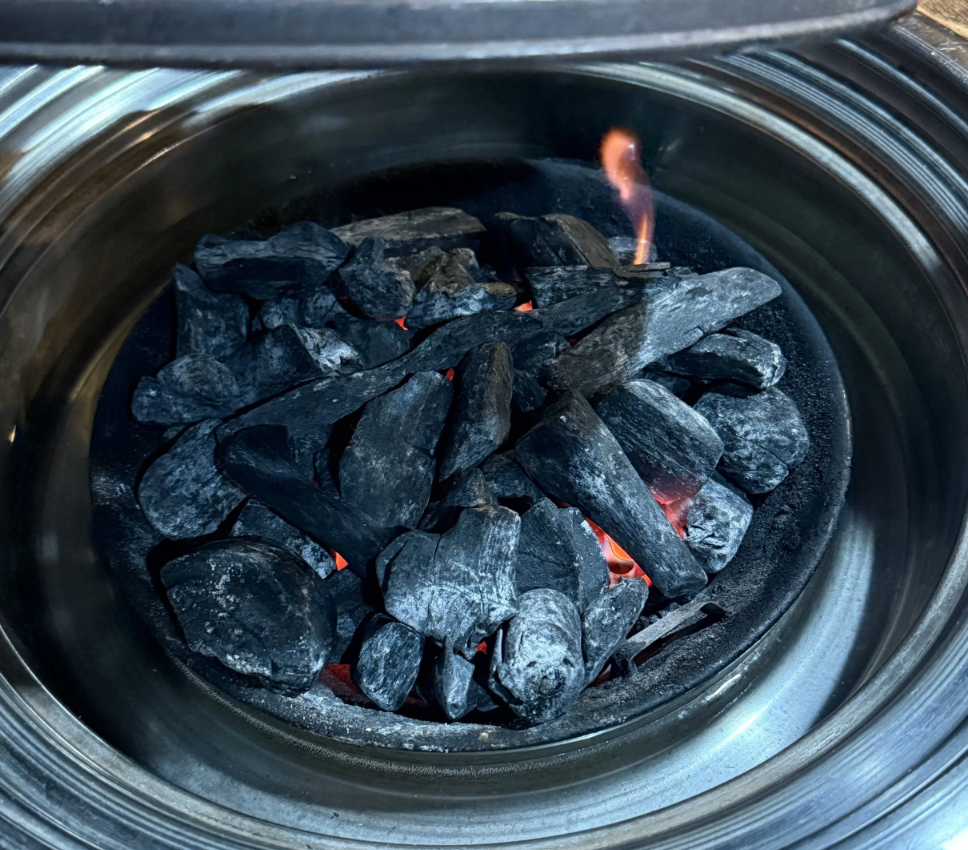
When people search for Korean BBQ in Myeongdong, they usually focus on the meat — samgyeopsal, galbi, or marinated beef. But the grill matters just as much as the cut. One of the biggest differences between an average Korean BBQ restaurant and a memorable one comes down to this:
Charcoal vs gas grill.
At Mongvely, we use real charcoal, not gas burners. It’s more work. It costs more. It requires more attention from staff. But it changes everything about the flavor, aroma, and overall experience of Korean BBQ.
If you’ve ever wondered whether charcoal really makes a difference, this guide explains it clearly — and why it matters when choosing where to eat Korean BBQ in Seoul.
What Is Charcoal Korean BBQ?
Charcoal Korean BBQ uses natural lump charcoal or briquettes as the primary heat source beneath the grill. The meat is cooked directly over glowing coals, allowing smoke and heat to interact naturally with the fat and protein.
This method is traditional in Korea and was widely used before modern gas systems became common in urban restaurants.
In contrast, gas grill Korean BBQ uses a gas burner under a metal plate or mesh. It provides consistent heat but lacks the smoky element that charcoal creates.
Both methods cook meat.
Only one creates depth of flavor.
Charcoal vs Gas Grill Korean BBQ: What’s the Real Difference?
Let’s break it down clearly.
1. Flavor
This is the biggest difference.
When pork belly or beef fat drips onto charcoal, it creates smoke that rises back into the meat. That smoke carries natural flavor compounds that add complexity — slightly sweet, slightly roasted, slightly smoky.
Gas grills produce heat, but they do not produce that same flavor reaction. The meat tastes clean, but flatter.
If you’ve ever wondered why some Korean BBQ tastes more “fragrant” or richer, charcoal is usually the reason.
2. Aroma
A proper charcoal grill gives off a deep, warm aroma before you even take your first bite.
That smell — the combination of rendered pork fat, smoke, and heat — is part of what makes Korean BBQ memorable.
Gas grills don’t produce that effect. There is heat, but no natural smoke.
For many locals in Korea, that charcoal scent is what signals authentic Korean BBQ.
3. Heat Intensity
Charcoal burns hotter and more unevenly than gas.
That may sound like a disadvantage, but it’s not.
The variation in heat creates:
Crisp edges on pork belly
Proper caramelization on marinated meats
Slight char marks that add texture
Gas grills are consistent, but consistency isn’t always better. Controlled imperfection adds character to the meat.
4. Texture and Crispiness
If you’ve ever had properly grilled samgyeopsal with:
A crisp outer layer
Juicy interior
Slight smoky finish
That’s usually charcoal.
Gas grills can cook pork thoroughly, but achieving that crisp-fat contrast is harder.
At Mongvely, the charcoal allows the fat to render slowly while still creating surface caramelization.
Why Many Restaurants Use Gas Instead of Charcoal
If charcoal is better, why do so many restaurants in Seoul use gas grills?
Simple:
Easier maintenance
Faster setup
Less smoke management
Lower operational cost
More consistent for inexperienced staff
Gas grills are efficient. They’re practical. They reduce complications.
But they remove one of the most important parts of traditional Korean BBQ — the charcoal flavor.
In high-traffic areas like Myeongdong, it’s common to find gas grills because they are easier to manage in busy environments.
That’s exactly why charcoal stands out.
Why Mongvely Uses Real Charcoal in Myeongdong
We chose charcoal intentionally.
Not for aesthetics.
Not for marketing.
For flavor.
Operating a charcoal Korean BBQ restaurant in Myeongdong requires:
Proper ventilation systems
Trained staff who understand heat control
Regular charcoal replacement
Active grill management
It’s more work. But it produces better results.
When guests search for:
Best Korean BBQ in Myeongdong
Authentic Korean BBQ in Seoul
Charcoal grill Korean BBQ
We want the experience to justify the search.
How Charcoal Enhances Pork at Mongvely
Mongvely focuses on beef and pork Korean BBQ, and charcoal works especially well with pork cuts like:
Samgyeopsal (Pork Belly)
The fat melts, drips onto the charcoal, creates smoke, and infuses the meat.
The result:
Crisp exterior
Juicy interior
Smoky aroma
Moksal (Pork Neck)
This cut benefits from steady high heat and slight charring.
Charcoal creates:
Better surface caramelization
Deeper roasted flavor
Marinated Meats
Marinades caramelize beautifully over charcoal because of the higher heat intensity. Slight char adds balance to sweetness.
Gas can cook these meats.
Charcoal elevates them.
The Cultural History of Charcoal in Korean BBQ
Traditional Korean homes used charcoal or wood-burning systems called agungi (아궁이) for cooking and heating.
Grilling meat over charcoal became popular because:
It was accessible
It produced strong heat
It enhanced flavor naturally
Before gas infrastructure expanded in cities, charcoal was standard.
While modern restaurants prioritize convenience, charcoal remains a symbol of traditional Korean grilling.
For visitors searching for a real Korean BBQ experience in Seoul, charcoal still represents authenticity.
Does Charcoal Make Korean BBQ Healthier?
Let’s be realistic.
Korean BBQ is indulgent. It’s grilled meat.
Charcoal does not magically make it healthy.
However, charcoal grilling:
Allows fat to drip away from the meat
Avoids direct flame contact when managed properly
Creates faster searing, which locks in juices
The key is proper ventilation and careful grilling — which is why trained staff matter.
Is Charcoal Korean BBQ More Expensive?
Operationally, yes.
Charcoal:
Must be replaced regularly
Cannot be reused indefinitely
Requires ventilation systems
Requires staff oversight
That’s why some restaurants avoid it.
But the difference in cost is often small compared to the difference in taste.
When choosing Korean BBQ in Myeongdong, the grill type should be part of your decision — not just price.
How to Tell If a Korean BBQ Restaurant Uses Real Charcoal
If you’re traveling in Seoul and searching for charcoal grill Korean BBQ, here’s what to look for:
Visible glowing coals beneath the grill
Natural smoke aroma before cooking
Slight ash under the grill system
Staff replacing charcoal manually
If you only see a metal burner with blue flame underneath, it’s gas.
Both cook meat.
Only one adds smoke flavor.
Charcoal Korean BBQ and the Full Experience
Korean BBQ is not just about eating meat.
It’s about:
Sitting around a live grill
Watching fat sizzle
Hearing the crackle of charcoal
Sharing dishes
Charcoal makes the table feel alive.
Gas feels efficient.
If you’re dining in Myeongdong after shopping or sightseeing, charcoal grilling adds warmth and atmosphere to the meal.
Why Tourists Notice the Difference
Many visitors to Seoul try Korean BBQ multiple times during their trip.
Often they say:
“This place tastes different.”
The difference is usually:
Quality of meat
Or grill type
Charcoal leaves a memory. It creates a stronger sensory impression.
For first-time visitors searching:
Where to eat Korean BBQ in Myeongdong
Best Korean BBQ in Seoul
Authentic Korean BBQ experience
Charcoal matters more than most people realize.
Mongvely’s Commitment to Traditional Grilling
Mongvely operates in one of Seoul’s busiest tourist areas — Myeongdong.
We already provide:
English-friendly menus
Accessible location near Myeongdong Station
Comfortable seating for groups
But grill quality is where we refuse to compromise.
Using charcoal in a high-traffic district is not the easiest choice.
It’s the better one.
Charcoal vs Gas: Final Verdict
If you care about:
Smoky flavor
Authentic aroma
Crisp texture
Traditional Korean grilling
Charcoal wins.
If you prioritize:
Speed
Uniform heat
Lower cost
Gas is sufficient.
At Mongvely, we choose flavor over convenience.
Because when someone searches for Korean BBQ in Myeongdong, we don’t want them leaving thinking:
“It was fine.”
We want them remembering the smoke.
Looking for Charcoal Korean BBQ in Myeongdong?
If you’re visiting Seoul and want to try real charcoal Korean BBQ, Mongvely is located just minutes from Myeongdong Station.
Whether you’re coming after shopping, before heading back to your hotel, or planning a late dinner in the city center, charcoal grilling makes the meal worth it.
Authentic heat.
Real smoke.
Proper Korean BBQ.
Visit Us Now!
Mongvely Main Branch
Address: Myeongdong 8na-gil 9 3rd Floor
Opening Hours: 11:30 a.m. to 2:00 a.m.
Mongvely 2nd Branch
Address: Myeongdong 3-gil 44 2nd Floor
Opening Hours: 11:30 a.m. to 2:00 a.m.
Plan your visit → Book a Table
Follow us on Instagram → @kbbqmongvely
