

Korean BBQ Explained: What It Is, How It Works, and Why It’s Different in Seoul
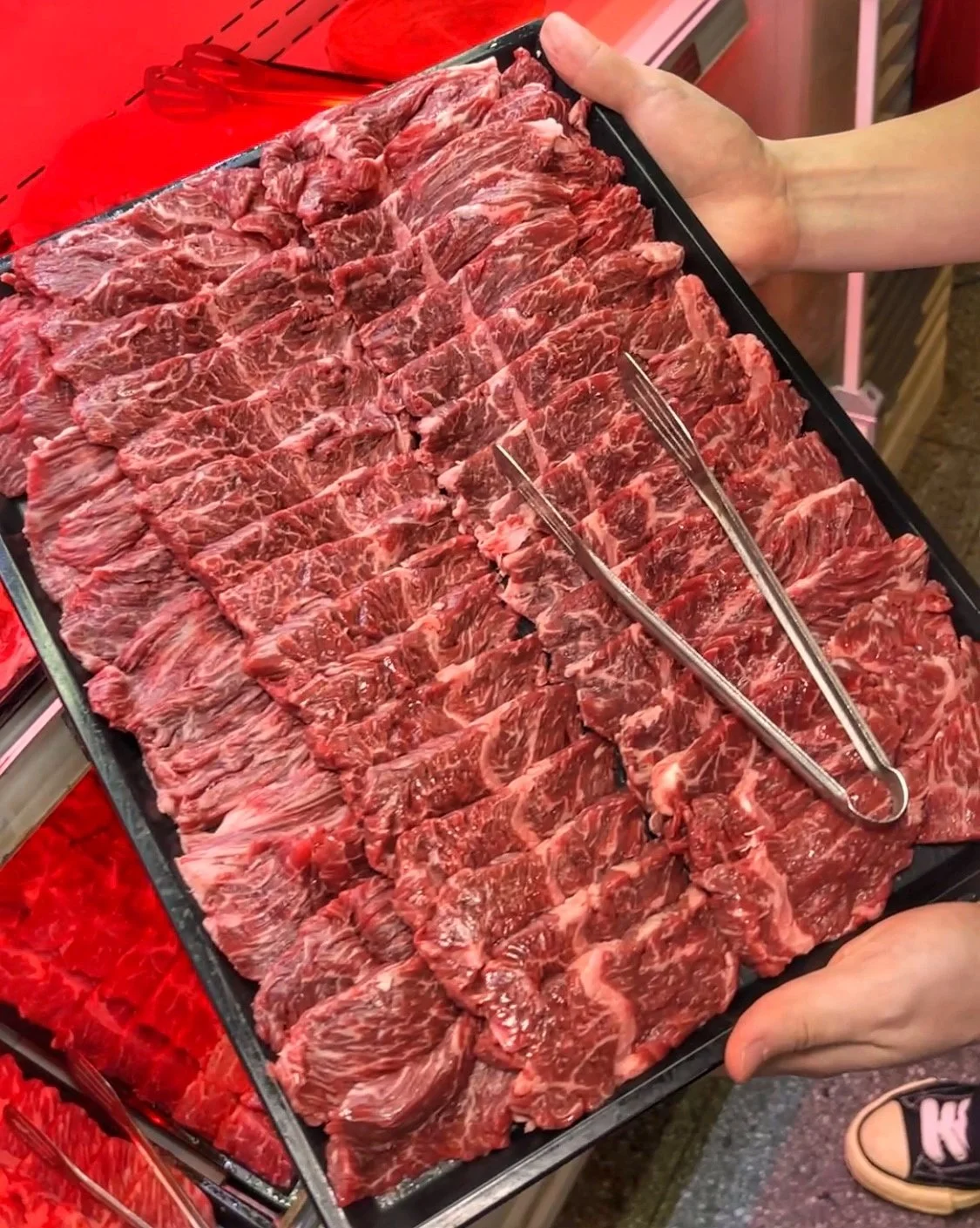
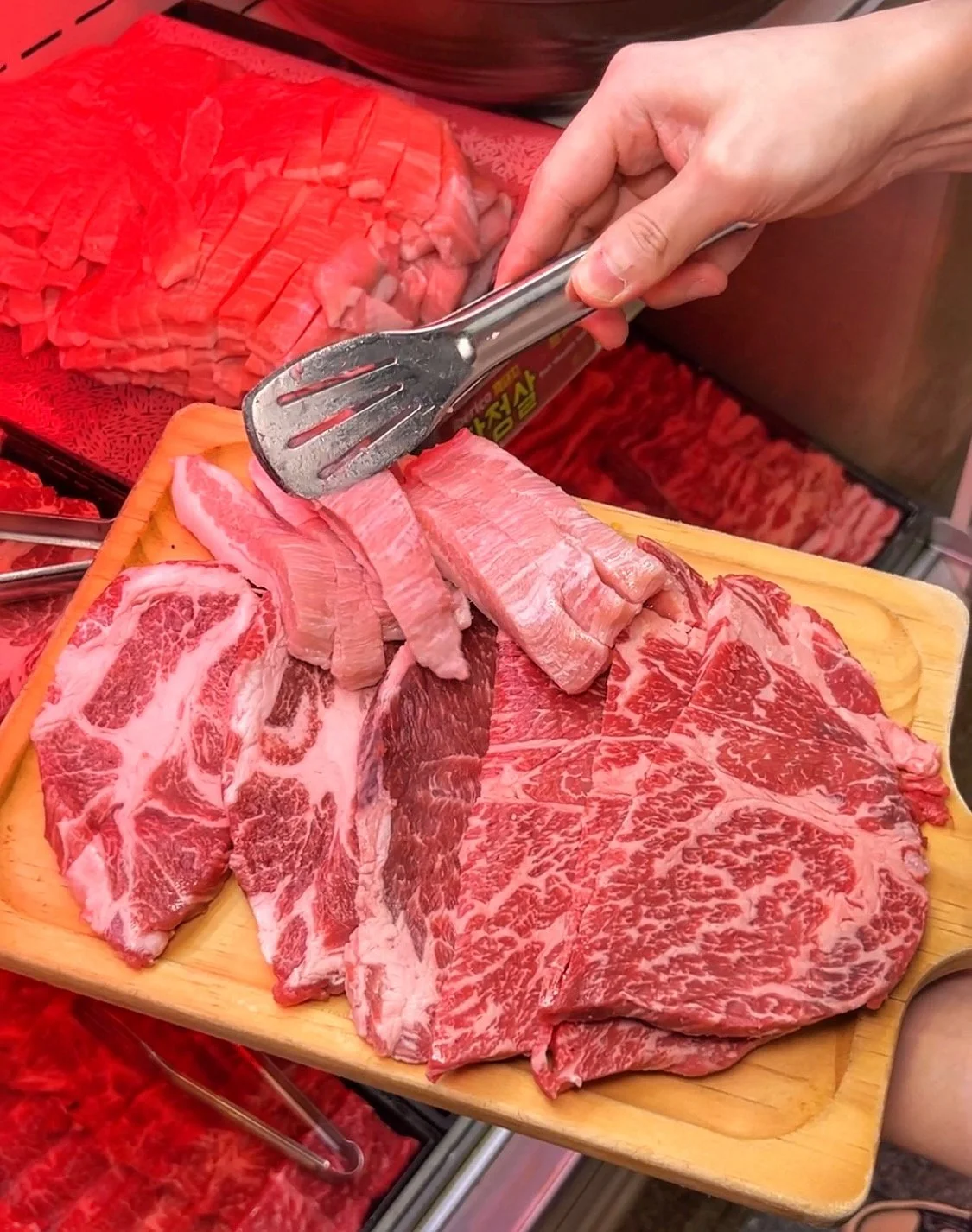
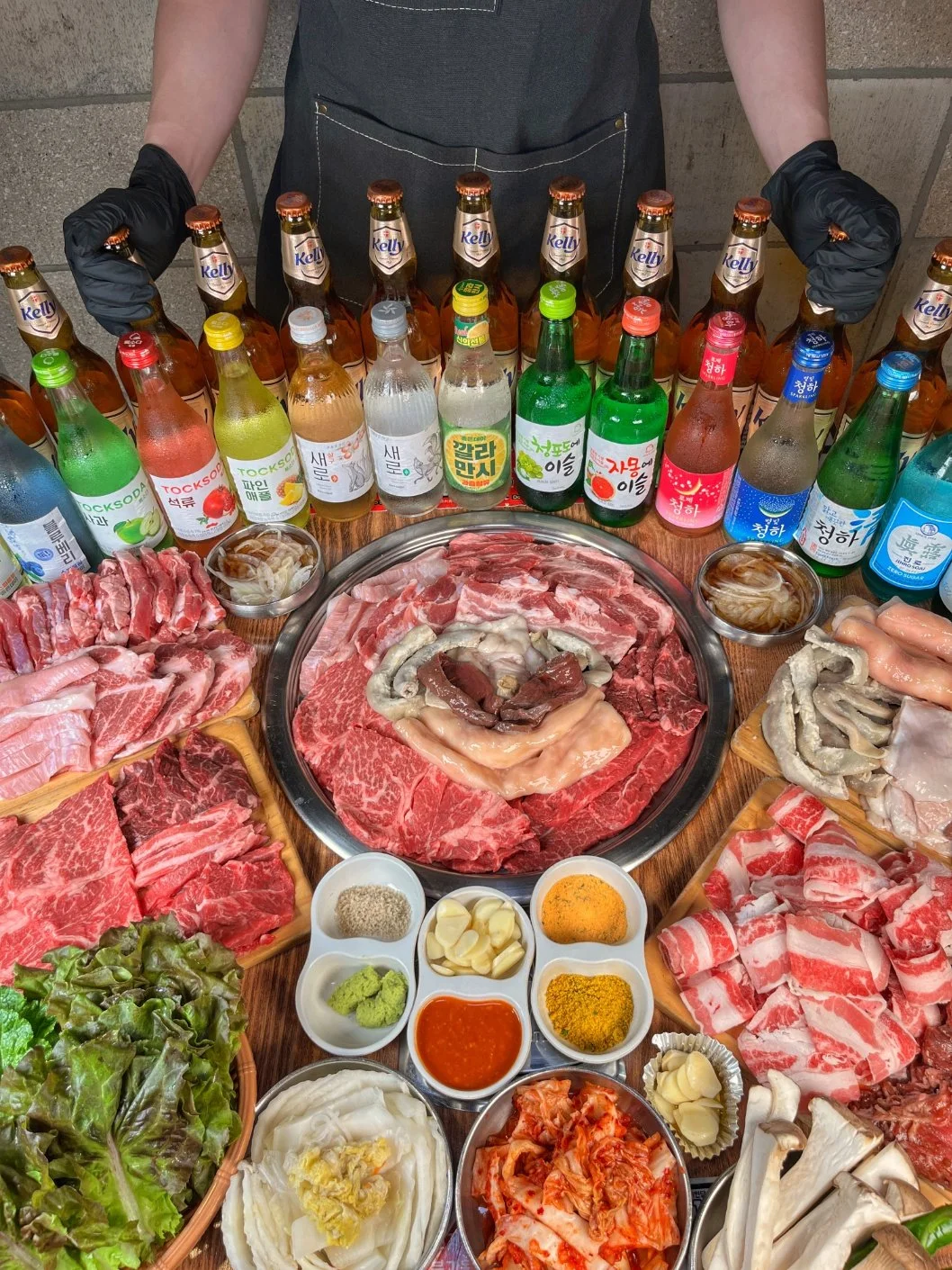
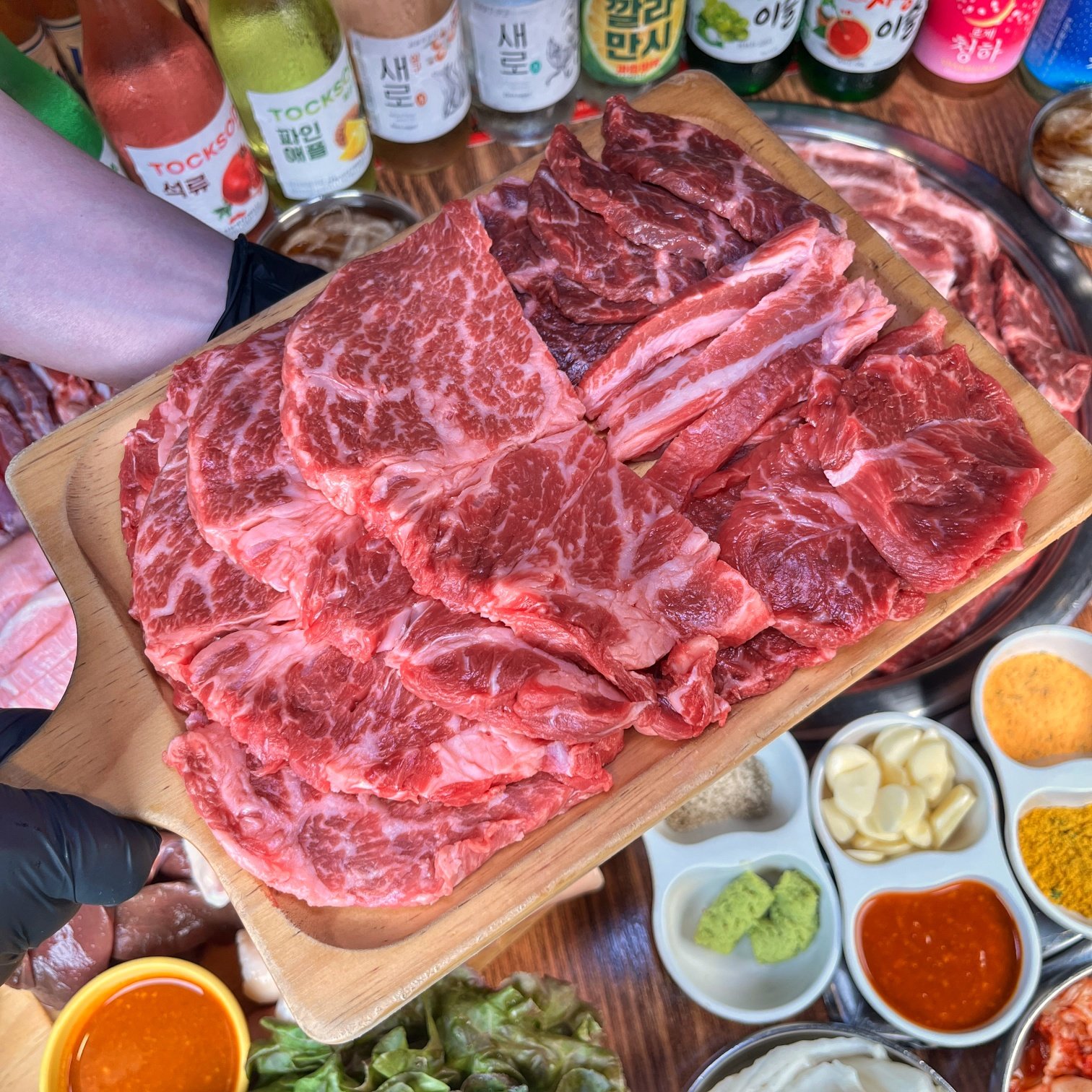
Korean BBQ is often misunderstood. Many people hear “BBQ” and expect slow-smoked meat, heavy sauces, and a plate that arrives fully cooked. Korean BBQ is none of that. It’s not just a cuisine, it’s a dining format, and that distinction is exactly why first-time visitors are sometimes confused and long-time fans keep coming back.
This guide explains Korean BBQ properly. Not as a trend, not as a restaurant pitch, but as a food culture. If you understand how Korean BBQ works, you’ll understand why it feels so different in Seoul and why it doesn’t translate cleanly into other countries.
Curious about what is the difference between Korean BBQ and other BBQ types?
Read Below!
➣ What Makes Korean BBQ Different From Japanese Yakiniku?
➣ Korean BBQ vs Western BBQ: What’s the Real Difference?
What Is Korean BBQ?
At its core, Korean BBQ is tabletop grilling. Raw meat is brought to the table and cooked directly in front of you, usually over charcoal or a built-in gas grill. The cooking is fast, the portions arrive in rounds, and the meal unfolds gradually rather than all at once.
Unlike Western-style barbecue, Korean BBQ is not about smoking meat for hours or relying on heavy seasoning. The focus is on:
Fresh meat
Direct heat
Texture
Balance through side dishes
The grill is part of the table because the act of cooking is part of the meal. You’re not waiting for food to arrive. You’re participating in it.
➣ Read also : The Ultimate Guide to Korean BBQ in Seoul
How Korean BBQ Is Different From Other Types of BBQ
The biggest mistake people make is assuming all BBQ follows the same logic. Korean BBQ and Western BBQ share a word, but little else.
Korean BBQ is cooked at the table, over high heat, in short bursts. Meat is eaten almost immediately after cooking. Western BBQ is cooked in advance, low and slow, often overnight.
Korean BBQ emphasizes variety. You grill different cuts, eat them in different ways, and combine them with different sides. Western BBQ emphasizes consistency. A brisket tastes like brisket from the first bite to the last.
This difference explains why Korean BBQ feels lighter, more interactive, and more social, even when you eat a lot.
Common Meats Used in Korean BBQ
Korean BBQ uses cuts that are suited to fast cooking and direct heat. These are not random choices. They’re intentional.
Pork
Pork is one of the most common meats in Korean BBQ, especially pork belly (samgyeopsal). It’s sliced thick enough to stay juicy but thin enough to cook quickly. Other pork cuts may include neck, jowl, or specialty selections depending on the restaurant.
Beef
Beef cuts vary widely, from marinated options like bulgogi to non-marinated cuts that highlight the meat itself. Short ribs, sliced ribeye, and other grill-friendly cuts are common.
What matters is not just the cut, but how it’s sliced. Korean BBQ meat is prepared for speed, not endurance.
Why Side Dishes Matter in Korean BBQ
Side dishes, known as banchan, are not optional extras. They are structural.
A Korean BBQ table usually includes:
Multiple vegetable side dishes
Pickled or fermented items
Dipping sauces
Lettuce or perilla leaves for wraps
Soups or stews
These sides do three things:
Balance the richness of grilled meat
Reset your palate between bites
Let you control how heavy or light each bite feels
This is why Korean BBQ doesn’t rely on heavy sauces on the meat itself. Flavor is built through combination, not domination.
Read also :
➣ What Is Banchan? The Complete Guide to Korean Side Dishes at Mongvely
➣ Korean Banchan Explained: Every Side Dish and Its Meaning
How a Korean BBQ Meal Usually Flows
A Korean BBQ meal doesn’t arrive all at once. It moves in stages.
First, side dishes are set on the table. Then meat arrives in rounds, not in a single overwhelming portion. You grill, eat, talk, and repeat. Refills happen. The pace is flexible.
Meals often last longer than expected, not because service is slow, but because there’s no reason to rush. Korean BBQ is designed to be shared, talked over, and stretched out.
Why Korean BBQ Is Meant to Be Shared
Korean BBQ is fundamentally communal. The grill sits in the center. Meat is cut and distributed. Everyone eats from the same source.
This isn’t accidental. Korean dining culture places value on shared experiences and group meals. Korean BBQ reflects that. Eating alone defeats the purpose. Eating together completes it.
This is also why Korean BBQ restaurants are usually designed for groups and why solo dining is less common.
Why Korean BBQ in Seoul Feels Different
You can find Korean BBQ outside Korea, but the experience changes. Seoul is where the format makes the most sense.
In Seoul:
Korean BBQ is everyday food, not an event
Restaurants stay open late
Walk-ins are normal
Quality competition is high
Diners know what to expect
Because it’s woven into daily life, Korean BBQ in Seoul feels more relaxed and more consistent. You’re not being sold an “experience.” You’re stepping into a routine that already exists.
Experiencing Korean BBQ the Way It’s Meant to Be
Restaurants like Mongvely reflect how Korean BBQ is meant to function in practice.
Instead of pre-cooked plates or over-seasoned meat, the focus stays on tabletop grilling, shared dining, and balance. Beef and pork are grilled fresh, side dishes are part of the structure, and the meal unfolds at the table rather than in the kitchen.
Located in central Seoul, Mongvely also reflects another core aspect of Korean BBQ culture: accessibility. Korean BBQ isn’t reserved for weekends or special occasions. It’s something people eat after shopping, late at night, or when gathering as a group.
This everyday flexibility is one of the clearest differences between Korean BBQ and other forms of barbecue. It’s not about spectacle. It’s about rhythm.
Why Understanding Korean BBQ Changes the Experience
Most disappointment with Korean BBQ comes from mismatched expectations. People expect Western BBQ and get something else. Once you understand the structure, the experience clicks.
Korean BBQ isn’t about waiting for the perfect plate. It’s about:
Participating in the cooking
Adjusting each bite
Eating at your own pace
Sharing the table
When you approach it that way, Korean BBQ stops being confusing and starts being addictive.
Final Thoughts
Korean BBQ isn’t just grilled meat. It’s a system. Tabletop cooking, balanced sides, shared pacing, and flexible timing all work together.
That’s why it feels different in Seoul. And that’s why it doesn’t need to imitate anything else.
Once you understand Korean BBQ on its own terms, everything about it makes sense.
➣ CLICK HERE for Mongvely’s Full Menu
Visit Us Now!
Mongvely Main Branch
Address: Myeongdong 8na-gil 9 3rd Floor
Opening Hours: 11:30 a.m. to 2:00 a.m.
Mongvely 2nd Branch
Address: Myeongdong 3-gil 44 2nd Floor
Opening Hours: 11:30 a.m. to 2:00 a.m.
Follow us on Instagram: @kbbqmongvely
