

Korean BBQ vs Western BBQ: What’s the Real Difference?
At first glance, Korean BBQ and Western BBQ seem similar. There’s meat. There’s fire. There’s smoke somewhere in the picture. That’s usually where the comparison stops, and that’s also where most explanations go wrong.
Korean BBQ and Western BBQ are not just different cuisines. They are built on completely different ideas of cooking, eating, and sharing food. Understanding this difference matters, especially for first-time diners who expect one experience and get the other.
If you’ve ever wondered why Korean BBQ feels interactive, fast, and social while Western BBQ feels slow, heavy, and event-like, this guide breaks it down properly.
1. Cooking Method: Tabletop Grilling vs Low-and-Slow Smoking
The most fundamental difference is where and how the meat is cooked.
Korean BBQ
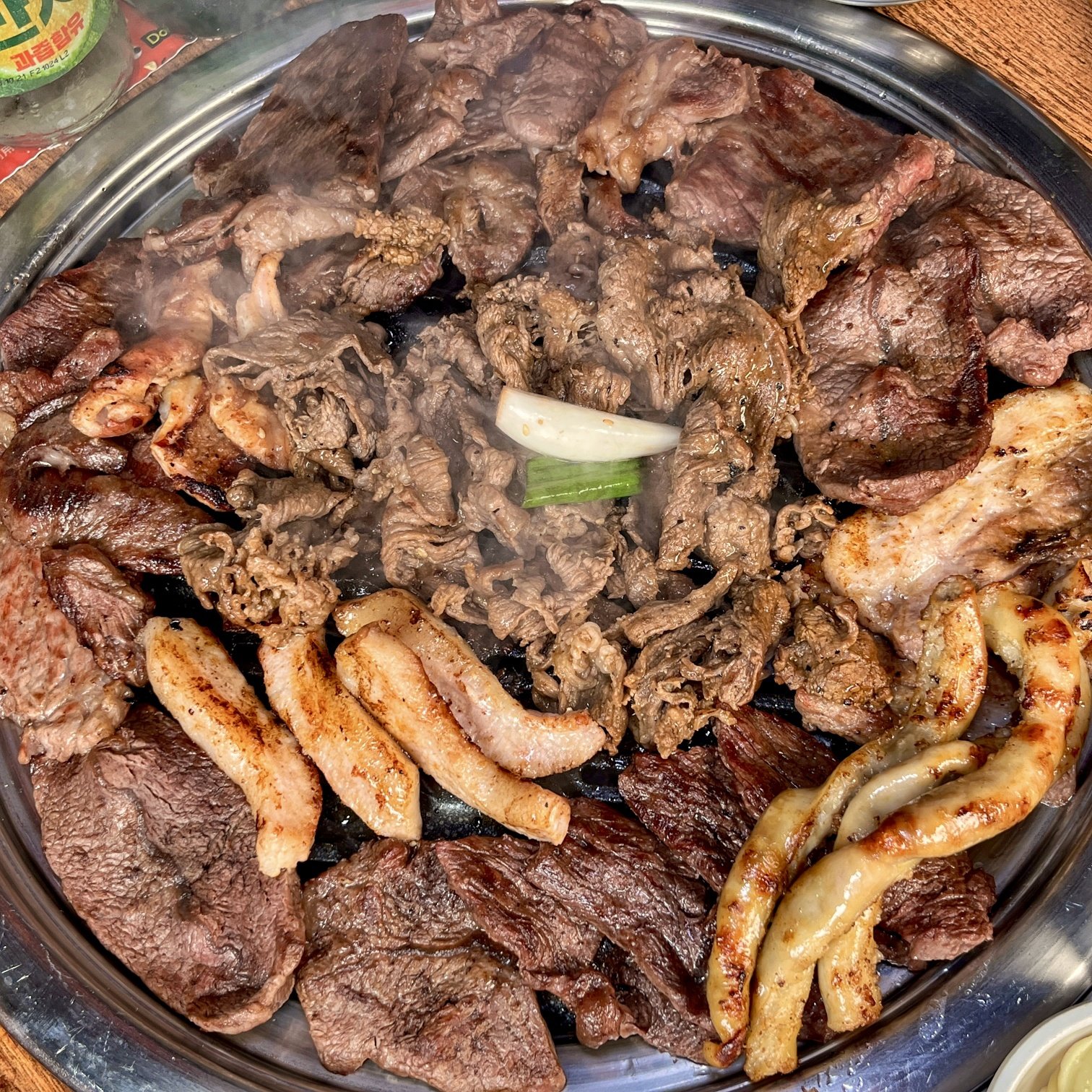
Korean BBQ is cooked at the table.
The grill is built into the dining table, and the meat arrives raw. Diners cook it themselves or with help from staff, grilling thin or medium-cut meat over charcoal or gas at high heat.
Cooking time is short. Most cuts are ready in minutes. Meat is eaten immediately after grilling, often straight off the grill.
Freshness and timing matter more than smoke.
Western BBQ
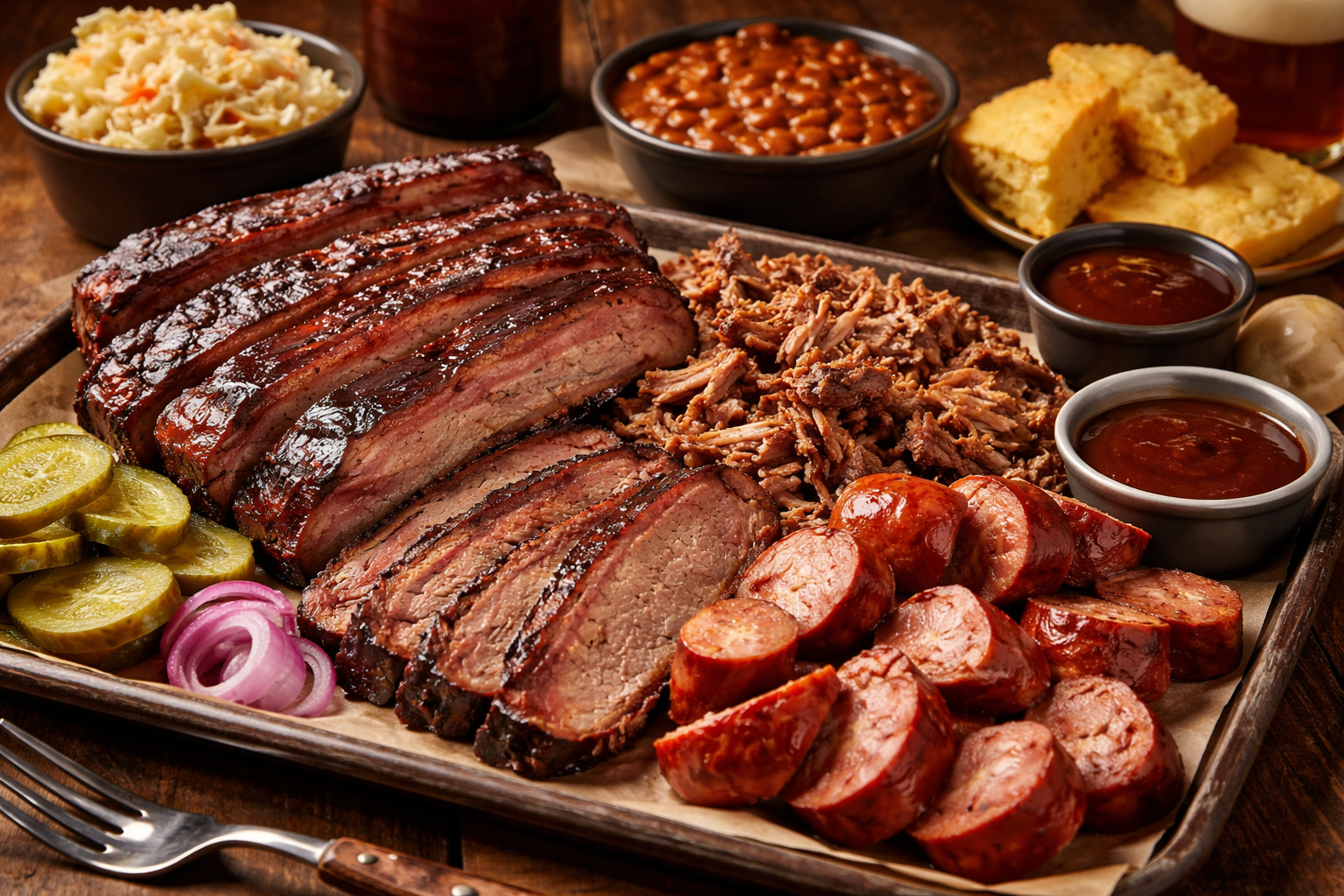
Western BBQ, especially American-style barbecue, is cooked long before you sit down. Meats are smoked in pits or smokers at low temperatures for hours, sometimes overnight.
By the time the food reaches the table, cooking is finished. You’re not involved in the process. You’re eating the result of time, smoke, and technique.
This difference alone explains why Korean BBQ feels active and Western BBQ feels passive.
2. Meat Cuts: Thin, Fast, and Precise vs Large and Forgiving
The types of meat used tell you a lot about the cuisine.
Korean BBQ Meat Cuts
Korean BBQ favors cuts that:
Cook quickly
Retain natural texture
Taste good with minimal seasoning
Common examples include pork belly, short ribs, marinated beef, and specialty cuts sliced thin or into manageable pieces. These cuts are designed for direct heat and immediate eating.
The goal isn’t to soften tough meat through long cooking. The goal is to highlight the meat’s original texture and flavor.
Western BBQ Meat Cuts
Western BBQ uses large, tough cuts:
Brisket
Pork shoulder
Ribs
Whole sausages
These cuts need long cooking to break down connective tissue. Smoke and time do the work.
Western BBQ is about transformation. Korean BBQ is about precision.
3. Flavor Philosophy: Balance vs Dominance
This is where expectations often clash.
Korean BBQ Flavor Profile
Korean BBQ flavors are built through balance:
Light seasoning on meat
Salt, sesame oil, fermented sauces
Fresh vegetables and pickles
The meat is rarely heavily sauced. Instead, it’s combined with side dishes, wraps, and condiments. Each bite changes depending on how you assemble it.
The result is variety. You can eat a lot without feeling overwhelmed.
Western BBQ Flavor Profile
Western BBQ leans into dominance:
Smoke-forward flavor
Dry rubs
Sweet, spicy, or tangy sauces
The meat is meant to stand alone. Sides support it, but they don’t change the flavor structure of each bite.
This is why Western BBQ often feels heavier and more filling. The flavor is intense and consistent from start to finish.
4. Side Dishes: Core Component vs Supporting Cast
Side dishes reveal how a cuisine expects you to eat.
Korean BBQ Side Dishes
In Korean BBQ, side dishes are essential, not optional.
A typical table includes:
Multiple vegetable dishes
Pickled and fermented items
Dipping sauces
Lettuce and wraps
Soups or stews
These aren’t just for variety. They reset your palate, balance richness, and let you control how heavy or light each bite feels.
Remove the side dishes and Korean BBQ stops working properly.
Western BBQ Side Dishes
Western BBQ sides like coleslaw, baked beans, or cornbread are secondary. They’re served on the side, often in fixed portions.
They complement the meat, but the meal doesn’t depend on them.
This difference explains why Korean BBQ tables look crowded and Western BBQ plates look simple.
5. Dining Style: Shared Experience vs Individual Portions
Korean BBQ and Western BBQ are built around different social assumptions.
Korean BBQ
Korean BBQ is meant to be shared:
Meat is placed in the center
Everyone cooks, cuts, and eats together
The pace is flexible and conversational
It’s normal for meals to last a long time. Talking is part of the experience.
Western BBQ
Western BBQ is usually served as:
Individual plates
Pre-portioned servings
A clear start and end
You eat what you’re given. Sharing happens, but it’s not built into the structure.
Korean BBQ feels like an activity. Western BBQ feels like a course.
6. Speed and Timing: Flexible vs Scheduled
Another major difference is when and how often people eat it.
Korean BBQ Timing
Korean BBQ is eaten:
At lunch
At dinner
Late at night
After shopping or socializing
It’s normal for Korean BBQ restaurants to stay open late and accept walk-ins. It’s part of everyday dining culture.
Western BBQ Timing
Western BBQ is often:
A weekend meal
A planned visit
Limited by supply
Once the smoked meat sells out, that’s it.
This is why Western BBQ feels like an occasion, while Korean BBQ feels like an option.
7. Control: Customization vs Trusting the Pitmaster
Who controls the meal?
Korean BBQ
You do.
How long the meat cooks
How it’s seasoned
What you eat it with
You can change your approach every bite.
Western BBQ
The pitmaster does.
Cooking time is fixed
Seasoning is predetermined
Sauce is optional, but secondary
You’re trusting expertise rather than participating.
Neither is better. They just satisfy different instincts.
8. Portioning and Value Perception
This matters for first-time diners.
Korean BBQ Portions
Korean BBQ often:
Feels endless
Comes in rounds
Includes refills of sides
The value comes from variety and time spent eating.
Western BBQ Portions
Western BBQ:
Comes as a fixed plate
Focuses on meat quantity
Feels heavier per serving
The value comes from craftsmanship and portion size.
This is why Korean BBQ can feel lighter even when you eat more.
So Which One Is Better?
That question misses the point.
Choose Korean BBQ if you want:
Interaction
Variety
Control over each bite
A social meal
Choose Western BBQ if you want:
Deep smoke flavor
Minimal effort
A hearty, single-plate experience
They solve different cravings, and neither replaces the other.
Why This Comparison Matters
People searching “Korean BBQ vs Western BBQ” aren’t deciding which cuisine is superior. They’re trying to avoid disappointment.
This guide works because it explains experience, not just ingredients. That’s what ranks, and that’s what readers actually need.
If you understand the difference, you’ll enjoy both more.
Where Mongvely Fits in the Korean BBQ vs Western BBQ Conversation
Restaurants like Mongvely Korean BBQ in Myeongdong are a good example of why Korean BBQ feels so different from Western BBQ in practice, not just in theory.
At Mongvely, the focus is on tabletop grilling and shared dining, which sits at the core of Korean BBQ culture. Instead of pre-cooked meat arriving on a plate, diners grill beef and pork themselves, controlling doneness, pacing, and how each bite is eaten. The experience changes from moment to moment depending on which cut you grill, what side dish you pair it with, or whether you wrap it in lettuce or eat it straight off the grill.
Unlike Western BBQ, where the flavor is largely decided before the food reaches the table, Korean BBQ at Mongvely is interactive. Side dishes aren’t decorative. They’re there to balance richness, reset your palate, and make it possible to enjoy a long meal without feeling overwhelmed. This is also why Korean BBQ works well for groups. Everyone eats together, shares cuts, and cooks at their own rhythm.
Located in Myeongdong, Mongvely also reflects another key difference from Western BBQ: flexibility. Korean BBQ isn’t reserved for weekends or special occasions. It’s something you can eat after shopping, late at night, or as a casual group meal. That everyday accessibility is part of why Korean BBQ feels less like an event and more like a living dining culture.
In short, Mongvely doesn’t try to imitate Western BBQ. It represents what Korean BBQ is actually meant to be: social, adjustable, and built around the table rather than the pit.
Visit Us Now!
Mongvely Main Branch
Address: Myeongdong 8na-gil 9 3rd Floor
Opening Hours: 11:30 a.m. to 2:00 a.m.
Mongvely 2nd Branch
Address: Myeongdong 3-gil 44 2nd Floor
Opening Hours: 11:30 a.m. to 2:00 a.m.
Follow us on Instagram: @kbbqmongvely
