

How Dining Culture in Korea Is Different From the West
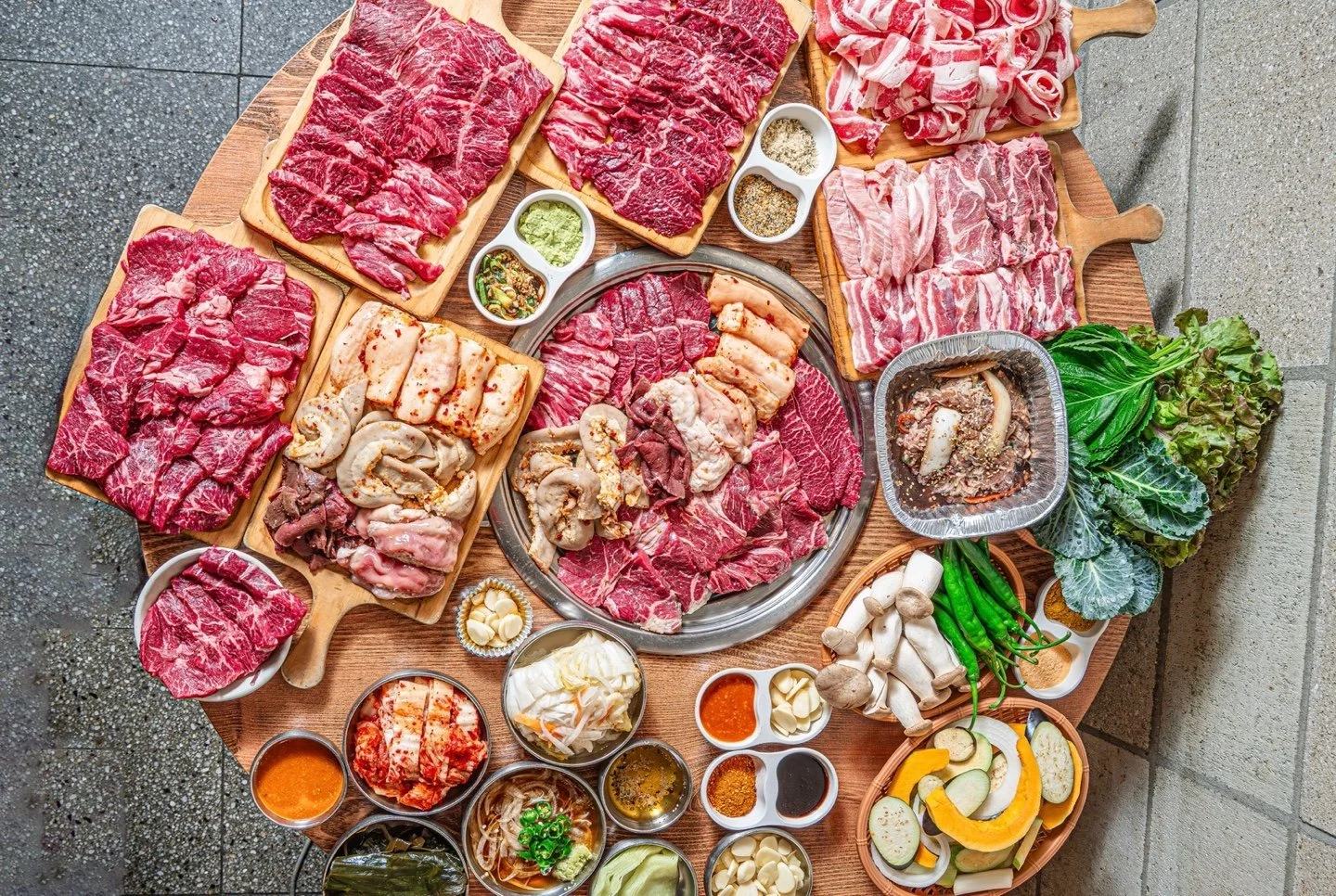
For many travelers, dining in Korea feels familiar on the surface but subtly different once you sit down at a restaurant. Meals are social, interactive, and structured around sharing, which can surprise visitors used to Western dining norms. Understanding how dining culture in Korea is different from the West helps travelers avoid confusion, dine more confidently, and enjoy Korean food the way it’s meant to be experienced.
This guide explains the key cultural differences, from ordering and sharing food to payment etiquette and pacing, so first-time visitors know exactly what to expect when eating out in Korea.
Dining in Korea Is Built Around Sharing
One of the biggest differences between Korean dining culture and Western dining culture is the emphasis on communal eating.
Meals Are Meant to Be Shared
In Korea, food is usually ordered for the table, not per person. Dishes are placed in the center and shared by everyone. This applies across cuisines, especially at Korean BBQ restaurants, where the grill is shared and meats are cooked together.
In contrast, Western dining often emphasizes individual plates, personal portions, and separate orders. In Korea, ordering one dish per person can feel unnatural in many restaurants.
For first-time visitors, this is why Korean BBQ restaurants often recommend dining in groups and why menus are structured around shared sets. Our internal guide on what to expect on your first Korean BBQ in Seoul explains this in more detail for travelers unfamiliar with the format.
Side Dishes Are Included, Not Optional
Another major difference is the role of side dishes, known as banchan.
Banchan Comes Automatically
In Korea, side dishes are:
Included with the meal
Shared by the table
Refilled at no extra cost at many restaurants
This contrasts with Western dining, where sides are usually ordered separately and priced individually.
The presence of banchan changes how meals are paced. You don’t wait for a main dish to arrive before eating. Small bites begin almost immediately, creating a more relaxed and social rhythm.
At Korean BBQ restaurants like Mongvely, banchan supports the meat rather than competing with it, reinforcing the shared dining experience.
➣ Read also : What Is Banchan? The Complete Guide to Korean Side Dishes at Mongvely
Ordering Is Usually Done Once, Then Repeated
Initial Ordering Is Strategic
In Korea, diners often place a larger initial order, then add more later. This is especially common at Korean BBQ and all-you-can-eat restaurants.
In Western restaurants, frequent reordering can feel disruptive. In Korea, it’s normal.
This is why understanding how all-you-can-eat dining works matters. Our internal page explaining how AYCE Korean BBQ works is designed specifically to remove this uncertainty for travelers.
Staff Interaction Is Practical, Not Performative
Western dining culture often emphasizes frequent check-ins, small talk, and visible attentiveness. Korean dining culture is more practical and efficient.
Service Is Available, Not Constant
In Korea:
Staff may not check in frequently
You are expected to call for service when needed
Buttons or hand signals are common
This doesn’t mean service is poor. It means diners are trusted to manage their own pace.
For tourists, this can feel unfamiliar at first, but it often results in a more relaxed meal without interruption.
Cooking at the Table Is Normal
One of the most noticeable differences is that cooking at the table is common, especially at Korean BBQ restaurants.
The Meal Is an Activity
In Western culture, food arrives fully prepared. In Korea, the act of cooking is often part of the experience.
At Korean BBQ:
Meat is grilled at the table
Staff may assist or guide
Timing and doneness are flexible
This interactive style makes meals longer and more social. If this is your first time, our internal first-time Korean BBQ guide explains what to expect and how to participate without stress.
Meals Are Longer and Less Rushed
Korean dining culture prioritizes time and togetherness.
Eating Is Not a Transaction
In many Western countries, especially in cities, meals are efficient and time-bound. In Korea:
Meals are expected to take time
Tables are not rushed for turnover
Lingering after eating is normal
This is especially true for group meals. Restaurants are designed for conversation, not quick exits.
Tipping Is Not Expected
One of the most practical differences for travelers is tipping.
No Tipping Culture
In Korea:
Tipping is not expected
Service charges are included
Tipping can even cause confusion
This is different from Western countries where tipping is built into dining economics.
Understanding this helps travelers relax and focus on the experience rather than calculating percentages.
Payment Is Simple and Often Done Once
One Bill, One Payment
In Korea, it’s common for:
One person to pay for the table
Payment to be handled at the counter
Bills to be split informally afterward
At group meals, especially Korean BBQ, the check is rarely split at the table like in Western restaurants.
Dining Is Strongly Influenced by Location
In Korea, where you eat matters as much as what you eat.
Neighborhoods Shape Dining Style
Areas like Myeongdong are designed for:
Tourists
Groups
Post-shopping meals
Late-night dining
This is why choosing a restaurant based on location and convenience is common. Our internal page on Korean BBQ in Myeongdong explains why this area is particularly popular for group dining and first-time visitors.
Alcohol Is Integrated Into Meals
Alcohol in Korea is often consumed with food, not separately.
Drinking Is Social, Not Individual
Common differences include:
Shared bottles
Pouring for others instead of yourself
Drinking as part of the meal, not after
While alcohol isn’t mandatory, it’s culturally integrated into dining, especially during dinner.
Menus Are Simpler Than They Look
Korean menus can appear overwhelming at first, especially when translated. In practice, they’re often more focused than Western menus.
Specialization Over Variety
Many Korean restaurants:
Specialize in one type of food
Offer variations rather than broad categories
Focus on execution, not endless choice
This is why restaurants like Mongvely emphasize a clear menu philosophy rather than offering everything.
Why Understanding Dining Culture Matters
Knowing how dining culture in Korea differs from the West:
Reduces anxiety for first-time visitors
Helps travelers order confidently
Prevents misunderstandings
Makes meals more enjoyable
Instead of worrying about etiquette, you can focus on enjoying the food and the people you’re sharing it with.
If you’re planning to experience Korean BBQ during your trip, reading our internal guides on first-time Korean BBQ dining, how AYCE works, and what to order will make the experience smoother and more enjoyable.
Final Thoughts
Korean dining culture values sharing, time, and togetherness over speed and individualism. While different from Western norms, these differences are what make eating in Korea memorable.
Once you understand the rhythm, dining out becomes less intimidating and far more rewarding.
Whether you’re visiting Seoul for the first time or returning for another trip, embracing these cultural differences will help you eat with confidence and enjoy Korea the way locals do.
Visit Us Now!
Mongvely Main Branch
Address: Myeongdong 8na-gil 9 3rd Floor
Opening Hours: 11:30 a.m. to 2:00 a.m.
Mongvely 2nd Branch
Address: Myeongdong 3-gil 44 2nd Floor
Opening Hours: 11:30 a.m. to 2:00 a.m.
Plan your visit → Book a Table
Follow us on Instagram → @kbbqmongvely
