

Must-Eat Foods in South Korea: A First-Timer’s Food Guide
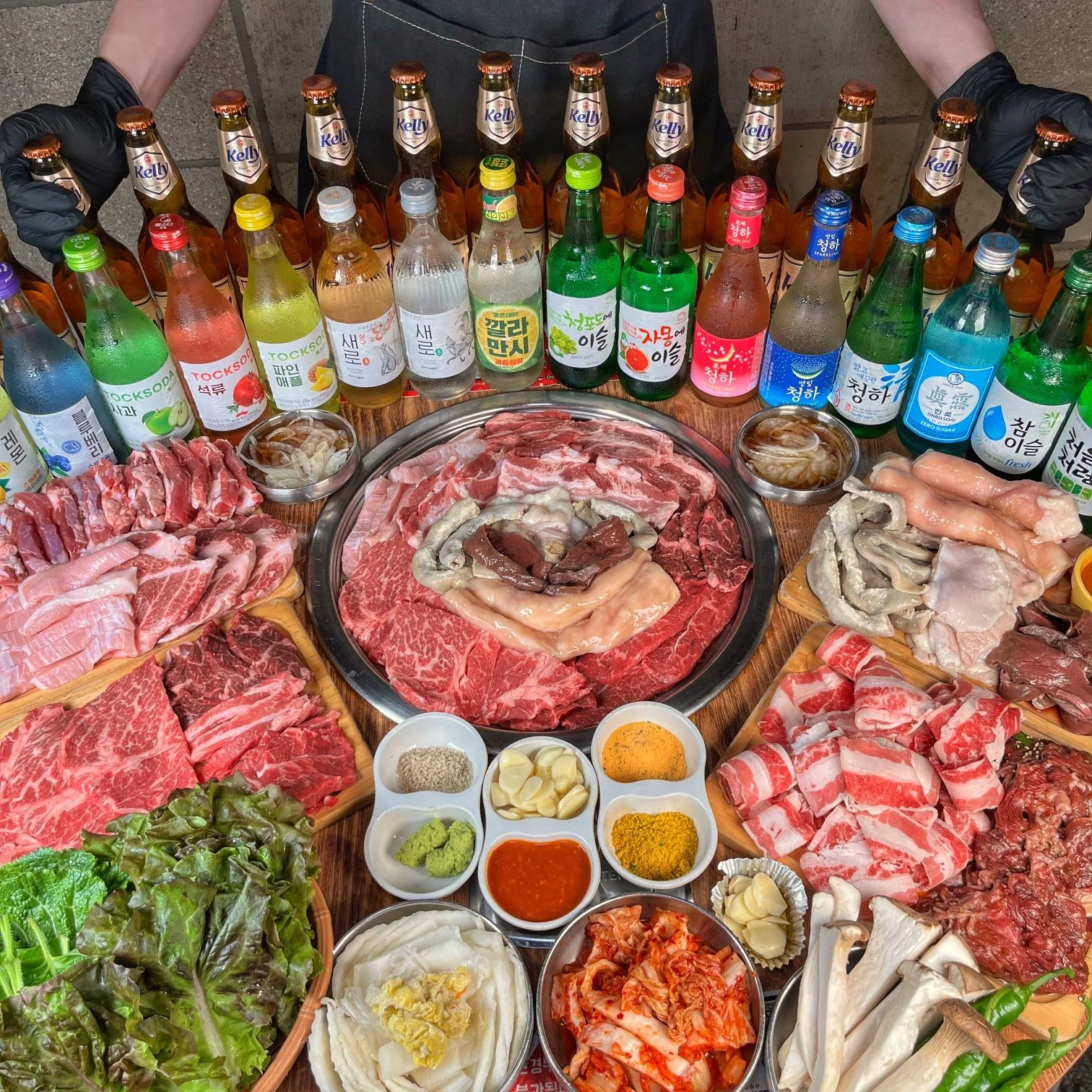
If you’re visiting South Korea for the first time, food will shape your memories more than almost anything else. As a Korean BBQ restaurant located in the heart of Myeongdong, we meet travelers from all over the world every day—many of them excited, curious, and slightly overwhelmed by how much there is to eat in Korea.
This guide is written from our perspective at Mongvely Korean BBQ. We’ve put together the core must-eat foods in South Korea that we most often recommend to first-time visitors, explained simply and honestly, so you know what to try, what to expect, and how these dishes fit into a typical Korean food journey.
If your trip is short, start with the dishes near the top. If you’re staying longer, use this as a roadmap.
Before You Eat in South Korea
Before diving into Korean food, here are a few things first-time visitors should know—based on what we see every day at Mongvely Korean BBQ:
Sharing is normal: Many dishes (especially BBQ and jokbal) are meant to be shared.
Side dishes are included: Banchan comes automatically and is usually refillable.
Spice levels vary: Not everything is spicy, but some dishes are hotter than they look.
Self-service is common: Water stations, kiosks, and tray returns are normal at casual spots.
Meals move quickly: Dining is efficient rather than slow and drawn-out.
You don’t have to choose one dish: Many meals are about combining flavors, not eating just one plate.
Knowing this makes eating in Korea much more enjoyable—and less confusing—especially on your first trip.
Korean BBQ (고기구이): Where Most First Trips Begin
For many of our guests, Korean BBQ is their very first proper meal in Korea—and for good reason. It’s interactive, social, and immediately gives you a sense of how Korean dining works.
At Korean BBQ, meat is grilled at the table and eaten with lettuce wraps, sauces, garlic, and a variety of side dishes called banchan. It’s not about one single flavor; it’s about combining textures and tastes in every bite.
Beef vs Pork: Do You Have to Choose?
One question we hear constantly is: beef or pork?
In Korea, both are equally important.
Beef cuts like brisket, short rib, and marinated bulgogi are rich and savory.
Pork, especially pork belly (samgyeopsal), is juicy, fatty, and deeply satisfying.
That’s why many visitors prefer restaurants where they don’t have to choose just one. At Mongvely, we offer both beef and pork in one meal, which is ideal for first-timers who want to experience the full range of Korean BBQ in a single visit.
Why Korean BBQ is a must-eat: It introduces you to Korean flavors, side dishes, and shared dining culture all at once.
➣ Read also : The Ultimate Guide to Korean BBQ in Myeongdong
Bibimbap (비빔밥): A Gentle Introduction to Korean Flavors
If Korean BBQ feels like a celebration, bibimbap feels like balance.
Bibimbap is a bowl of rice topped with seasoned vegetables, protein, chili paste, and sometimes a fried egg. Everything is mixed together before eating, creating a harmonious blend of flavors.
From our experience, bibimbap is one of the easiest dishes for first-time visitors to enjoy because:
The spice level is adjustable
The flavors are clean and not overwhelming
It’s filling without being heavy
You’ll find many variations across Korea, from beef bulgogi bibimbap to vegetable-forward versions served at traditional restaurants.
Why bibimbap is a must-eat: It shows how Korean cuisine balances vegetables, seasoning, and texture in one bowl.
Tteokbokki (떡볶이): Korea’s Everyday Street Food
Walk around Seoul for even a short time and you’ll likely see large pans of red sauce bubbling away. That’s tteokbokki, one of Korea’s most iconic street foods.
Tteokbokki is made from chewy rice cakes cooked in a spicy-sweet sauce, often with fish cake and boiled eggs. The texture surprises many first-time visitors—it’s much chewier than noodles or bread.
This is the kind of food Koreans grow up eating:
After school
Between shopping stops
Late at night with friends
Why tteokbokki is a must-eat: It’s affordable, everywhere, and deeply tied to everyday Korean life.
Korean Fried Chicken (치킨): Perfectly Crispy, Any Time of Day
Korean fried chicken has become famous worldwide, and once you try it in Korea, it’s easy to understand why.
What makes it different is the double-frying technique, which creates an ultra-crispy coating that stays crisp even when covered in sauce.
Popular flavors include:
Soy-garlic
Sweet and spicy
Plain crispy with dipping sauce
Fried chicken is often eaten late at night with beer, a pairing known as chimaek. Many visitors tell us this becomes their go-to comfort food after long sightseeing days.
Why fried chicken is a must-eat: It’s familiar yet completely different from Western fried chicken.
Naengmyeon (냉면): Cold Noodles That Surprise Everyone
Of all the dishes on this list, naengmyeon is usually the most unexpected.
Naengmyeon consists of chewy buckwheat noodles served in an icy cold broth or mixed with a spicy sauce. Ice cubes floating in soup often catch first-time visitors off guard.
In Korea, naengmyeon is commonly eaten:
In summer
After Korean BBQ, to refresh the palate
The flavor is light, tangy, and clean, and the long noodles are traditionally cut with scissors before eating.
Why naengmyeon is a must-eat: It shows how Korean cuisine uses temperature as part of flavor and experience.
Jjigae (찌개): The Comfort Food Koreans Eat Every Day
While visitors often focus on BBQ and street food, jjigae is what many Koreans eat regularly at home or for lunch.
Jjigae refers to Korean stews that are thicker and more intensely flavored than soups, always served bubbling hot with rice.
Common types include:
Kimchi jjigae (kimchi stew with pork or tuna)
Doenjang jjigae (soybean paste stew)
Sundubu jjigae (soft tofu stew)
If you want to understand Korean comfort food, jjigae is essential.
Why jjigae is a must-eat: It represents everyday Korean home-style cooking.
Jokbal (족발): Rich, Savory, and Surprisingly Balanced
Jokbal—braised pig’s trotters—may sound intimidating, but it’s one of Korea’s most popular late-night dishes.
The meat is slowly braised until tender, sliced thin, and eaten wrapped in lettuce with garlic, sauces, and vegetables. Despite its richness, it’s surprisingly balanced when eaten the traditional way.
Jokbal is usually shared, often enjoyed with friends and drinks in the evening.
Why jokbal is a must-eat: It highlights Korea’s love of communal dining and bold, savory flavors.
How We Recommend Eating These Foods as First-Timers
Based on what we see from our guests, this order works well:
First meals: Korean BBQ, bibimbap
Between sightseeing: Tteokbokki
Dinner or late night: Fried chicken or jokbal
After BBQ or on hot days: Naengmyeon
Anytime comfort: Jjigae
If you’re staying in areas like Myeongdong, many of these dishes are available within walking distance, making it easy to try several without overplanning.
A Few Things First-Time Visitors Should Know
From our daily interactions with international guests, here are a few tips that help:
Sharing is normal, especially at BBQ and jokbal restaurants
Self-service is common at casual spots (water stations, kiosks)
Meals move faster than in some Western countries
Spice levels vary, but many dishes can be adjusted
Knowing this makes dining in Korea much smoother.
Bringing It All Together
South Korean food isn’t just about individual dishes—it’s about how you eat them. Meals are shared, flavors are layered, and even the simplest foods have context and history behind them.
As a Korean BBQ restaurant in Myeongdong, we see firsthand how food helps visitors connect with Korea. Starting with these must-eat foods in South Korea gives first-time travelers a strong foundation—and from there, the rest of the food journey naturally follows.
If Korean BBQ is on your list (and for most first-timers, it is), we’re always happy to help you experience it properly—along with recommendations for what to try next as you explore Seoul.
Visit Us Now!
Mongvely Main Branch
Address: Myeongdong 8na-gil 9 3rd Floor
Opening Hours: 11:30 a.m. to 2:00 a.m.
➢ Link to Mongvely Main Branch
Mongvely 2nd Branch
Address: Myeongdong 3-gil 44 2nd Floor
Opening Hours: 11:30 a.m. to 2:00 a.m.
➢ Link to Mongvely Second Branch
Follow us on Instagram: @kbbqmongvely
