

Seoul Travel Guide: Best Things to Do, Where to Stay, What to Eat, and Local Tips
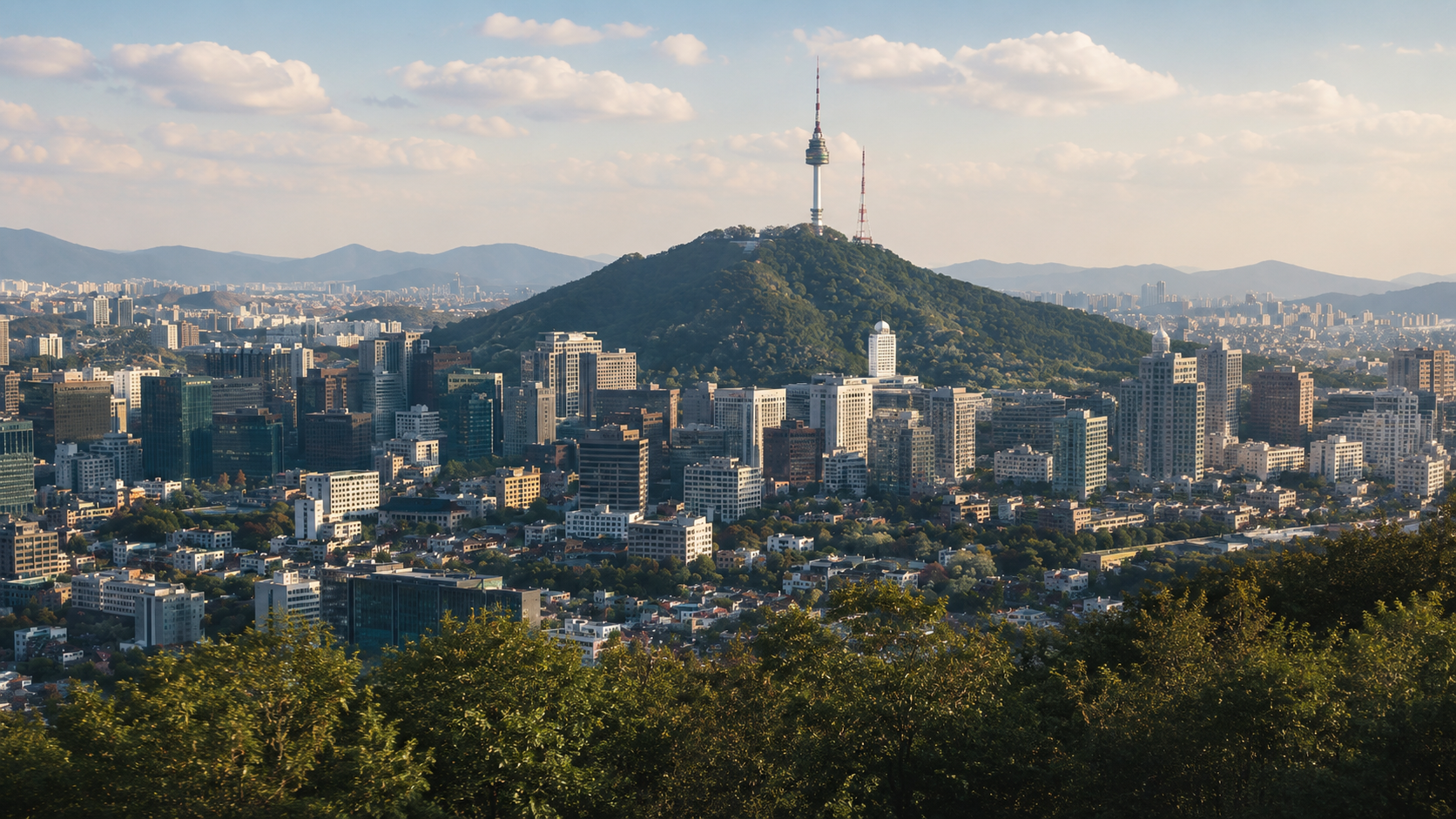
Seoul is a city that works best when you understand it by area, not only by attraction. It is easy to save a long list of places like Gyeongbokgung Palace, Bukchon Hanok Village, Myeongdong, Hongdae, Seongsu, Gangnam, N Seoul Tower, Gwangjang Market, and Hangang Park. The harder part is knowing how to connect them properly without wasting half the day on subway transfers, tired legs, or bad timing.
A good Seoul travel guide should not only tell you where to go. It should help you understand how the city moves. Seoul is fast, crowded, layered, convenient, and full of contrast. A palace can sit beside office towers. A quiet hanok alley can lead into a cafe street. A traditional market can be close to a futuristic design plaza. A shopping district can turn into a late-night food area after sunset.
This guide covers the best areas to stay, the must-visit places, what to eat, how to use transportation, how to plan your days, and what to avoid. It is written to help you enjoy Seoul in a practical way, not just collect photo spots.
Best Area to Stay in Seoul
Choosing where to stay in Seoul matters because the city is large. The subway is excellent, but transfers still take time. Staying in the right area can make your trip much smoother.
Myeongdong
Myeongdong is one of the most practical areas for a first Seoul base. It is central, easy to understand, full of hotels, close to shopping, and well connected to major places like Namsan, Seoul Station, City Hall, Euljiro, Cheonggyecheon, and Jongno.
Myeongdong is especially convenient if your plan includes beauty shopping, street food, Korean BBQ, department stores, N Seoul Tower, and central sightseeing. It is not the quietest area, but it is one of the easiest.
Hongdae
Hongdae is best for nightlife, casual food, cafes, street energy, photo booths, fashion shops, and a younger atmosphere. It is a good choice if you want evenings to feel lively and do not mind crowds.
Hongdae is also convenient for western Seoul areas and airport railway access, depending on your route. The downside is that it is farther from some classic palace and central Seoul routes.
Jongno and Anguk
Jongno, Anguk, and nearby areas are excellent for palaces, hanok villages, traditional streets, tea houses, galleries, and older Seoul atmosphere. If your priority is Gyeongbokgung, Changdeokgung, Bukchon, Insadong, Ikseon-dong, and Cheonggyecheon, this area makes sense.
It is a calmer and more cultural base than Myeongdong or Hongdae, though nightlife and late shopping may feel more limited.
Gangnam
Gangnam is modern, polished, and spread out. It is useful for COEX, Apgujeong, Sinsa, Garosu-gil, Seongsu access, Jamsil, business districts, clinics, shopping, and modern restaurants.
However, Gangnam is not always the best base if most of your plans are in central Seoul. Travel time can add up quickly.
How Many Days Do You Need in Seoul?
Three days is enough for a basic Seoul trip. Five days is better. Seven days lets you enjoy the city without rushing.
A three-day trip should focus on the main highlights: palaces, hanok streets, Myeongdong, Namsan, Cheonggyecheon, a market, one modern shopping area, and one river or cafe neighborhood.
A five-day trip can add Hongdae, Seongsu, Seoul Forest, COEX, Gangnam, Jamsil, Seoul Sky, and more relaxed food plans.
A seven-day trip gives enough space for slower mornings, cafe hopping, museums, shopping, day trips, and weather changes.
The biggest mistake is trying to see all of Seoul in two or three days. You can cover many famous places, but you will not enjoy them properly if every day becomes a race.
Best Things to Do in Seoul
1. Visit Gyeongbokgung Palace
Gyeongbokgung Palace is one of Seoul’s most important historic landmarks and a strong place to start. It gives a clear first impression of royal Korean architecture, wide palace grounds, mountain views, and the scale of old Seoul.
Go in the morning if possible. The area feels calmer, the light is better, and it is easier to connect with nearby places like Gwanghwamun, Bukchon, Insadong, and Seochon.
Do not treat the palace as only a photo location. Walk through the gates, look at the courtyards, and give yourself enough time to understand the space.
2. Walk Through Bukchon Hanok Village
Bukchon Hanok Village is known for traditional Korean houses, narrow streets, tiled roofs, and views that show old Seoul beside the modern city. It is one of the most recognizable areas in Seoul, but it is also a residential neighborhood, so walk quietly and respectfully.
Bukchon pairs naturally with Gyeongbokgung, Changdeokgung, Anguk, Insadong, and Ikseon-dong. Wear comfortable shoes because the streets are sloped.
The best time to visit is usually morning or late afternoon. Midday can feel crowded and bright, especially in warmer months.
3. Explore Insadong and Ikseon-dong
Insadong is a good area for traditional crafts, tea houses, ceramics, calligraphy goods, galleries, and Korean-style gifts. It has a slower mood than Myeongdong or Hongdae and works well after a palace visit.
Ikseon-dong is nearby and feels more modern despite its hanok-style streets. It is full of cafes, restaurants, dessert shops, small stores, and narrow alleys. It is better for atmosphere than major sightseeing.
A strong route is Gyeongbokgung in the morning, Bukchon late morning, Insadong for tea or shopping, and Ikseon-dong for a cafe or meal.
4. Shop and Eat in Myeongdong
Myeongdong is one of Seoul’s easiest districts for shopping, beauty products, street food, hotels, and restaurants. It is bright, crowded, and practical.
This is where many people buy skincare, cosmetics, masks, snacks, clothes, souvenirs, and travel essentials. Myeongdong is also close to Namsan, Cheonggyecheon, Euljiro, City Hall, and Seoul Station, which makes it useful at the end of a long day.
Myeongdong is best in the late afternoon and evening. The lights, food stalls, shops, and crowds give the area its full energy after sunset.
5. Go Up to N Seoul Tower
N Seoul Tower on Namsan is one of the classic Seoul views. It is worth visiting if you want to see the city from above and understand how Seoul spreads between mountains, roads, apartments, towers, and the river.
The timing matters. Late afternoon and evening are usually better than midday. The view feels softer before sunset, and the city lights are better at night.
A practical route is Myeongdong shopping first, Namsan later, then dinner back in Myeongdong or nearby.
6. Walk Along Cheonggyecheon Stream
Cheonggyecheon is a stream running through downtown Seoul. It is one of the easiest walking breaks in the city center because it connects areas like Gwanghwamun, Jongno, Euljiro, and Myeongdong.
You do not need to walk the entire stream. A short section is enough. It is especially nice in the evening when the lights reflect on the water and the streets above feel busier than the path below.
Cheonggyecheon is useful when you want a quiet pause between shopping, sightseeing, and dinner.
7. Eat at Gwangjang Market
Gwangjang Market is one of Seoul’s most famous traditional food markets. It is known for dishes like bindaetteok, mayak gimbap, kalguksu, dumplings, jeon, and other Korean market foods.
The market is busy and direct. Seats can be tight, menus move quickly, and the atmosphere can feel intense. That is part of the experience.
Do not go expecting a slow restaurant meal. Go to taste a few things, enjoy the market energy, and then continue toward Jongno, Cheonggyecheon, or Dongdaemun.
8. Visit Dongdaemun Design Plaza
Dongdaemun Design Plaza, usually called DDP, is one of Seoul’s most recognizable modern buildings. Its curved design, exhibition spaces, night views, and connection to Dongdaemun’s fashion district make it a good modern contrast to palaces and markets.
DDP works well after Gwangjang Market or Cheonggyecheon. It is also good in the evening because the building looks more dramatic with lighting.
If the weather is bad, check exhibitions or indoor areas nearby instead of forcing outdoor plans.
9. Spend Time in Hongdae
Hongdae is energetic, casual, and loud in the best way. It is known for fashion, cafes, music, street performances, bars, photo booths, accessories, and casual restaurants.
Afternoon Hongdae is good for shopping and cafes. Evening Hongdae is better for nightlife and street energy. Weekends can be crowded, so weekday visits are easier if you want a less packed experience.
Hongdae is not the place to look for traditional Seoul. It is where you go for youthful, modern, casual Seoul.
10. Explore Seongsu and Seoul Forest
Seongsu has become one of Seoul’s strongest cafe, fashion, pop-up, and lifestyle neighborhoods. Old industrial spaces have been turned into cafes, showrooms, bakeries, and concept stores.
Seoul Forest is nearby and gives the area balance. Start with a walk in the park, then move into Seongsu for cafes and shops. Or do Seongsu first and use Seoul Forest as a slower ending.
This area is best when you leave time to wander. Do not plan only one cafe and leave. The point of Seongsu is discovering small places as you walk.
11. Visit the Han River
The Han River, or Hangang, is part of everyday Seoul life. People go there to walk, cycle, picnic, eat ramyeon, watch sunsets, and sit by the water.
Yeouido Hangang Park is one of the easiest river areas to understand. Banpo is popular for night views and bridge scenery. Ttukseom works well with Seongsu. Nanji feels more spacious and relaxed.
The Han River is best in the late afternoon or evening. Midday can be too hot in summer, and winter wind can be strong. Bring water, check the weather, and do not plan a long river walk if the conditions are uncomfortable.
12. Visit COEX, Starfield Library, and Bongeunsa
COEX is a large indoor complex in Gangnam with shopping, restaurants, exhibitions, and Starfield Library. It is especially useful for rainy days, hot days, or cold days.
Starfield Library is one of the most photographed indoor spaces in Seoul, with tall bookshelves and an open public atmosphere. Nearby Bongeunsa Temple gives a completely different mood: quiet, traditional, and calm beside modern Gangnam.
This area works best as a half-day Gangnam plan. Do not cross the city just for a quick photo unless you already have other Gangnam plans.
13. Go to Jamsil, Seoul Sky, and Seokchon Lake
Jamsil is home to Lotte World Tower, Seoul Sky, Lotte World Mall, and Seokchon Lake. Seoul Sky is one of the best observatory experiences in the city when the weather is clear.
Seokchon Lake is a good walking spot beside the tower. It is especially famous during cherry blossom season, but it works year-round as a short break from the mall and city streets.
Jamsil is better as a half-day plan than a quick stop. Combine Seoul Sky, Lotte World Mall, and Seokchon Lake for a route that makes sense.
What to Eat in Seoul
Food is one of the strongest reasons to enjoy Seoul properly. The city has everything from market snacks to premium dining, but a good first Seoul food plan should include a balance of casual food, shared meals, and comforting Korean dishes.
Korean BBQ
Korean BBQ is one of the most important meals to try in Seoul. It usually means grilling beef or pork at the table and eating it with banchan, sauces, lettuce wraps, garlic, rice, soup, and noodles.
A good Korean BBQ meal is not only about meat. The side dishes, sauces, vegetables, and pacing all matter. Try the meat simply first, then eat it with ssamjang, lettuce, kimchi, pickled radish, or garlic.
➣ READ ALSO : The Ultimate Guide to Korean BBQ in Seoul
Cold Noodles
Naengmyeon, or cold noodles, is especially good in summer or after grilled meat. Mul-naengmyeon is served in cold broth, while bibim-naengmyeon is spicy and mixed.
Cold noodles are refreshing and help balance heavier foods like BBQ.
➣ READ ALSO : Warmer Weather in Seoul: Why Cold Noodles Are Perfect
Market Food
Gwangjang Market, Namdaemun Market, and other local markets are good places to try Korean snacks and casual dishes. Bindaetteok, dumplings, gimbap, noodles, hotteok, tteokbokki, and fish cake are common choices.
Market food is best when you try a few small things instead of forcing a full meal from one stall.
Cafe and Dessert Culture
Seoul has a serious cafe culture. Areas like Seongsu, Hongdae, Yeonnam, Hannam, Ikseon-dong, and Garosu-gil are full of cafes, bakeries, dessert shops, and concept spaces.
Cafes are not only for coffee. They are rest stops, photo spots, planning breaks, phone-charging stops, and weather escapes.
Convenience Store Food
Convenience stores are part of Seoul food culture. You can buy triangle gimbap, ramyeon, drinks, snacks, lunch boxes, ice cream, protein drinks, and seasonal items.
Hangang ramyeon is one of the most famous convenience-store food experiences: instant ramyeon cooked with a machine and eaten near the Han River.
How to Get Around Seoul
The Seoul subway is usually the easiest way to move around. It is clean, reliable, and well connected. For most routes, subway is better than taxi because Seoul traffic can be slow during peak hours.
Use a transportation card and top it up at convenience stores or subway stations. Use local map apps rather than assuming every international map app will work perfectly for walking routes and public transportation.
Buses are useful, but the subway is easier to understand at first. Taxis are convenient late at night or when carrying luggage, but traffic and distance can affect price and time.
The best tip is to group your day by area. Seoul’s subway is good, but that does not mean you should cross the city five times in one day.
Best Seoul Itinerary for 3 Days
Day 1: Historic Seoul and Myeongdong
Start at Gyeongbokgung Palace, walk through Bukchon Hanok Village, then continue to Insadong and Ikseon-dong. In the late afternoon, walk part of Cheonggyecheon, then move to Myeongdong for shopping, street food, and dinner.
This is the best first-day route because it combines history, hanok streets, traditional shops, city walking, and central food.
Day 2: Market, Design, and Night View
Start at Gwangjang Market for lunch or late breakfast. Continue to Dongdaemun Design Plaza, then move toward Namsan Seoul Tower in the late afternoon or evening.
End around Myeongdong or Euljiro for dinner. This route keeps the day central and avoids unnecessary transfers.
Day 3: Seongsu, Seoul Forest, and Hangang
Start at Seoul Forest, then walk into Seongsu for cafes, pop-ups, shopping, and dessert. In the evening, go to Ttukseom or another Hangang park for river views.
This day gives you modern Seoul, cafe culture, green space, and the Han River in one route.
Best Seoul Itinerary for 5 Days
For five days, add a Gangnam and Jamsil day.
Spend one day at COEX, Starfield Library, Bongeunsa Temple, Seoul Sky, Lotte World Mall, and Seokchon Lake. This gives you indoor shopping, city views, temple contrast, and a more modern side of Seoul.
Use the extra day for Hongdae, Yeonnam, Mangwon, or a slower shopping and cafe route. This helps balance the classic attractions with neighborhoods people actually enjoy spending time in.
Practical Seoul Travel Tips
Do not overpack the day. Seoul looks compact on a map, but transfers, walking, stairs, weather, crowds, and meal times can make the day feel longer.
Wear comfortable shoes. Seoul involves more walking than expected, especially in subway stations, palace grounds, market streets, and shopping districts.
Check the weather every morning. Seoul changes a lot by season. Summer is hot and humid, winter can be cold and dry, spring and autumn are better for walking, and rainy days require flexible indoor plans.
Plan meals properly. It is easy to snack all day in Seoul, but a proper sit-down dinner makes the day much better.
Do not rely only on viral places. Some are worth it, but long lines can ruin your schedule. Build your day around areas, not only individual famous shops.
Where to Eat After a Full Seoul Day
After walking through palaces, markets, shopping streets, river parks, or night-view spots, it is better to sit down for a proper meal. If your route ends around Myeongdong, Mongvely is a convenient all-you-can-eat Korean BBQ option with beef, pork, banchan, sauces, vegetables, lettuce wraps, table grilling, and an in-store Hangang-style ramen machine.
Mongvely has a main branch near Myeongdong Station and a second branch near Euljiro 1-ga Station. It is open daily from 11:30 AM to 2:00 AM, which makes it useful after shopping, Namsan, Cheonggyecheon, hotel check-in, or late central Seoul plans.
FAQ: Seoul Travel Guide
What is the best area to stay in Seoul?
Myeongdong is one of the most practical areas for a first Seoul trip because it is central, convenient for shopping and food, and close to Namsan, Cheonggyecheon, City Hall, Seoul Station, and Jongno.
How many days do you need in Seoul?
Three days is enough for the main highlights, five days is better for a balanced trip, and seven days allows a slower pace with shopping, cafes, museums, and day trips.
What are the must-visit places in Seoul?
Must-visit places include Gyeongbokgung Palace, Bukchon Hanok Village, Insadong, Ikseon-dong, Myeongdong, N Seoul Tower, Cheonggyecheon, Gwangjang Market, DDP, Hongdae, Seongsu, Seoul Forest, Hangang, COEX, Starfield Library, Bongeunsa, Seoul Sky, and Seokchon Lake.
Is Seoul easy to get around?
Yes. Seoul has a strong subway system, and most major areas are connected by public transportation. The main challenge is planning routes properly so you do not waste time crossing the city too often.
What food should I try in Seoul?
Try Korean BBQ, cold noodles, market food, tteokbokki, gimbap, ramyeon, Korean fried chicken, soybean paste stew, bingsu, cafe desserts, and convenience-store snacks.
What is the best Seoul itinerary for 3 days?
A good 3-day Seoul itinerary includes historic central Seoul on Day 1, markets and night views on Day 2, and Seongsu, Seoul Forest, and Hangang on Day 3.
Is Myeongdong worth visiting?
Yes. Myeongdong is worth visiting for beauty shopping, street food, restaurants, hotels, central transportation, and night atmosphere.
When is the best time to visit Seoul?
Spring and autumn are the most comfortable seasons for walking. Summer is hot and humid, while winter is cold but still manageable with the right clothing.
What should I avoid in Seoul?
Avoid planning too many far-apart neighborhoods in one day, wearing uncomfortable shoes, skipping proper meals, relying only on viral places, and ignoring the weather.
Where should I eat Korean BBQ in Myeongdong?
Mongvely is an all-you-can-eat Korean BBQ restaurant in Myeongdong with beef, pork, banchan, sauces, vegetables, table grilling, and an in-store Hangang-style ramen machine.
Visit Us Now!
Mongvely Main Branch
Address: Myeongdong 8na-gil 9 3rd Floor
Opening Hours: 11:30 a.m. to 2:00 a.m.
Mongvely 2nd Branch
Address: Myeongdong 3-gil 44 2nd Floor
Opening Hours: 11:30 a.m. to 2:00 a.m.
Follow us on Instagram: @kbbqmongvely
