

Korean BBQ in Seoul: 9 Tips to Know Before Visiting Seoul
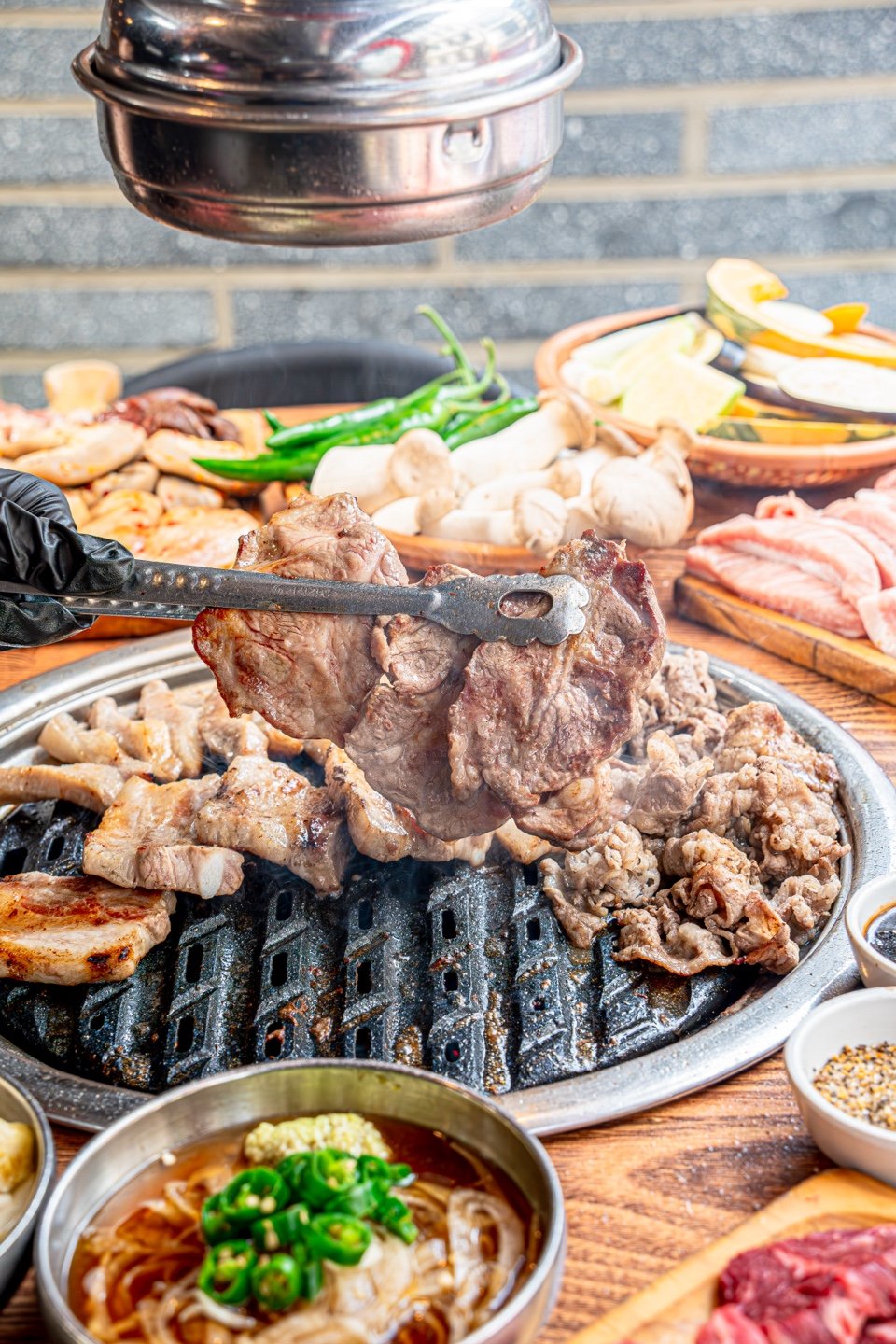
Korean BBQ in Seoul is one of the best food experiences to plan before arriving in the city. It is interactive, social, filling, and very different from sitting down for a regular plated meal. Instead of ordering one dish per person, Korean BBQ usually means grilling meat at the table, eating it with banchan, wrapping it in lettuce, dipping it in sauces, and sharing the meal together.
But Korean BBQ can also feel confusing the first time. There may be different meat cuts, different sauces, side dishes you do not recognize, staff moving quickly, hot grills at the table, and menus with terms like samgyeopsal, galbi, hanwoo, bulgogi, ssamjang, naengmyeon, doenjang jjigae, and all-you-can-eat. If you understand a few basics before visiting Seoul, the whole experience becomes much easier.
This guide explains 10 practical Korean BBQ tips to know before visiting Seoul. It covers what Korean BBQ is, how to choose a restaurant, how much to order, what to do with banchan, how to make lettuce wraps, what sauces to use, when to eat, how to avoid common mistakes, and how to enjoy the meal without feeling lost.
Whether your plan is Myeongdong, Hongdae, Gangnam, Jongno, Seongsu, or another Seoul neighborhood, these tips will help you enjoy Korean BBQ in Seoul with more confidence.
What Is Korean BBQ in Seoul?
Korean BBQ is a Korean dining style where meat is grilled at the table. The grill may be built into the table or placed on top of it. Depending on the restaurant, the meat may be beef, pork, chicken, intestines, or a mix of different cuts.
The main point is not only the meat. A proper Korean BBQ meal includes grilled meat, banchan, vegetables, sauces, garlic, lettuce wraps, rice, soup, noodles, and drinks. The table is meant to feel full, shared, and active.
In Seoul, Korean BBQ restaurants can be casual, premium, traditional, modern, late-night, all-you-can-eat, or focused on specific cuts. Some specialize in pork belly. Some focus on beef. Some are famous for hanwoo. Some are budget-friendly. Some are designed for groups. Some are better for late-night meals after shopping, drinking, or sightseeing.
The best Korean BBQ in Seoul depends on what kind of meal you want. A premium hanwoo restaurant is different from an all-you-can-eat BBQ restaurant. A pork belly restaurant in Hongdae feels different from a beef BBQ restaurant in Myeongdong. A late-night BBQ place has a different purpose from a special occasion restaurant.
Before choosing where to eat, it helps to understand the basics.
9 Tips for Korean BBQ in Seoul
1. Know the Difference Between Pork BBQ, Beef BBQ, and All-You-Can-Eat BBQ
The first tip is to understand that Korean BBQ is not one fixed experience. The restaurant type matters.
Pork BBQ is usually centered around cuts like samgyeopsal, which is pork belly, and moksal, which is pork neck. Pork BBQ is rich, savory, and casual. It pairs well with kimchi, garlic, ssamjang, lettuce wraps, and soybean paste stew. Pork BBQ is one of the most common and approachable styles in Seoul.
Beef BBQ can range from affordable cuts to premium hanwoo. Beef is often more expensive than pork, especially if it is Korean hanwoo. Beef BBQ may include ribs, short plate, brisket, sirloin, marinated beef, or other cuts. Some beef cuts cook very quickly, so timing matters more.
All-you-can-eat Korean BBQ is a good choice when you want variety and a filling meal. It usually lets you try multiple cuts for a fixed price. Some all-you-can-eat restaurants offer beef and pork together, while others focus on pork. The quality and menu vary by restaurant, so check what is included before sitting down.
If your goal is to experience different meats without worrying too much about ordering each cut separately, all-you-can-eat BBQ can be very convenient. If your goal is premium beef, a specialized hanwoo restaurant may be better. If your goal is a casual local-style meal, pork belly BBQ is always a strong choice.
2. Learn the Basic Korean BBQ Words Before You Go
You do not need to memorize a full Korean menu, but knowing a few words makes ordering much easier.
Samgyeopsal means pork belly. It is one of the most famous Korean BBQ cuts.
Moksal means pork neck. It is meatier and less fatty than pork belly.
Galbi usually means ribs. It can be beef or pork, often marinated.
Bulgogi is thinly sliced marinated beef, usually sweet-savory.
Chadolbaegi is thinly sliced beef brisket that cooks quickly.
Hanwoo means Korean beef. It is usually more expensive and considered premium.
Banchan means side dishes.
Ssam means wrap, usually lettuce or leafy greens wrapped around meat and sauce.
Ssamjang is a thick Korean dipping sauce often used in lettuce wraps.
Doenjang jjigae is soybean paste stew.
Naengmyeon is cold noodles, often eaten after or with BBQ.
These words are useful because Korean BBQ menus often include Korean terms even when there is English translation. Knowing the basics helps you understand what kind of meal you are ordering.
3. Understand That Banchan Is Part of the Meal
➣ READ ALSO : What Is Banchan? The Complete Guide to Korean Side Dishes at Mongvely
One of the biggest mistakes people make with Korean BBQ is treating banchan like random decoration. Banchan is part of the meal.
Banchan refers to Korean side dishes served with the main food. At a BBQ restaurant, banchan may include kimchi, white kimchi, pickled radish, seasoned bean sprouts, garlic, lettuce, onions, sauces, salad, or other small dishes depending on the restaurant.
These side dishes balance the meat. Grilled meat is rich and savory. Banchan adds acidity, freshness, spice, crunch, and contrast. A piece of pork belly with kimchi tastes different from pork belly with pickled radish. Beef with salt and sesame oil tastes different from beef in a lettuce wrap with ssamjang and garlic.
Do not ignore the side dishes. Try them with the meat. Korean BBQ becomes much better when you use the full table, not only the grill.
In many Korean BBQ restaurants, some banchan can be refilled. In self-service restaurants, you may need to refill them yourself. Take what you can finish and avoid wasting food.
4. Learn How to Make a Good Lettuce Wrap
➣ READ ALSO : The Ssam Culture of Korea: A Complete Guide to the Art of Wrapping Korean BBQ
A lettuce wrap, or ssam, is one of the most important parts of Korean BBQ. It is simple, but there is a right way to think about it.
Start with a lettuce leaf or another leafy vegetable. Add one piece of grilled meat. Add a small amount of ssamjang. Add garlic if you like it. Add kimchi, pickled radish, or another side dish if it fits. Fold the wrap into a bite-sized piece and eat it in one bite if possible.
The key is balance. Do not overload the wrap until it becomes impossible to eat. A good ssam should have meat, sauce, freshness, and crunch in one bite.
Also, do not use too much ssamjang. It is salty and strong. A small amount is enough. The sauce should support the meat, not cover it completely.
For richer pork cuts, lettuce wraps are especially useful because the vegetables and pickles make the meal feel less heavy. For beef, you may want to try the meat first with only salt or sesame oil before adding stronger sauces.
5. Know Which Sauces Go With Which Meats
➣ READ ALSO : How to Eat Korean BBQ: Sauce Pairing Guide at Mongvely
Korean BBQ sauces can change the entire meal. Some restaurants provide only a few sauces, while others offer many options.
The most common sauce is ssamjang, a thick paste often made with soybean paste, red pepper paste, garlic, sesame oil, and seasoning. It is commonly used in lettuce wraps and pairs especially well with pork.
Another common option is sesame oil with salt, which is simple and works well with beef and pork. It lets the meat flavor stay clear while adding richness and salt.
Some restaurants provide onion sauce, garlic sauce, mustard, curry powder, cheese powder, cumin powder, spicy sauces, or other seasonings. These can be fun, especially at all-you-can-eat restaurants where people want variety.
A good rule is this: start simple, then add stronger flavors later.
Try the first bite of meat with salt or sesame oil. Then try ssamjang. Then try it in a lettuce wrap. Then experiment with other sauces. This way, you understand the meat before covering it with too many flavors.
6. Do Not Overcook the Meat
Korean BBQ is cooked at the table, so timing matters. If the meat sits too long on the grill, it becomes dry, tough, or burnt.
Pork should be cooked thoroughly, but that does not mean it should be left until it becomes hard. Pork belly should be golden and crisp on the edges, but still juicy. Pork neck should be cooked through but not dried out.
Thin beef slices cook very quickly. Brisket can be ready in seconds. Marinated meat can burn faster because of the sugar in the marinade. Thicker beef cuts may need more attention, but they still should not be ignored.
If staff are cooking for you, let them handle the timing. If the restaurant is self-grill, watch the meat carefully. Turn pieces when needed, move cooked meat to the side, and eat while it is hot.
The grill is not a storage plate. Once the meat is ready, eat it.
7. Order Cold Noodles or Stew With the Meal
Korean BBQ is better when you include something beyond meat. Two of the best additions are cold noodles and soybean paste stew.
Naengmyeon, or cold noodles, is especially good with grilled meat. Mul-naengmyeon is served in cold broth and feels refreshing. Bibim-naengmyeon is spicy and mixed without much broth. Both work well after eating rich meat.
Some people like to wrap grilled meat around cold noodles in one bite. This gives a strong contrast between hot meat and cold noodles.
Doenjang jjigae, or soybean paste stew, is another classic BBQ side. It is hot, savory, and comforting. It works especially well with rice and grilled meat. The stew helps the meal feel complete rather than only meat-heavy.
If you are eating Korean BBQ in Seoul for the first time, do not skip noodles or stew just because the meat looks like the main event. The full meal is more satisfying when you include something hot, cold, fresh, and rich together.
8. Choose the Right Time to Eat Korean BBQ in Seoul
Timing can change your Korean BBQ experience.
Dinner is the most popular time, especially from around 6 PM to 8 PM. Popular restaurants can have waiting lines during this window. If you dislike waiting, go earlier or later.
Late-night Korean BBQ is also common in Seoul, especially in busy districts like Myeongdong, Hongdae, Gangnam, Euljiro, and Jongno. After shopping, drinking, walking, or arriving late, BBQ can be a proper sit-down meal when lighter snacks are not enough.
Lunch BBQ can be easier because restaurants may be less crowded, though not every BBQ restaurant feels as active during lunch. Some places also have lunch sets or simpler menus.
If your schedule is packed, do not leave dinner planning too late. Korean BBQ takes time. You need time to order, cook, eat, refill sides, and enjoy the meal. It is not the best choice when you only have 20 minutes.
For a relaxed Korean BBQ meal, plan at least 90 minutes. If you are eating all-you-can-eat BBQ or going with a group, allow closer to two hours.
9. Pick the Area Based on Your Seoul Route
Seoul is large, so area choice matters. Korean BBQ is everywhere, but the best location is the one that fits the rest of your day.
Myeongdong is practical for shopping, hotels, beauty stores, street food, Namsan, Cheonggyecheon, and central Seoul routes. It is a strong area for dinner after a full day because restaurants, transport, and hotels are close together.
Hongdae is better for a younger, louder, more casual night. BBQ there pairs well with shopping, cafes, music, bars, and nightlife.
Gangnam is good for polished restaurants, modern dining, and plans around COEX, Apgujeong, Sinsa, or Jamsil.
Jongno and Euljiro are good for older food streets, local-style dining, late-night meals, and a more downtown Seoul atmosphere.
Seongsu is good if your day is built around cafes, pop-ups, Seoul Forest, and modern lifestyle shops.
The mistake is choosing a restaurant far from your route because of one recommendation. Seoul transfers can take longer than expected, especially during rush hour or after a tiring day. Pick a BBQ area that supports your day instead of making the meal difficult.
How to Enjoy Korean BBQ in Seoul Without Feeling Lost
Korean BBQ is easy once you understand the rhythm.
You sit down, choose your meat or course, prepare your sauces and side dishes, grill the meat, eat it with banchan, make lettuce wraps, order rice, noodles, or stew, and take your time. It is supposed to feel active. You are not just waiting for food to arrive; you are part of the meal.
Do not worry too much about doing everything perfectly. Korean BBQ is flexible. Some people eat meat with rice. Some prefer lettuce wraps. Some like lots of garlic. Some focus on sauces. Some eat cold noodles at the end. Some eat noodles with the meat.
The important thing is to pay attention to balance. If the meat feels heavy, eat kimchi or pickled radish. If the flavor feels too strong, eat lettuce or rice. If you want something refreshing, order cold noodles. If you want comfort, add stew or ramen.
A good Korean BBQ meal should not feel like only grilled meat. It should feel like a full Korean table.
Common Mistakes to Avoid at Korean BBQ in Seoul
One common mistake is ordering too much too quickly. If you are at an à la carte restaurant, start with a reasonable amount and add more later. Meat tastes better when it is cooked and eaten fresh.
Another mistake is filling up on side dishes before the meat is ready. Banchan is important, but it is meant to support the meal. Try it, but leave room.
A third mistake is putting every sauce and side dish into one wrap. This makes the flavors messy. Build cleaner bites so you can actually taste the meat.
A fourth mistake is leaving cooked meat on the grill too long. Move it aside or eat it while it is hot.
A fifth mistake is planning Korean BBQ when everyone is already exhausted. BBQ is fun, but it requires time and attention. If the day is long, choose a restaurant close to your hotel or final stop.
A sixth mistake is assuming all Korean BBQ restaurants work the same way. Some staff grill the meat. Some expect you to grill it yourself. Some have self-service bars. Some have time limits. Some require minimum orders. Read the menu and restaurant rules before starting.
Why Korean BBQ in Seoul Is Worth Planning For
Korean BBQ in Seoul is worth planning because it combines food, culture, and atmosphere in one meal. It is not only about eating meat. It shows how Korean dining often works: shared dishes, small side plates, sauces, vegetables, rice, soup, alcohol, conversation, and cooking together.
It is also one of the easiest Korean meals to adapt to different preferences. People who love meat can focus on grilled beef or pork. People who want balance can eat lettuce wraps and banchan. People who like noodles can add naengmyeon or ramen. People who want a filling meal can choose all-you-can-eat. People who want premium quality can choose hanwoo.
This flexibility is why Korean BBQ remains one of the most popular meals in Seoul.
Where Mongvely Fits Into a Seoul Korean BBQ Plan
If your Seoul route ends around Myeongdong, Mongvely is a convenient all-you-can-eat Korean BBQ option near the center of the city. It offers beef, pork, banchan, sauces, vegetables, lettuce wraps, and table grilling, with a main branch near Myeongdong Station and a second branch near Euljiro 1-ga Station.
Mongvely also has a Hangang-style ramen machine in-store, so guests can cook ramen as part of the meal. This makes it a practical choice after shopping, Namsan, Cheonggyecheon, hotel check-in, or a late night in central Seoul.
Mongvely is open daily from 11:30 AM to 2:00 AM, which helps when dinner plans run later than expected.
Final Thoughts: Korean BBQ in Seoul
Korean BBQ in Seoul is one of the meals worth understanding before your trip begins. It is more enjoyable when you know the difference between pork, beef, and all-you-can-eat BBQ; when you understand banchan and sauces; when you know how to make a lettuce wrap; and when you choose the right area for your day.
The best Korean BBQ experience is not about finding one perfect restaurant. It is about matching the meal to your route, timing, budget, and appetite. Choose wisely, eat slowly, use the side dishes, try the sauces, do not overcook the meat, and leave room for noodles or stew.
Seoul has many foods worth trying, but Korean BBQ is one of the clearest ways to experience the city’s shared dining culture. It is warm, active, flexible, and satisfying. Done properly, it becomes more than dinner. It becomes one of the meals you remember.
FAQ: Korean BBQ in Seoul
What is Korean BBQ in Seoul?
Korean BBQ in Seoul is a dining style where meat is grilled at the table and eaten with banchan, sauces, vegetables, lettuce wraps, rice, soup, and noodles.
What should I know before eating Korean BBQ in Seoul?
You should know the basic meat cuts, how banchan works, how to make lettuce wraps, which sauces to try, how not to overcook meat, and which Seoul area fits your route.
What is the best Korean BBQ area in Seoul?
Myeongdong is practical for central Seoul, shopping, hotels, and late-night food. Hongdae is good for nightlife and casual dining. Gangnam is good for modern restaurants. Jongno and Euljiro are good for downtown food culture.
Is Korean BBQ expensive in Seoul?
It depends on the restaurant. Pork BBQ is usually more affordable than premium beef or hanwoo. All-you-can-eat Korean BBQ can be a good value if you want variety and a filling meal.
What is all-you-can-eat Korean BBQ?
All-you-can-eat Korean BBQ is a fixed-price BBQ style where guests can enjoy refills of selected meats and side dishes within the restaurant’s rules.
What is banchan?
Banchan means Korean side dishes. At Korean BBQ restaurants, banchan may include kimchi, pickled radish, bean sprouts, lettuce, garlic, sauces, and other small dishes.
Do staff cook the meat at Korean BBQ restaurants?
It depends on the restaurant. Some staff cook the meat for you, while others expect guests to grill the meat themselves. Self-service and all-you-can-eat restaurants often require more table grilling.
How long does Korean BBQ take?
A relaxed Korean BBQ meal usually takes around 90 minutes. All-you-can-eat BBQ or group meals can take closer to two hours.
What time should I eat Korean BBQ in Seoul?
Dinner is the most popular time, especially from 6 PM to 8 PM. For fewer waits, eat earlier or later. Late-night Korean BBQ is also common in busy Seoul areas.
Is Korean BBQ good for groups?
Yes. Korean BBQ is one of the best meals for groups because the food is shared and cooked at the table.
Can I eat Korean BBQ late at night in Seoul?
Yes. Some Korean BBQ restaurants in busy areas stay open late. Mongvely in Myeongdong is open daily from 11:30 AM to 2:00 AM.
Where can I eat Korean BBQ in Myeongdong?
Myeongdong has many Korean BBQ options. Mongvely is an all-you-can-eat Korean BBQ restaurant with a main branch near Myeongdong Station and a second branch near Euljiro 1-ga Station.
Does Mongvely have ramen?
Yes. Mongvely has a Hangang-style ramen machine in-store, so guests can cook ramen as part of their Korean BBQ meal.
What is the most important Korean BBQ tip?
The most important tip is to enjoy the full table, not only the meat. Use banchan, sauces, lettuce wraps, rice, soup, noodles, and grilled meat together.
Visit Us Now!
Mongvely Main Branch
Address: Myeongdong 8na-gil 9 3rd Floor
Opening Hours: 11:30 a.m. to 2:00 a.m.
Mongvely 2nd Branch
Address: Myeongdong 3-gil 44 2nd Floor
Opening Hours: 11:30 a.m. to 2:00 a.m.
Follow us on Instagram: @kbbqmongvely
