

What Is Korean Food Culture? Rice, Banchan, BBQ, Soup, and Shared Meals Explained
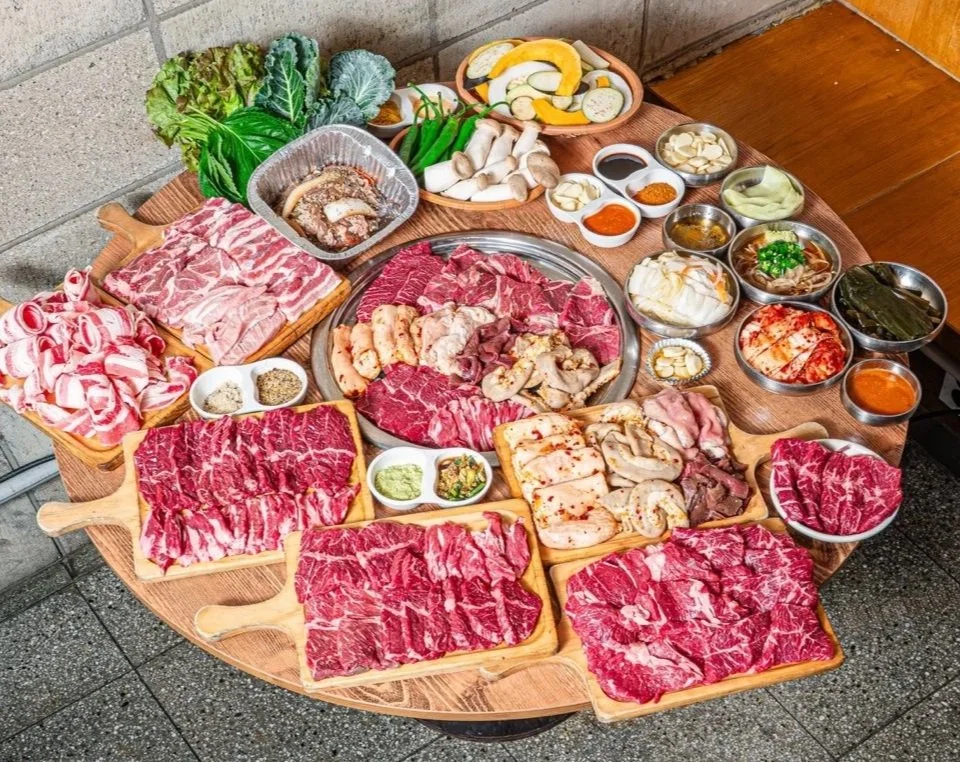
Korean food culture is more than one famous dish. It is not only kimchi, Korean BBQ, bibimbap, tteokbokki, or soju. At its core, Korean food culture is about balance, sharing, side dishes, rice, soup, grilled meat, fermented flavors, and eating together at the same table.
For many foreigners visiting Korea for the first time, Korean meals can feel different from meals in Western countries. Instead of one plate per person, the table often has rice, soup, kimchi, sauces, shared side dishes, grilled meat, stews, and vegetables. Some dishes are personal, but many are shared. Some flavors are spicy and strong, while others are mild, refreshing, or comforting.
This is what makes Korean food culture interesting. A Korean meal is not built around only one item. It is built around combinations.
Rice balances salty side dishes. Soup warms the meal. Kimchi adds acidity and fermentation. Banchan gives variety. Korean BBQ creates a shared experience. Lettuce wraps, sauces, garlic, and grilled meat let each person build their own bite.
At Mongvely in Myeongdong, many foreign visitors come to try Korean BBQ for the first time. They often ask the same questions: Why are there so many side dishes? Are we supposed to share everything? How do we eat lettuce wraps? Why is soup served with BBQ? What role does rice play?
This guide explains Korean food culture in a simple way, especially for first-time visitors who want to understand Korean meals before eating in Seoul.
➣ READ ALSO : The Ultimate Guide to Korean BBQ in Seoul
What Is Korean Food Culture?
Korean food culture is the way Koreans prepare, serve, share, and enjoy food. It includes traditional meals at home, restaurant dining, Korean BBQ, street food, drinking food, seasonal dishes, fermented foods, and everyday comfort meals.
The Korean word often used for Korean cuisine is hansik. Hansik includes many kinds of food, from simple home meals to royal court cuisine, temple food, street snacks, soups, stews, noodles, BBQ, rice dishes, and fermented side dishes.
One important feature of Korean food culture is the structure of the table. A typical Korean meal often includes:
Rice
Soup or stew
Kimchi
Banchan, or side dishes
A main dish such as meat, fish, tofu, vegetables, noodles, or BBQ
Sauces and seasonings
This creates a meal with many small flavors rather than one large flavor. Instead of eating only meat or only noodles, you eat a little of everything together.
Rice: The Center of the Korean Meal
Rice, called bap in Korean, is one of the most important parts of Korean food culture.
For many traditional Korean meals, rice is the center of the table. Side dishes, soup, stew, grilled meat, and kimchi are often eaten with rice. Even when the main dish is strong, salty, spicy, or rich, plain rice balances the flavor.
This is why rice is not just a filler. It has a purpose.
If you eat spicy kimchi jjigae, rice softens the heat. If you eat grilled pork belly, rice makes the meal more filling. If you eat salty banchan, rice balances the salt. If you eat marinated beef, rice absorbs the sweet-savory sauce.
In Korean, a meal is often connected to the word bap. Asking “Did you eat?” can sound like asking “Did you eat rice?” because rice has historically represented the idea of a proper meal.
For visitors, understanding rice helps make Korean food easier. Do not think of rice as plain or boring. In Korean meals, rice is the base that connects everything else.
Banchan: Why Korean Meals Have So Many Side Dishes
One of the most noticeable parts of Korean food culture is banchan.
Banchan are small side dishes served with a meal. They can be spicy, salty, sour, sweet, mild, crunchy, fermented, stir-fried, pickled, or seasoned. Some are vegetable-based, while others may include seafood, egg, tofu, meat, or dried ingredients.
Common banchan include:
Kimchi
White kimchi
Pickled radish
Bean sprouts
Seasoned spinach
Stir-fried fish cake
Braised potatoes
Seaweed
Garlic
Lettuce or greens
Seasoned vegetables
Banchan are not just decoration. They help balance the meal.
If the main dish is rich, banchan can refresh your mouth. If the meal is mild, banchan can add stronger flavor. If you are eating BBQ, banchan gives you many ways to combine meat, rice, sauces, and vegetables.
At Korean BBQ restaurants, banchan are especially important. Grilled meat alone can feel heavy after a while. Kimchi, white kimchi, pickled radish, lettuce, bean sprouts, garlic, and sauces make the meal more balanced.
Kimchi: The Most Famous Korean Side Dish
Kimchi is probably the most famous Korean food in the world. Many foreigners know red cabbage kimchi first, but kimchi is actually a broad category of fermented vegetables.
The most common type is napa cabbage kimchi, made with chili powder, garlic, salt, and seasoning. But Korea also has radish kimchi, cucumber kimchi, water kimchi, white kimchi, green onion kimchi, and many other kinds.
Kimchi matters because it adds fermentation, acidity, spice, and depth to the meal. It is often served with rice, soup, noodles, grilled meat, fried rice, stews, and BBQ.
With Korean BBQ, kimchi can be eaten cold as a side dish or grilled with pork belly. Grilled kimchi becomes softer, richer, and slightly smoky, making it a popular pairing with fatty pork.
For people who cannot eat spicy food, white kimchi is a good alternative. It is non-spicy, refreshing, and useful for balancing grilled meat.
Soup and Stew: Comfort at the Korean Table
Soup and stew are also central to Korean food culture.
In Korea, soup is not only eaten when someone is sick or cold. It is part of many everyday meals. A Korean table may include rice, side dishes, and soup together. Stews are also shared at the center of the table, especially in restaurants or group meals.
Common Korean soups and stews include:
Doenjang jjigae, soybean paste stew
Kimchi jjigae, kimchi stew
Sundubu jjigae, soft tofu stew
Miyeokguk, seaweed soup
Galbitang, beef short rib soup
Samgyetang, ginseng chicken soup
Budae jjigae, army stew
Soup and stew add warmth, moisture, and comfort to a meal. They also help connect rice and side dishes. A spoonful of rice with stew can be one of the simplest and most satisfying Korean food combinations.
At Korean BBQ restaurants, soybean stew is a classic pairing. After eating grilled meat, a small bowl of doenjang jjigae with rice can make the meal feel complete.
Korean BBQ: Food, Fire, and Sharing
Korean BBQ is one of the most famous parts of Korean food culture. But Korean BBQ is not only about meat. It is about the full table experience.
At a Korean BBQ restaurant, meat is usually grilled at the table. The meal often includes beef, pork, kimchi, lettuce, garlic, dipping sauces, side dishes, rice, soup, noodles, and drinks.
The act of grilling together is part of the culture. People cook, share, talk, eat, and build different bites. One person may prefer beef with sesame oil and salt. Another may prefer pork belly with grilled kimchi. Someone else may make lettuce wraps with garlic and ssamjang.
This is why Korean BBQ is popular for groups. It gives everyone something to do. The meal moves slowly, and the table becomes social.
At Mongvely in Myeongdong, Korean BBQ is self-service and all-you-can-eat. Guests choose meat and side dishes, bring them to the table, and grill the meat themselves. This makes it easy for visitors to experience Korean BBQ culture in a casual way.
Shared Meals: Why Korean Food Is Often Communal
Korean food culture is strongly connected to shared meals.
Many Korean restaurant dishes are made for the table rather than for one person. Korean BBQ, stews, hot pots, pancakes, fried chicken, and drinking foods are often shared. Even when each person has their own rice bowl, the side dishes and main dishes may be placed in the center.
This shared style can feel unfamiliar to visitors from cultures where each person orders and eats their own plate. In Korea, sharing food is normal. It makes the meal feel more social and interactive.
Korean BBQ is one of the best examples. The meat is cooked in the center, side dishes are shared, sauces are placed around the table, and everyone eats together.
This does not mean there are no individual meals in Korea. Many dishes, such as bibimbap, soups, noodles, and rice bowls, can be served individually. But shared dining remains a very important part of Korean food culture.
Ssam: The Korean Way to Wrap Food
Ssam means wrap. In Korean BBQ, ssam usually means wrapping grilled meat in lettuce or another leafy vegetable.
A basic ssam may include:
Lettuce or perilla leaf
Grilled meat
Ssamjang
Garlic
Rice
Kimchi or pickled radish
Other side dishes
There is no single correct way to make ssam. Some people like it simple with meat and sauce. Others add rice, garlic, kimchi, and vegetables.
The important thing is balance. The leaf adds freshness. The meat adds richness. The sauce adds saltiness and depth. The garlic adds sharpness. Rice makes it more filling. Kimchi or pickled radish adds acidity.
For tourists, ssam is one of the easiest ways to understand Korean food culture. One bite can include meat, vegetable, sauce, rice, and banchan together.
➣ Read more about the ssam culture HERE
Sauces and Seasonings in Korean Food Culture
Korean food uses many sauces and seasonings to build flavor.
Some of the most important include:
Gochujang, red chili paste
Doenjang, soybean paste
Ganjang, soy sauce
Ssamjang, dipping sauce for wraps
Sesame oil
Garlic
Chili powder
Vinegar
Salt
Green onion
At Korean BBQ restaurants, sauces help guests customize each bite. Sesame oil with salt gives a clean, savory flavor. Ssamjang gives a stronger fermented soybean and chili taste. Onion sauce adds sweetness and acidity. Garlic makes the bite sharper.
At Mongvely, guests can try different sauces and seasonings with beef and pork, including sesame oil with salt, onion sauce, garlic, pepper, ssamjang, cheese powder, curry powder, cumin powder, spicy teriyaki, vinegar, and mustard.
This variety helps first-time visitors learn that Korean BBQ is not one fixed flavor. It is a meal built from many combinations.
➣ READ MORE about the side dishes available at Mongvely HERE
Fermentation: A Key Part of Korean Flavor
Fermentation is one of the most important elements of Korean food culture.
Kimchi is the most famous fermented food, but it is not the only one. Korean cuisine also uses fermented soybean paste, red chili paste, soy sauce, salted seafood, and fermented side dishes.
Fermentation adds depth. It creates sour, salty, savory, and complex flavors that make Korean meals feel layered.
This is why Korean food can taste strong at first to some visitors. Fermented flavors are powerful. But once you understand how to pair them with rice, meat, soup, and vegetables, they become easier to enjoy.
For example, ssamjang may taste salty on its own. But inside a lettuce wrap with grilled pork and rice, it makes sense. Kimchi may taste intense alone. But with rice or pork belly, it becomes balanced.
Korean Food Is About Balance
A good Korean meal often balances several things at once:
Hot and cold
Spicy and mild
Fresh and fermented
Rich and refreshing
Meat and vegetables
Rice and side dishes
Soup and grilled food
Individual bowls and shared plates
This balance is why Korean meals often have many dishes on the table. Each item has a role.
White kimchi refreshes. Red kimchi adds spice. Rice calms the flavor. Soup warms the meal. Lettuce adds freshness. Garlic adds strength. Meat gives richness. Sauces add depth.
When you understand this, Korean food becomes less confusing. The table is not random. It is designed for mixing, balancing, and sharing.
Korean Food Culture for Tourists in Myeongdong
Myeongdong is one of the easiest places for tourists to experience Korean food culture because it has restaurants, street food, cafes, BBQ spots, beauty stores, shopping streets, hotels, and subway access in one area.
Many visitors first experience Korean food in Myeongdong because it is convenient. They may try street food first, then Korean BBQ, noodles, soup, or dessert.
Street food is fun, but Korean food culture is easier to understand when you sit down for a full meal. Korean BBQ is especially useful because it includes many core parts of Korean dining in one experience: shared food, grilling, banchan, sauces, vegetables, rice, soup, and sometimes drinks.
At Mongvely, visitors can try all-you-can-eat Korean BBQ near Myeongdong Station and Euljiro 1-ga. For first-time visitors, it is a practical way to experience the Korean table without needing to understand every dish in advance.
Common Things Foreigners Misunderstand
“Korean food is always spicy.”
Korean food can be spicy, but it is not always spicy. White kimchi, rice, soups, grilled meat, soybean stew, steamed egg, mild banchan, and many noodle dishes can be mild.
“Banchan is just free extra food.”
Banchan is part of the meal structure. It balances the main dish and gives variety.
“Korean BBQ is only meat.”
Korean BBQ includes meat, but also sauces, vegetables, kimchi, rice, soup, wraps, and side dishes.
“Everyone eats from one plate.”
Some dishes are shared, but rice and soup are often individual. The table usually combines personal bowls with shared dishes.
“There is only one correct way to eat Korean food.”
There are customs, but there is also flexibility. People build bites differently depending on taste.
Simple Korean Food Culture Tips for First-Time Visitors
Try a little of everything before deciding what you like.
Eat rice with strong-flavored dishes.
Use banchan to balance meat, soup, and spicy food.
Do not be afraid to make lettuce wraps.
At Korean BBQ, grill meat slowly instead of placing everything on the grill at once.
Use sauces lightly at first, then adjust.
If something is too spicy, eat rice, soup, or non-spicy side dishes.
If you do not know how to eat something, look at how others combine it or ask staff politely.
Remember that Korean food is usually about the whole table, not one single dish.
Final Thoughts: What Is Korean Food Culture?
Korean food culture is built around balance, sharing, and variety. Rice is the center of many meals. Banchan adds different flavors and textures. Kimchi brings fermentation and acidity. Soup and stew add warmth and comfort. Korean BBQ brings people together around the grill. Ssam, sauces, garlic, and vegetables let each person create their own perfect bite.
For tourists, Korean food culture may feel unfamiliar at first because the table has many dishes and many possible combinations. But that is exactly what makes it special.
A Korean meal is not only about eating one main dish. It is about building a full experience from rice, soup, side dishes, grilled meat, vegetables, sauces, and shared conversation.
If you are visiting Myeongdong and want to understand Korean food culture in a simple way, Korean BBQ is one of the best places to start. At Mongvely, you can experience beef, pork, banchan, sauces, lettuce wraps, rice, soup, and shared table grilling in one meal.
Once you understand how the Korean table works, every bite becomes easier to enjoy.
FAQ: Korean Food Culture
What is Korean food culture?
Korean food culture is the way food is prepared, served, shared, and eaten in Korea. It often includes rice, soup, kimchi, banchan, shared dishes, BBQ, sauces, and fermented flavors.
What is banchan?
Banchan are Korean side dishes served with a meal. They can include kimchi, vegetables, pickles, seafood, tofu, egg, or seasoned dishes.
Why do Korean meals have so many side dishes?
Korean meals use side dishes to create balance and variety. Banchan adds different flavors, textures, and freshness to the meal.
Is kimchi always spicy?
No. Many types of kimchi are spicy, but not all. White kimchi is a non-spicy kimchi made without red chili powder.
What is Korean BBQ culture?
Korean BBQ culture is the practice of grilling meat at the table and eating it with side dishes, sauces, lettuce wraps, rice, soup, and shared conversation.
Is Korean food always shared?
Not always. Some Korean dishes are individual, while others are shared. Korean BBQ, stews, hot pots, pancakes, and side dishes are often shared at the table.
Is Korean food always spicy?
No. Korean cuisine includes spicy, mild, sweet, salty, sour, fermented, grilled, fresh, and comforting foods. Many Korean dishes are not spicy.
What should tourists know before eating Korean food?
Tourists should know that rice balances strong flavors, banchan are part of the meal, many dishes are shared, and Korean BBQ is usually eaten with sauces, vegetables, and side dishes.
Where can I experience Korean food culture in Myeongdong?
You can experience Korean food culture at Mongvely, an all-you-can-eat Korean BBQ restaurant in Myeongdong with beef, pork, banchan, sauces, rice, soup, and table grilling.
Is Korean BBQ good for first-time visitors?
Yes. Korean BBQ is good for first-time visitors because it shows many parts of Korean food culture in one meal: grilling, sharing, banchan, sauces, lettuce wraps, rice, soup, and group dining.
Visit Us Now!
Mongvely Main Branch
Address: Myeongdong 8na-gil 9 3rd Floor
Opening Hours: 11:30 a.m. to 2:00 a.m.
Mongvely 2nd Branch
Address: Myeongdong 3-gil 44 2nd Floor
Opening Hours: 11:30 a.m. to 2:00 a.m.
Plan your visit → Book a Table
Follow us on Instagram → @kbbqmongvely
