

What Is White Kimchi? The Non-Spicy Kimchi Served With Korean BBQ
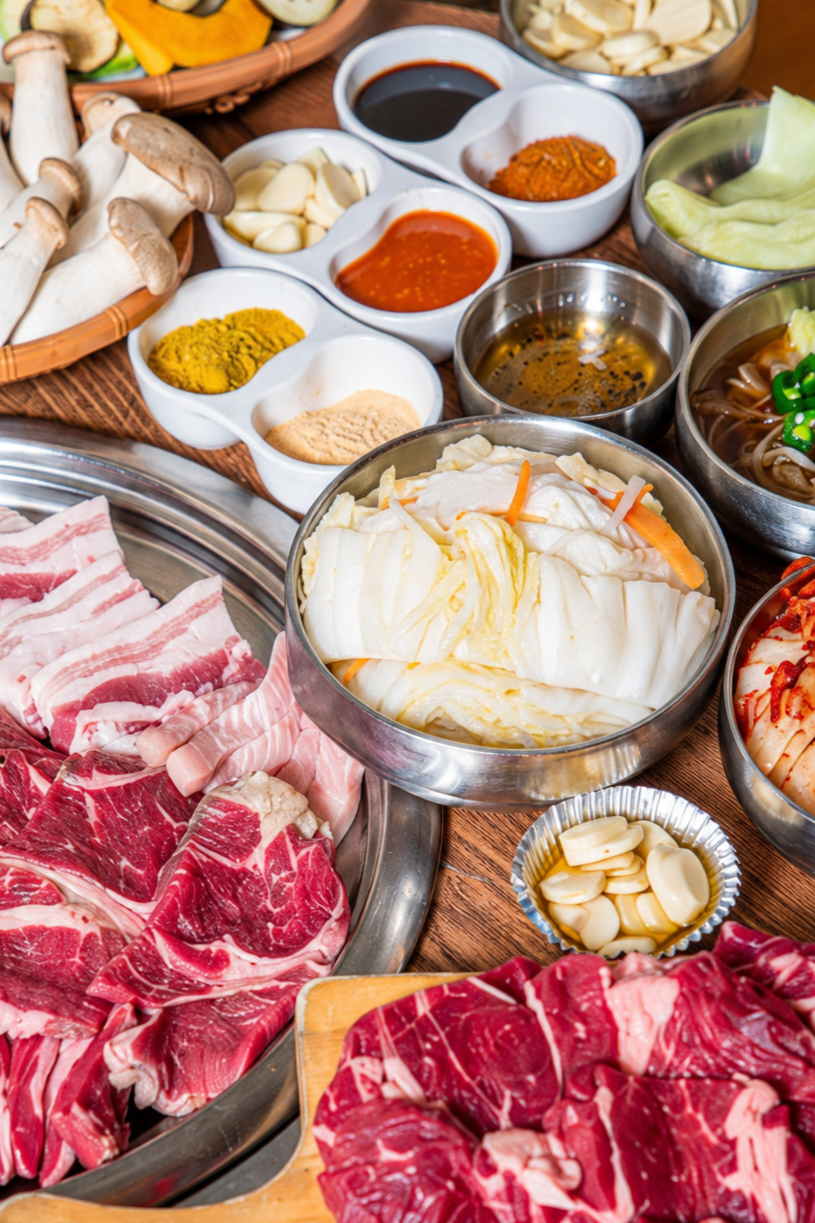
When most foreigners think of kimchi, they usually imagine spicy red napa cabbage covered in chili powder, garlic, and seasoning. That version is the most internationally recognized type of kimchi, but it is not the only one. Korea has many kinds of kimchi, and not all of them are spicy.
One of the best examples is white kimchi, known in Korean as baek kimchi.
White kimchi is a non-spicy Korean fermented cabbage dish made without red chili powder. Instead of the bold red color and spicy taste of regular cabbage kimchi, white kimchi has a pale color, refreshing flavor, crisp texture, and clean fermented taste. It is often made with napa cabbage, radish, garlic, ginger, pear, green onion, and a lightly seasoned brine.
For visitors who want to try kimchi but cannot handle spicy food, white kimchi is one of the easiest Korean side dishes to enjoy. It is mild, slightly sweet, lightly sour, and refreshing. It also pairs very well with Korean BBQ because it balances rich grilled meat without adding extra heat.
At Mongvely in Myeongdong, many foreign guests are surprised when they see both red kimchi and white kimchi on the table. Some expect all kimchi to be spicy, but white kimchi shows a softer and more refreshing side of Korean food culture.
This guide explains what white kimchi is, how it tastes, how it is made, how it differs from regular kimchi, and why it is commonly served with Korean BBQ.
➣ READ ALSO : The Ultimate Guide to Korean BBQ in Seoul
What Is White Kimchi?
White kimchi is a type of kimchi made without red chili powder, also called gochugaru. In Korean, it is called baek kimchi. “Baek” means white, and “kimchi” refers to fermented seasoned vegetables.
The most common version is made with napa cabbage. The cabbage is salted, filled or seasoned with ingredients such as radish, pear, garlic, ginger, green onion, and sometimes chestnuts, jujubes, or pine nuts, then fermented in a light brine.
Because it does not use chili powder, white kimchi is not spicy. The flavor is cleaner and gentler than regular red kimchi. It tastes crisp, lightly salty, slightly sour, refreshing, and sometimes a little sweet depending on the recipe.
White kimchi is still kimchi because it goes through the same basic idea: salting vegetables, seasoning them, and allowing fermentation to develop flavor. The difference is the seasoning style.
What Does White Kimchi Taste Like?
White kimchi tastes very different from the spicy red kimchi that many tourists know first.
It is usually:
Mild
Refreshing
Crisp
Lightly salty
Slightly sour
Slightly sweet
Clean-tasting
Non-spicy
Good white kimchi should not taste plain. Even without chili powder, it has flavor from fermentation, garlic, ginger, pear, radish, and brine. The taste is more delicate than red kimchi, but it still has depth.
The texture is also important. White kimchi should have a crisp bite. The cabbage should feel refreshing, not mushy. When eaten cold, it can almost feel like a palate cleanser between bites of grilled meat.
This is why white kimchi is such a useful side dish at Korean BBQ restaurants. When you eat fatty pork belly, marinated beef, grilled garlic, ssamjang, and rich sauces, white kimchi gives your mouth a clean break.
Is White Kimchi Spicy?
No. White kimchi is generally not spicy because it is made without Korean red chili powder.
That makes it a good choice for people who cannot eat spicy food, children, older people, or tourists trying kimchi for the first time.
However, mild does not mean flavorless. White kimchi still has garlic, ginger, fermentation, salt, vegetables, and sometimes fruit. The flavor is just lighter and cleaner than spicy kimchi.
If you are sensitive to spice, white kimchi is one of the safest kimchi varieties to start with. It lets you experience Korean fermented vegetables without the heat of chili.
White Kimchi vs Regular Kimchi
The main difference between white kimchi and regular red cabbage kimchi is the use of chili powder.
Regular napa cabbage kimchi usually uses gochugaru, which gives it a red color and spicy flavor. White kimchi does not use gochugaru, so it stays pale and mild.
Regular Kimchi
Regular kimchi is usually red, spicy, garlicky, sour, and strong. It often has a bold fermented smell and powerful flavor. It is one of Korea’s most famous side dishes and is commonly eaten with rice, soup, noodles, BBQ, and many Korean meals.
White Kimchi
White kimchi is pale, non-spicy, crisp, refreshing, and lighter. It is still fermented, but the flavor is gentler. It is especially good for people who want kimchi without chili heat.
Both are real kimchi. One is not more authentic than the other. They simply show different sides of Korean food culture.
Why Is It Called White Kimchi?
It is called white kimchi because it does not have the red color that comes from chili powder.
The Korean name baek kimchi literally means white kimchi. “Baek” means white, and the name refers to the pale appearance of the cabbage and brine.
The color can vary depending on ingredients. Some white kimchi is almost white. Some has a light yellow, pale green, or slightly cloudy brine. If ingredients such as jujube, chili threads, or vegetables are used as garnish, there may be small amounts of color, but it is still considered white kimchi because the main seasoning does not use red chili powder.
What Is White Kimchi Made Of?
White kimchi recipes vary by household, region, and restaurant, but common ingredients include:
Napa Cabbage
Napa cabbage is the base of most white kimchi. It is salted first so the leaves soften slightly while keeping their crisp texture.
Korean Radish
Radish adds crunch and a clean, slightly sweet flavor. It also helps make the brine taste refreshing.
Garlic
Garlic gives white kimchi aroma and depth. Even though white kimchi is mild, garlic keeps it from tasting too flat.
Ginger
Ginger adds warmth and freshness. It also balances the cabbage and brine.
Green Onion
Green onion gives a light onion flavor and a fresh finish.
Korean Pear
Korean pear is often used for natural sweetness and a clean fruit note. It makes the brine more refreshing.
Salt
Salt is essential because it seasons the cabbage and supports fermentation.
Brine
White kimchi is often stored in a clear or lightly cloudy brine. This brine carries the flavor and helps the cabbage ferment.
Optional Ingredients
Some versions include chestnuts, jujubes, pine nuts, minari, carrots, chili threads, or other decorative ingredients. These make white kimchi more elegant and complex.
How Is White Kimchi Made?
White kimchi takes time, but the basic process is simple.
First, napa cabbage is salted. This softens the cabbage, removes some moisture, and prepares it for seasoning.
Second, the filling or seasoning is prepared. This may include sliced radish, pear, garlic, ginger, green onion, and other ingredients.
Third, the cabbage is filled or mixed with the seasoning.
Fourth, the cabbage is placed in a container with brine.
Finally, the white kimchi is left to ferment. Fermentation time depends on temperature, recipe, and personal taste. Some people prefer it young and crisp. Others prefer it more sour after a longer fermentation.
The result is a non-spicy kimchi with a refreshing fermented taste.
Is White Kimchi Fermented?
Yes. White kimchi is fermented.
This is an important point because some people assume white kimchi is just pickled cabbage. It is more than that. Like other kimchi, white kimchi develops flavor through fermentation.
As it ferments, the taste changes. Fresh white kimchi may taste crisp, lightly salty, and sweet. After more time, it becomes tangier and more sour. The brine may become more flavorful and slightly fizzy.
This changing flavor is part of kimchi culture. Kimchi is not static. It continues to develop depending on time and storage.
Why White Kimchi Goes Well With Korean BBQ
White kimchi is one of the best side dishes for Korean BBQ because it balances rich grilled meat.
Korean BBQ often includes beef, pork belly, pork neck, marinated meat, garlic, ssamjang, sesame oil, salt, rice, stew, and sauces. These foods are delicious, but they can feel heavy if eaten alone.
White kimchi helps in three ways.
First, it refreshes your mouth. The crisp cabbage and light brine cut through the richness of grilled meat.
Second, it does not add extra spice. If you are already eating garlic, ssamjang, kimchi, or spicy sauces, white kimchi gives a calmer flavor.
Third, it works with both beef and pork. With beef, it keeps the meal clean. With pork belly, it helps balance the fat.
This is why white kimchi is especially useful for first-time Korean BBQ visitors. It gives you a break between bites and helps the meal feel less heavy.
How to Eat White Kimchi With Korean BBQ
There are several easy ways to eat white kimchi at a Korean BBQ restaurant.
Eat It Between Bites
The simplest way is to eat a small piece of white kimchi between bites of grilled meat. This refreshes your mouth before the next bite.
Eat It With Pork Belly
White kimchi is especially good with pork belly. The pork is rich and fatty, while the white kimchi is crisp and refreshing.
Add It to a Lettuce Wrap
You can add white kimchi to a lettuce wrap with meat, garlic, ssamjang, and rice. It gives the wrap crunch and mild acidity.
Learn more about Korean Ssam culture here ➣ The Ssam Culture of Korea: A Complete Guide to the Art of Wrapping Korean BBQ
Eat It With Rice
White kimchi also tastes good with plain rice. The rice softens the sourness and makes the side dish feel more balanced.
Pair It With Beef
With beef, white kimchi keeps the flavor clean. Try grilled beef with sesame oil and salt, then eat white kimchi after.
Is White Kimchi Good for People Who Cannot Eat Spicy Food?
Yes. White kimchi is one of the best Korean side dishes for people who cannot eat spicy food.
Many foreigners avoid kimchi because they think all kimchi is spicy. White kimchi proves that kimchi can be mild and refreshing.
It is also helpful for children, older visitors, and people who want to enjoy Korean BBQ without too much chili. If you are introducing Korean food to someone for the first time, white kimchi is a good starting point.
Is White Kimchi Vegan or Vegetarian?
Not always.
Some white kimchi recipes are vegan or vegetarian, especially if they use only vegetables, salt, fruit, garlic, ginger, and water. However, some recipes may use fish sauce, salted seafood, anchovy stock, or other animal-based ingredients.
If you are vegan, vegetarian, allergic to seafood, or avoiding certain ingredients, you should ask the restaurant directly. Do not assume that white kimchi is automatically vegan just because it is not spicy.
At Korean restaurants, recipes vary widely.
Is White Kimchi Healthy?
White kimchi can be part of a balanced Korean meal. It is made mostly from vegetables and is fermented, which gives it a light, refreshing quality.
However, like many fermented and pickled foods, it can contain sodium. The exact nutrition depends on the recipe, salt level, and portion size.
For most people, white kimchi is best enjoyed as a side dish, not as the entire meal. Eat it with grilled meat, rice, lettuce, soup, and other banchan for balance.
White Kimchi and Banchan Culture
White kimchi is part of Korean banchan culture. Banchan are small side dishes served with Korean meals.
At a Korean BBQ table, banchan are not just decoration. They help balance the meat. Some banchan are spicy, some are sour, some are salty, some are fresh, and some are mild. Together, they make the meal more complete.
White kimchi plays the refreshing role. It is not there to overpower the meat. It is there to clean the palate and add contrast.
For tourists, understanding banchan makes Korean BBQ much easier. You are not supposed to eat only meat. You are supposed to combine meat, side dishes, sauces, wraps, rice, and soup in different ways.
Learn more about banchan culture here ➣ Korean Banchan Explained: Every Side Dish and Its Meaning
White Kimchi at Mongvely in Myeongdong
At Mongvely, white kimchi is one of the side dishes that helps guests enjoy Korean BBQ more comfortably.
Many visitors come to Myeongdong wanting to try Korean BBQ, but not everyone is used to spicy food. White kimchi gives guests a non-spicy side dish that still feels very Korean.
It pairs well with grilled beef, pork belly, pork neck, garlic, lettuce wraps, rice, and sauces. It also helps balance stronger flavors such as red kimchi, ssamjang, curry powder, cumin powder, cheese powder, onion sauce, and sesame oil with salt.
For first-time visitors, we recommend trying white kimchi between bites of meat. It is a simple way to understand how Korean BBQ is not only about grilling meat, but also about balance.
Common Mistakes Tourists Make With White Kimchi
Thinking It Is Not Kimchi
Some people think kimchi must be red and spicy. White kimchi is still kimchi. It is just a non-spicy version.
Ignoring It Because It Looks Plain
White kimchi may look simple, but the flavor is refreshing and useful during a BBQ meal.
Assuming It Is Always Vegan
White kimchi may contain seafood-based ingredients depending on the recipe. Always ask if you have dietary restrictions.
Expecting It to Taste Like Salad
White kimchi is fermented. It may taste tangy, lightly sour, or slightly fizzy depending on fermentation.
White Kimchi vs Pickled Radish
White kimchi and pickled radish are both refreshing side dishes, but they are not the same.
White kimchi is fermented cabbage, usually with brine, garlic, ginger, radish, pear, and other ingredients. It has a more complex fermented taste.
Pickled radish is usually sharper, sweeter, and simpler. It is often eaten as a refreshing side dish with BBQ, fried chicken, or other Korean meals.
Both help balance rich food, but white kimchi has a deeper kimchi flavor.
White Kimchi vs Water Kimchi
White kimchi and water kimchi can look similar because both may have a light brine, but they are different.
White kimchi usually refers to napa cabbage kimchi made without chili powder.
Water kimchi, such as dongchimi or nabak kimchi, usually has more broth and may focus more on radish or mixed vegetables. Some water kimchi can include a small amount of chili for color, while white kimchi is known for being non-spicy.
The key point is that white kimchi is non-spicy cabbage kimchi, while water kimchi is a broader category of broth-based kimchi.
Why Tourists Should Try White Kimchi
White kimchi is worth trying because it shows that Korean food is more diverse than many people expect.
Korean cuisine is not only spicy. It can also be mild, refreshing, fermented, sweet, salty, sour, rich, and balanced. White kimchi is a good example of that balance.
For tourists in Myeongdong, white kimchi is especially useful because it makes Korean BBQ easier to enjoy. Even if you are not used to strong Korean flavors, white kimchi gives you a gentle starting point.
It is also a good conversation starter. When you understand what white kimchi is, the Korean BBQ table becomes less confusing. You can see why every side dish has a purpose.
Final Thoughts: What Is White Kimchi?
White kimchi, or baek kimchi, is a non-spicy Korean kimchi made without red chili powder. It is usually made with napa cabbage, radish, garlic, ginger, pear, green onion, and a light brine. The flavor is crisp, refreshing, mildly sour, slightly sweet, and clean.
It is different from regular red kimchi, but it is still real kimchi. It is fermented, flavorful, and deeply connected to Korean food culture.
For people who cannot eat spicy food, white kimchi is one of the best Korean side dishes to try. For Korean BBQ lovers, it is one of the best ways to balance rich grilled meat.
At Mongvely in Myeongdong, white kimchi is served as part of the Korean BBQ experience because it helps guests enjoy beef, pork, sauces, lettuce wraps, rice, and side dishes in a more balanced way.
If you are visiting Korea and trying Korean BBQ for the first time, do not skip the white kimchi. It may look simple, but it can make the whole meal taste better.
FAQ: What Is White Kimchi?
What is white kimchi?
White kimchi, or baek kimchi, is a non-spicy Korean kimchi made without red chili powder. It is usually made with napa cabbage, radish, garlic, ginger, pear, green onion, and brine.
Is white kimchi spicy?
No. White kimchi is generally not spicy because it does not use gochugaru, the Korean red chili powder used in regular kimchi.
What does white kimchi taste like?
White kimchi tastes crisp, refreshing, lightly salty, slightly sour, and sometimes a little sweet. It has a clean fermented flavor without chili heat.
Is white kimchi real kimchi?
Yes. White kimchi is real kimchi. It is fermented and seasoned like other kimchi, but it does not use red chili powder.
What is white kimchi called in Korean?
White kimchi is called baek kimchi in Korean. “Baek” means white.
What is the difference between white kimchi and regular kimchi?
Regular cabbage kimchi is usually red and spicy because it uses gochugaru. White kimchi is pale and non-spicy because it is made without chili powder.
Is white kimchi fermented?
Yes. White kimchi is fermented. Its flavor becomes tangier and more sour as it ferments.
What is white kimchi made of?
White kimchi is usually made with napa cabbage, radish, garlic, ginger, pear, green onion, salt, and brine. Some versions also include chestnuts, jujubes, pine nuts, or other ingredients.
Is white kimchi vegan?
Not always. Some recipes are vegan, but others may use fish sauce, seafood, or animal-based broth. Ask the restaurant if you have dietary restrictions.
Can children eat white kimchi?
Yes, many children can enjoy white kimchi because it is non-spicy. However, parents should still check ingredients and saltiness.
Why is white kimchi served with Korean BBQ?
White kimchi is served with Korean BBQ because it balances fatty grilled meat, refreshes the mouth, and adds a mild fermented flavor without extra spice.
Visit Us Now!
Mongvely Main Branch
Address: Myeongdong 8na-gil 9 3rd Floor
Opening Hours: 11:30 a.m. to 2:00 a.m.
Mongvely 2nd Branch
Address: Myeongdong 3-gil 44 2nd Floor
Opening Hours: 11:30 a.m. to 2:00 a.m.
Plan your visit → Book a Table
Follow us on Instagram → @kbbqmongvely
