

Winter in Seoul 2026–2027: Best Things to Do, Snow, Weather, What to Wear & Where to Eat
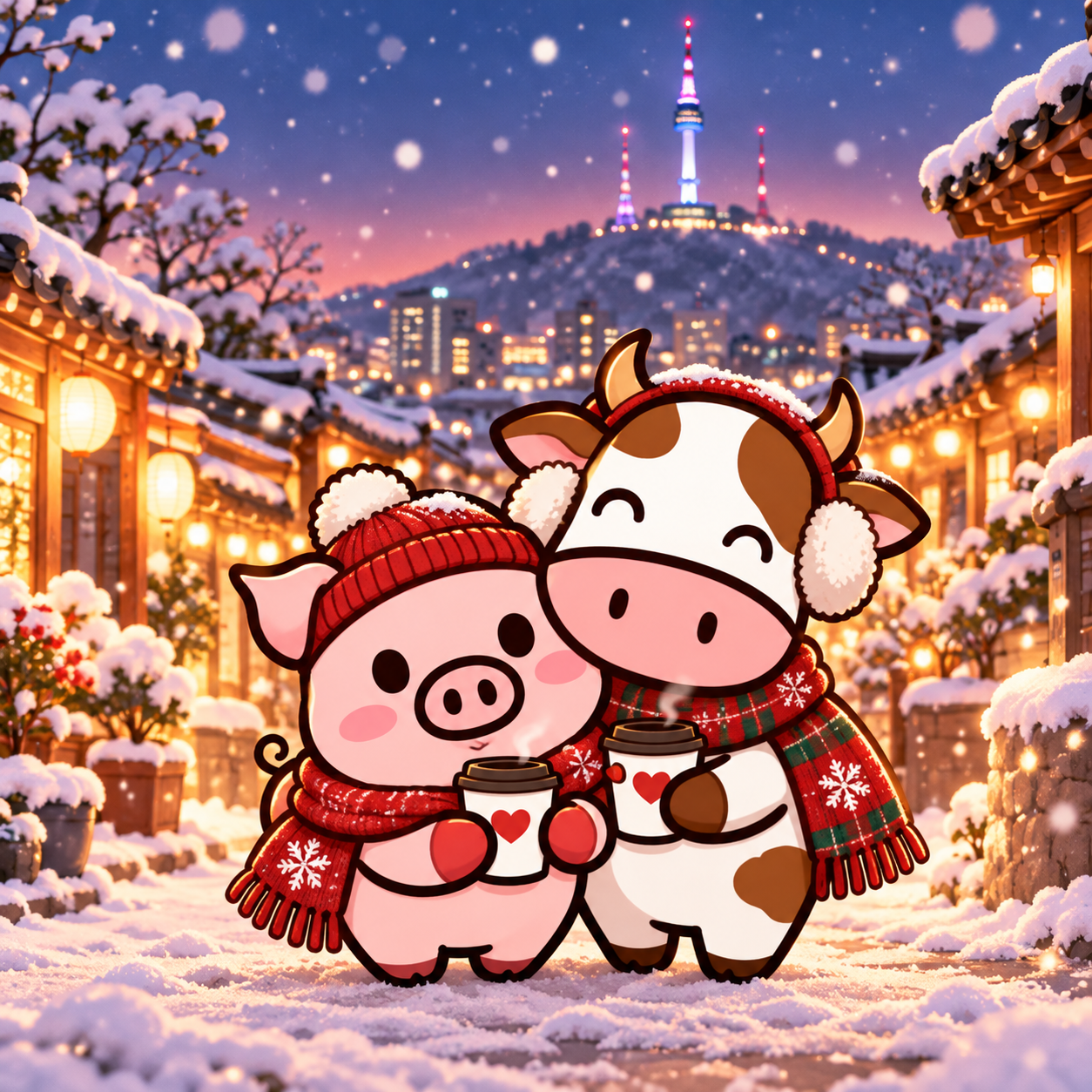
Winter in Seoul offers a completely different perspective on South Korea's capital. From snow-covered royal palaces and illuminated Christmas displays to traditional Korean comfort food and scenic mountain escapes, the city has plenty to offer travellers visiting between December and February.
If you are planning a trip to Seoul in winter 2026–2027, knowing when to visit, how cold it gets, and where to find the best seasonal experiences will help you make the most of your holiday.
December brings Christmas decorations and year-end celebrations. January is typically the coldest month, making it particularly appealing for visitors interested in skiing and winter sports. By February, the weather gradually begins to moderate, although freezing temperatures remain common.
One of the most convenient areas to explore during winter is Myeongdong, a central Seoul neighbourhood known for K-beauty shopping, Korean street food, major department stores, and restaurants.
At Myeongdong Korean BBQ Mongvely, we welcome travellers exploring Seoul throughout the year. With two locations in Myeongdong, we know how valuable a convenient dining stop can be after a long day of winter sightseeing.
In this complete winter in Seoul travel guide, we cover December-to-February weather, snowfall expectations, what to wear, the best winter attractions, skiing near Seoul, Korean winter food, and a practical three-day itinerary.
When Is Winter in Seoul? December, January & February Explained
Winter in South Korea generally runs from December through February. However, each month offers a different travel experience.
December in Seoul: Christmas Lights and Winter Festivals
December is particularly appealing for visitors who enjoy festive city experiences.
Major shopping destinations begin displaying Christmas decorations, while public spaces host seasonal light installations, winter markets, and year-end events.
Myeongdong is especially popular during this period because of its proximity to Shinsegae Department Store, Lotte Department Store, and other central Seoul attractions.
Temperatures become increasingly cold as December progresses, but the festive atmosphere makes it a popular month for winter sightseeing.
For a detailed Christmas-focused itinerary, see our existing guide.
➣ Read More: December in Seoul 2026: Weather, Christmas Lights, What to Wear & Where to Eat
January in Seoul: The Coldest Winter Month
January is typically the coldest month in Seoul.
Average nighttime temperatures fall well below freezing, and cold waves can make extended outdoor activities challenging.
However, January is also an excellent time for visitors interested in winter sports.
Many ski resorts are operating during this period, subject to snow conditions and resort schedules.
With Christmas displays beginning to conclude, January offers an opportunity to focus on cultural attractions, snowy day trips, Korean food, and indoor experiences.
January is our recommended month for travellers prioritising winter sports over Christmas sightseeing.
February in Seoul: Winter Experiences With Slightly Milder Weather
February remains cold, particularly during the first half of the month.
However, historical climate averages suggest that temperatures gradually become milder compared with January.
This can make sightseeing more comfortable, although thermal clothing and winter coats are still necessary.
Depending on the year, February may also coincide with Seollal, the Korean Lunar New Year holiday. Some businesses and attractions change their operating schedules during this period.
Travellers should check the relevant holiday dates and attraction closures before finalising their itineraries.
Why Seoul Can Feel Colder Than the Temperature Suggests
The temperature displayed on a weather application does not always reflect how cold it feels outdoors.
Wind can make winter conditions feel considerably colder, particularly around open public squares, bridges, mountain viewpoints, and other exposed areas.
Seoul's winter air is also relatively dry, which can cause uncomfortable skin and lips.
For travellers spending several hours outside, proper winter clothing makes a significant difference.
Is Seoul Sunny During Winter?
Despite the cold, winter in Seoul can bring clear skies and bright sunshine.
Many winter days are dry rather than snowy, and clear weather can offer excellent visibility for city photography.
However, shorter daylight hours mean it is worth arranging your itinerary carefully.
We recommend visiting palaces, mountain viewpoints, and outdoor cultural attractions during daylight, then saving Christmas displays, illuminated streets, and shopping for the evening.
Does It Snow in Seoul During Winter?
One of the biggest reasons international visitors choose Korea during winter is the possibility of experiencing snow.
Yes, it snows in Seoul, but snowfall is neither continuous nor guaranteed.
Unlike some northern winter destinations, Seoul does not remain covered in deep snow throughout December, January, and February.
There may be periods of clear, dry weather between snow events, and snow on city streets can melt or be cleared relatively quickly.
Does It Snow in Seoul in December?
Snow is possible during December, particularly as temperatures fall.
However, visitors should not assume they will experience a white Christmas.
Some years bring memorable December snowfall, while others have relatively little snow during the holiday period.
If your main goal is to photograph Christmas lights or explore Myeongdong, December is an appealing choice regardless of snowfall.
Does It Snow in Seoul in January?
January is the coldest month in Seoul and an appealing period for winter sports.
Snowfall remains possible, but even the coldest temperatures do not guarantee fresh snow in the city.
Travellers seeking snowy scenery should monitor weather conditions and consider arranging a ski resort excursion.
Does It Snow in Seoul in February?
Snow can also fall in February.
Although temperatures gradually begin to rise, freezing conditions remain common, particularly at night.
Early February can still feel like the middle of winter, while late February sometimes brings milder afternoons.
The exact timing and amount of snowfall varies from year to year.
Best Places to See Snow in Seoul
When fresh snow does arrive, some of the most photogenic locations include Gyeongbokgung Palace, Namsan Mountain, traditional neighbourhoods, and tree-lined public spaces.
Traditional Korean tiled roofs look particularly attractive when covered in snow.
However, snow photographs should be considered a possibility rather than a guaranteed part of the itinerary.
For travellers determined to experience snow, visiting a mountain resort outside Seoul is generally a more practical approach.
What to Wear in Seoul in Winter: A Practical Packing Guide
Choosing appropriate clothing is essential when visiting Seoul between December and February.
A stylish coat may be suitable for short periods outdoors, but it may not provide enough insulation for an entire day of winter sightseeing.
Our recommendation is to prioritise warmth, comfort, and removable layers.
Choose an Insulated Winter Coat
A down jacket or well-insulated puffer coat is one of the most useful items you can bring.
Long padded jackets are particularly common in Korea because they provide protection against cold air across more of the body.
If you plan to visit Christmas markets, mountain viewpoints, or outdoor winter festivals, choose a coat suited to freezing temperatures.
Wear Thermal Base Layers
Thermal tops and leggings provide insulation without requiring excessive bulky clothing.
These are especially useful for visitors who intend to walk outdoors for several hours.
Combine a thermal layer with a sweater or fleece before adding your winter coat.
Inside restaurants, cafés, and shopping malls, you can remove your outer layers as needed.
Bring Gloves, Scarves, and Comfortable Shoes
Gloves and scarves are particularly important during evening sightseeing.
A warm hat can also help when visiting exposed locations such as Namsan Mountain.
For footwear, choose comfortable sneakers or winter boots with good grip.
Snow, ice, and wet pavements can make walking conditions slippery.
Remember Skincare and Hand Warmers
Cold, dry winter air can affect your skin.
Pack a moisturiser, lip balm, and any personal skincare products you regularly use.
Disposable hand warmers, known locally as hot packs (핫팩), are easy to find at Korean convenience stores and other retailers.
They are useful for outdoor sightseeing, especially after sunset.
If you forget winter accessories, Myeongdong's shopping streets are convenient places to purchase additional clothing.
12 Best Things to Do in Seoul in Winter 2026–2027
Seoul offers a combination of festive attractions, historical landmarks, winter sports, shopping, and indoor experiences.
These are 12 activities worth considering when planning your winter trip.
1. Explore Myeongdong Shopping Street in Winter
Myeongdong is one of Seoul's most recognisable shopping districts and a convenient starting point for first-time visitors.
Its compact streets contain Korean skincare retailers, beauty stores, fashion shops, accessories, cosmetics, cafés, and food vendors.
During winter, shopping is an especially practical activity because visitors can alternate between outdoor streets and heated shops.
Popular destinations include Olive Young, NYUNYU, UNIQLO, MUSINSA, and nearby department stores.
Best time to visit: Afternoon through evening.
Nearest subway: Myeongdong Station, Line 4, or Euljiro-1-ga Station, Line 2.
Allow enough time to compare stores rather than rushing through the area.
➣ Read More: Myeongdong Shopping Route 2026: K-Fashion, K-Beauty, Olive Young & More
2. See the Christmas Lights at Shinsegae Square
Shinsegae Department Store's Main Store is one of the best-known Christmas sightseeing destinations in central Seoul.
Its building exterior has featured large-scale illuminated media displays with festive animations and seasonal visual storytelling.
The surrounding area becomes particularly popular during the Christmas season, attracting visitors who want to experience one of Seoul's signature holiday scenes.
Location: 63 Sogong-ro, Jung-gu, Seoul.
Nearest subway: Hoehyeon Station, Line 4.
Best time to visit: After sunset during the confirmed Christmas display period.
The exact 2026 display schedule should be checked before visiting. The attraction is particularly relevant for December travellers; visitors arriving in late January or February should not assume Christmas programming will remain available.
3. Discover Lotte Department Store's Winter Displays
Lotte Department Store's Main Store is another major shopping destination near Myeongdong.
Alongside fashion and beauty shopping, the area has become associated with seasonal Christmas decorations and visual installations.
For the 2026 holiday season, Lotte has announced a major addition: Lotte Town Light, a large media façade planned for its Young Plaza building.
The installation is expected to begin full programming in December 2026, following preview content in November.
Visitors should confirm the official launch schedule before travelling.
Location: 81 Namdaemun-ro, Jung-gu, Seoul.
Nearest subway: Euljiro-1-ga Station, Line 2.
Best time to visit: Late afternoon for shopping, followed by evening displays when operating.
4. Experience Seoul Winter Festa at Gwanghwamun Square
Gwanghwamun Square is one of central Seoul's most important cultural landmarks.
Situated near Gyeongbokgung Palace, the area combines historic surroundings with large public spaces used for exhibitions, festivals, and seasonal events.
For winter 2026–2027, the Seoul Metropolitan Government has announced another Seoul Winter Festa, incorporating light-related programming and seasonal attractions across major city locations.
Festival plans include Gwanghwamun Market, media art, decorative lighting, and other winter experiences.
The city has outlined a December-to-January programme, but some published listings differ on the precise opening date. Individual event schedules should therefore be confirmed closer to your visit.
Nearest subway: Gwanghwamun Station, Line 5.
Best time to visit: Evening during confirmed festival dates.
Check the official Seoul festival calendar for updated details.
5. Walk Along the Seoul Lantern Festival at Cheonggyecheon
Cheonggyecheon Stream is a pedestrian-friendly waterway running through central Seoul.
During winter festival seasons, sections of the stream have featured decorative lanterns, illuminated sculptures, and themed light installations.
The reflections along the stream create a distinctive nighttime atmosphere.
Cheonggyecheon is particularly suitable for travellers seeking a relaxed evening walk rather than a crowded shopping experience.
During the 2026–2027 winter festival season, lantern-related programming is included in Seoul's announced plans, although the exact installation schedule remains subject to confirmation.
Nearest subway: Gwanghwamun, City Hall, Jonggak, or Euljiro-1-ga, depending on your starting point.
Best time to visit: After dark during the operating festival period.
Wear warm shoes and gloves, as temperatures near the water can feel particularly cold.
6. Visit Dongdaemun Design Plaza for Winter Media Art
Dongdaemun Design Plaza, or DDP, is one of Seoul's most distinctive modern architectural landmarks.
Designed by Zaha Hadid, the building is known for its sweeping forms and contemporary cultural programming.
During past winter seasons, DDP has hosted large-scale light projections, media art exhibitions, and year-end events.
It is also included in Seoul's 2026–2027 winter festival plans.
Visitors interested in architecture, digital art, fashion, and modern Korean culture should consider including DDP in their itinerary.
Location: 281 Eulji-ro, Jung-gu, Seoul.
Nearest subway: Dongdaemun History & Culture Park Station, Lines 2, 4, and 5.
Best time to visit: Late afternoon or evening, depending on confirmed event schedules.
7. Go Ice Skating at Seoul Plaza
For travellers who enjoy active winter experiences, outdoor ice skating is a popular seasonal activity.
Seoul Plaza, located in front of City Hall, has traditionally operated an outdoor skating rink during winter.
The setting offers a distinctive experience surrounded by the buildings of central Seoul.
Seoul's 2026–2027 winter festival plans include skating activities at Seoul Plaza, although final session times, prices, and opening dates should be checked through official announcements.
Location: 110 Sejong-daero, Jung-gu, Seoul.
Nearest subway: City Hall Station, Lines 1 and 2.
Best time to visit: Weekdays may be more comfortable for travellers hoping to avoid peak crowds.
The rink is weather-dependent, so check operating notices before travelling.
8. Visit Gyeongbokgung Palace in Winter
Gyeongbokgung Palace is one of Seoul's most important historical attractions.
Its expansive grounds, traditional Korean architecture, and mountain backdrop make it appealing throughout the year.
In winter, the palace has a quieter visual atmosphere compared with the colourful spring and autumn seasons.
When snow falls, the traditional rooftops and courtyards create particularly memorable scenery.
However, the palace is worth visiting even without snow.
Location: 161 Sajik-ro, Jongno-gu, Seoul.
Nearest subway: Gyeongbokgung Station, Line 3.
Winter opening hours: Generally 9:00 AM–5:00 PM, with last admission at 4:00 PM, according to the palace authority's published seasonal schedule.
Gyeongbokgung is normally closed on Tuesdays, with certain holiday exceptions. Verify dates and fees before your visit.
9. Explore Bukchon Hanok Village
Bukchon Hanok Village offers visitors an opportunity to appreciate traditional Korean residential architecture.
The neighbourhood is known for its historic hanok houses, narrow streets, and cultural surroundings.
During winter, the traditional rooftops and quiet streets create a different atmosphere from Seoul's busier commercial districts.
Some nearby cultural centres and tea houses also offer opportunities for indoor breaks.
Nearest subway: Anguk Station, Line 3.
Best time to visit: Daytime, within permitted visitor hours.
Bukchon is a residential neighbourhood with tourist access restrictions in certain areas, including designated visiting hours. Respect residents' privacy, keep noise low, and follow posted signs.
We recommend combining Bukchon with Gyeongbokgung Palace and nearby Insadong rather than planning a separate cross-city trip.
10. Enjoy Winter Views from N Seoul Tower
N Seoul Tower is one of the capital's most recognisable landmarks.
Located on Namsan Mountain, it provides panoramic views of Seoul's skyline.
Winter can offer excellent visibility on clear days, particularly when the air is crisp and the skies are bright.
After sunset, the city's illuminated buildings create a different perspective.
Location: 105 Namsangongwon-gil, Yongsan-gu, Seoul.
Nearest transport connection: Namsan-area public transportation or the Namsan cable car, depending on your route.
Best time to visit: Late afternoon, allowing time to see both daylight and nighttime views.
Because Namsan is relatively exposed, bring extra layers if you plan to spend time outdoors.
11. Visit The Hyundai Seoul for Indoor Winter Shopping
Not every winter activity needs to take place outdoors.
The Hyundai Seoul in Yeouido is a major shopping and lifestyle destination with extensive indoor spaces, fashion retailers, restaurants, and seasonal installations.
Its spacious interiors make it particularly attractive during freezing weather.
During previous Christmas seasons, the department store has hosted popular seasonal displays and themed experiences.
However, some special exhibitions require reservations, and exact programming may change each year.
Location: 108 Yeoui-daero, Yeongdeungpo-gu, Seoul.
Nearest subway: Yeouinaru Station, Line 5, with other nearby subway connections available.
Best time to visit: Afternoon for indoor shopping, dining, or seasonal exhibitions.
For December visitors, verify Christmas installation dates and any advance booking requirements.
12. Take a Winter Ski Trip from Seoul
One of the best ways to experience a snowy Korean winter is to visit a ski resort outside the city.
Elysian Gangchon Ski Resort, located in Chuncheon, Gangwon Province, is a practical option for travellers interested in a winter sports day trip.
The resort has historically offered gentle slopes suitable for beginners and intermediate skiers.
It is also accessible through the Gyeongchun railway corridor, with a resort connection from Baegyangni Station during the ski season.
Location: 688 Bukhangangbyeon-gil, Chuncheon-si, Gangwon-do.
Best time to visit: During the operating ski season, generally in the colder winter months.
Before travelling, verify the 2026–2027 opening date, lift operations, lesson availability, equipment rental, and transport arrangements.
For first-time skiers, booking a lesson may make the experience safer and more enjoyable.
Best Places to Experience Snow Near Seoul
If seeing snow is one of your main travel priorities, we recommend considering destinations outside central Seoul.
Although snowfall is possible in the city, ski resorts and mountain areas provide more organised winter experiences, often supported by artificial snowmaking.
Elysian Gangchon Ski Resort: A Practical Train-Connected Option
Elysian Gangchon is particularly appealing to travellers who prefer not to rent a car.
The resort is accessible through the Gyeongchun railway corridor, and seasonal transport arrangements have connected Baegyangni Station with the slopes.
It offers a range of skiing and snowboarding facilities, including beginner-friendly terrain.
Allow most of the day for transportation, rental arrangements, and activities.
Vivaldi Park Ski World: Skiing and Family Activities
Located in Hongcheon, Gangwon Province, Vivaldi Park Ski World is another popular winter destination.
The resort offers multiple ski slopes and accommodation facilities, making it suitable for day trips or overnight visits.
It has also offered snow-focused family activities and sledding experiences.
Address: 262 Hanchigol-gil, Hongcheon-gun, Gangwon-do.
Travellers should check official shuttle services or arrange an organised day trip rather than assuming public transportation connections will operate unchanged.
Konjiam Ski Resort: A Closer Skiing Alternative
Konjiam Ski Resort is located in Gwangju, Gyeonggi Province, to the southeast of Seoul.
It is a practical option for travellers seeking a resort that is relatively close to the capital.
The resort provides skiing and snowboarding facilities, including slopes suitable for different experience levels.
Address: 278 Docheogwit-ro, Gwangju-si, Gyeonggi-do.
Travelling by car, taxi, or organised transportation may be more convenient than relying on several public transport transfers.
Garden of Morning Calm: Winter Lights Outside Seoul
For travellers who prefer photography and scenic gardens to skiing, the Garden of Morning Calm in Gapyeong offers another winter excursion.
The garden has hosted a seasonal lighting festival featuring colourful illuminated installations.
The previous winter's event ran from December 2025 into March 2026, but the 2026–2027 schedule should be confirmed separately.
Address: 432 Sumogwon-ro, Gapyeong-gun, Gyeonggi-do.
A visit can be particularly attractive after dark, although transportation back to Seoul should be planned carefully.
The garden is a winter light destination, not a guarantee of natural snow.
For more information about Korean ski resorts, consult the Korea Tourism Organization's ski resort guide.
What to Eat in Seoul During Winter: Korean Comfort Foods
Winter is an excellent season to explore Korean cuisine.
Cold temperatures make warm soups, grilled meats, and freshly prepared street foods particularly appealing.
For international travellers visiting Korea for the first time, trying local winter dishes can be as memorable as exploring the city's attractions.
Bungeoppang: Korean Fish-Shaped Pastries
Bungeoppang is a popular Korean winter snack.
These fish-shaped pastries are traditionally filled with sweet red bean paste, although variations with custard and other fillings are also available.
They are typically enjoyed hot and can be found at seasonal street stalls.
Hotteok: Sweet Korean Pancakes
Hotteok is another familiar winter street food.
The pancakes are commonly filled with a mixture of brown sugar, cinnamon, and nuts, producing a warm, sweet filling.
They are particularly satisfying on cold evenings.
Because the filling can become extremely hot, allow the pancake to cool slightly before taking a bite.
Eomuk: Fish Cakes in Hot Broth
Eomuk is a popular Korean street food often served on skewers.
The fish cakes are commonly accompanied by a warm broth, making them a practical snack during winter sightseeing.
They are frequently sold at street stalls and casual food shops.
Tteokbokki: Spicy Korean Rice Cakes
Tteokbokki consists of chewy rice cakes typically served in a spicy, slightly sweet sauce.
It is one of Korea's best-known casual dishes and is widely available throughout Seoul.
Visitors who are sensitive to spicy food should ask about the heat level before ordering.
Korean Stews: Kimchi Jjigae and Sundubu Jjigae
Korean stews are especially appealing during winter.
Kimchi jjigae is a rich, savoury stew made with kimchi and other ingredients.
Sundubu jjigae is a soft tofu stew often served bubbling hot in a stone bowl.
Both are commonly enjoyed with steamed rice and side dishes.
Ramyeon: Korean Comfort Food
Korean instant noodles, known as ramyeon, are widely enjoyed as a casual meal or snack.
Many convenience stores offer facilities for preparing packaged noodles.
At Mongvely, our selected Korean BBQ courses also include access to a Hangang-style ramen cooking experience.
Korean BBQ: A Winter Dining Experience
Korean BBQ provides something different from a conventional restaurant meal.
Guests cook meat directly at the table, combining freshly grilled beef or pork with sauces, vegetables, lettuce wraps, and Korean side dishes.
The experience is particularly enjoyable after an afternoon spent exploring Seoul in freezing temperatures.
At Mongvely, our charcoal-grilled Korean BBQ offers visitors an opportunity to experience this interactive part of Korean dining culture.
➣ Read More: What Is Banchan? The Complete Guide to Korean Side Dishes at Mongvely
Where to Eat Korean BBQ in Myeongdong During Winter
After a long day of sightseeing, many visitors prefer a substantial sit-down meal rather than another quick street-food snack.
Myeongdong is a convenient dining destination because it connects major shopping streets, hotels, department stores, and public transportation.
For travellers searching for Korean BBQ in Myeongdong, all-you-can-eat Korean BBQ offers the opportunity to enjoy different cuts of meat within one meal.
At Myeongdong Korean BBQ Mongvely, we specialise in all-you-can-eat beef and pork cooked over real charcoal.
Our menu includes selections such as ribeye, beef brisket, pork belly, pork neck, pork jowl, bulgogi, and LA galbi.
Guests can choose from different sets and courses according to their preferences.
Our selected courses include additional items such as soybean stew, cold noodles, rice, ramen, and soft drinks.
The current menu also provides access to our unlimited sauce and salad bar.
Why Choose Charcoal Korean BBQ?
Charcoal grilling creates a distinctive smoky aroma and adds depth to the cooking experience.
Rather than having every dish prepared in advance, guests participate in grilling their meat and combining it with different accompaniments.
For first-time visitors, we recommend beginning with unmarinated cuts before trying marinated options.
Our selection of sauces and Korean side dishes allows guests to experiment with different combinations.
If you have never experienced Korean BBQ before, our dining guide explains the basics.
➣ Read More: Korean BBQ Etiquette 101: Dos and Don'ts at the Grill
Late-Night Korean BBQ After Winter Sightseeing
One of the advantages of Mongvely is our extended operating hours.
Both Mongvely branches are open daily from 11:30 AM until 2:00 AM, making our restaurant a practical option after evening shopping or sightseeing.
Whether you are returning from Christmas lights, exploring Myeongdong at night, or finishing a long day in central Seoul, Korean BBQ can be a satisfying way to end your itinerary.
Our restaurant operates two locations, one near Myeongdong Station and another near Euljiro-1-ga Station.
For groups of six or more, advance reservation requests are available. Smaller parties are generally welcome as walk-ins.
Solo diners are accommodated at our second branch, subject to seating availability.
➣ Read More: Late-Night Korean BBQ in Myeongdong: Where to Eat Until 2 AM
Myeongdong in Winter: Shopping, Christmas Lights and Korean BBQ
For international visitors, Myeongdong is one of the most convenient neighbourhoods for winter sightseeing.
Its concentration of shops, restaurants, hotels, and nearby attractions makes it easier to plan a day without travelling constantly between distant neighbourhoods.
During December, the area is particularly attractive for Christmas light displays.
In January and February, Myeongdong remains a convenient shopping and dining district even after seasonal decorations have been removed.
We recommend combining three activities during a winter visit: shopping, nearby sightseeing, and a Korean meal.
For example, begin with Korean skincare shopping at Olive Young, browse fashion and accessories along Myeongdong's main streets, then visit nearby department stores or Myeongdong Cathedral.
After sunset, enjoy the neighbourhood's illuminated streets and return for dinner.
Our main Mongvely branch is convenient for visitors near Myeongdong Station, while our second branch is well positioned for travellers exploring the Euljiro-1-ga and Lotte Department Store area.
This flexibility makes it easier to include Korean BBQ without substantially changing your sightseeing route.
A Practical 3-Day Winter in Seoul Itinerary
If you have three days in Seoul, we recommend planning your activities by neighbourhood.
This reduces unnecessary travel time and makes it easier to manage the cold.
Day 1: Myeongdong, Namsan and Winter Lights
Morning: Begin your trip with N Seoul Tower or a visit to Namsan, depending on the weather.
Enjoy the views and photograph central Seoul before returning to Myeongdong.
Afternoon: Explore Myeongdong's shopping streets, Korean beauty retailers, fashion shops, and street-food stalls.
Visit Myeongdong Cathedral if you would like to include a cultural stop.
Evening: During the Christmas season, explore Shinsegae Square and Lotte's festive displays when operating.
Finish the day with all-you-can-eat Korean BBQ at Mongvely.
This itinerary keeps most activities concentrated in central Seoul.
Day 2: Gyeongbokgung, Bukchon and Gwanghwamun
Morning: Visit Gyeongbokgung Palace and explore its historic grounds.
Schedule this on a day when the palace is open.
Afternoon: Continue towards Bukchon Hanok Village during permitted visiting hours, followed by a visit to Insadong for traditional crafts, tea houses, and cafés.
Evening: Return towards Gwanghwamun Square or Cheonggyecheon.
During the winter festival season, visit confirmed light installations or seasonal markets.
Otherwise, enjoy a relaxed evening exploring central Seoul.
Day 3: Ski Resort or Indoor Winter Activities
For travellers interested in snow, dedicate the third day to Elysian Gangchon, Vivaldi Park, or another suitable ski resort.
Choose a destination based on your skiing experience, available transport, and confirmed resort opening dates.
If you prefer not to travel outside Seoul, use the day for indoor shopping, museums, cultural exhibitions, or activities at The Hyundai Seoul.
This alternative is particularly useful during severe cold waves.
➣ Read More: First Time in Seoul Travel Guide: What to Do, Where to Stay, What to Eat & Practical Travel Tips
Practical Tips for Visiting Seoul in Winter
Stay Near Convenient Subway Connections
Public transportation makes Seoul relatively easy to explore.
Myeongdong, Euljiro, City Hall, and Jongno are convenient accommodation areas for travellers interested in central Seoul attractions.
Staying near a subway station can also reduce walking time during freezing weather.
Use Naver Map or KakaoMap
Naver Map and KakaoMap are useful for checking walking routes, subway connections, and local business locations.
A T-money transportation card can make everyday subway and bus journeys more convenient.
Save the names and addresses of your hotel and important destinations in Korean as well as English.
Monitor Weather and Air Quality
Before heading outdoors, check the latest forecast from the Korea Meteorological Administration.
Watch for cold-wave warnings, snow forecasts, and icy conditions.
Air quality can also vary during winter, so consider indoor alternatives on days with poor conditions.
Plan for Winter Holidays and Crowds
Christmas Day and New Year's Day are public holidays in South Korea, and some businesses may adjust their schedules.
Lunar New Year can also affect operating hours and transportation demand.
Popular Christmas attractions, department stores, and restaurants may become particularly busy during weekends and holidays.
Keep Your Itinerary Flexible
Some of the most enjoyable winter activities depend on the weather.
Snowfall, ski conditions, outdoor skating, and seasonal festivals are not always predictable.
Rather than organising every hour around one attraction, prepare an alternative indoor activity.
This gives you more flexibility when temperatures fall sharply or an outdoor event closes unexpectedly.
Frequently Asked Questions About Winter in Seoul
1. Is winter a good time to visit Seoul?
Yes, winter is a worthwhile time to visit Seoul, particularly for travellers interested in Christmas lights, snow experiences, winter festivals, shopping, and Korean comfort food.
December is best for festive attractions, January is particularly cold and suitable for winter sports, and February can offer slightly milder weather.
However, temperatures frequently fall below freezing, so appropriate clothing and realistic sightseeing plans are essential.
2. What is the coldest month in Seoul?
January is typically the coldest month in Seoul.
According to historical climate averages, January has a mean temperature of approximately -1.9°C, with average nighttime lows around -5.5°C.
Cold waves can bring significantly lower temperatures, particularly overnight.
Travellers visiting in January should pack insulated outerwear, thermal clothing, gloves, and other winter accessories.
3. Does it snow in Seoul in December?
Yes, it can snow in Seoul during December, but snowfall is not guaranteed.
Some winters experience snow before Christmas, while others remain relatively dry.
Even when snow falls, it may melt or be cleared from streets quickly.
If experiencing natural snowfall is your main priority, consider including a mountain destination or ski resort in your itinerary.
4. Does it snow in Seoul in January?
Snow is possible in January, which is generally Seoul's coldest month.
However, below-freezing temperatures do not necessarily mean that snow will fall.
Seoul can experience extended periods of cold, dry weather without significant snowfall.
Travellers who want to experience snow-related activities may find ski resorts outside the city more practical than relying on natural snowfall in central Seoul.
5. What is the best month to see snow in Seoul?
There is no month that guarantees natural snowfall in Seoul.
December, January, and February can all experience snow, but conditions vary significantly each winter.
January is usually the coldest month, making it appealing for winter sports.
For a more dependable snow-focused trip, consider visiting a ski resort during its confirmed operating season rather than planning exclusively around city snowfall.
6. What should I pack for winter in Seoul?
Pack a warm winter coat, thermal base layers, sweaters, gloves, a scarf, comfortable shoes, and warm socks.
Lip balm and moisturiser are useful because Seoul's winter air can be dry.
If you plan to spend several hours outdoors, consider a long padded jacket and disposable hand warmers.
Wear layers that can be removed inside heated shops, restaurants, and subway stations.
7. Is Seoul expensive to visit in winter?
The cost of visiting Seoul depends on your accommodation, travel dates, shopping habits, and chosen activities.
Popular Christmas and New Year periods may attract stronger demand for hotels and seasonal experiences.
However, many winter activities, such as exploring shopping districts, public squares, and selected seasonal displays, do not require expensive admission tickets.
A combination of free attractions, public transportation, and carefully chosen meals can help manage your budget.
8. Where can I see Christmas lights in Seoul?
Popular Christmas sightseeing areas include Shinsegae Department Store, Lotte Department Store, Gwanghwamun Square, Cheonggyecheon, and Dongdaemun Design Plaza.
Some destinations feature department store decorations, while others host public light installations or winter festivals.
Most Christmas-focused displays operate during specific seasonal periods rather than throughout the entire winter.
Always verify the current year's dates and operating hours before visiting.
9. What are the best things to do in Seoul in winter?
Popular winter activities include visiting Gyeongbokgung Palace, shopping in Myeongdong, exploring seasonal light festivals, enjoying views from N Seoul Tower, ice skating, and taking ski resort day trips.
Travellers can also enjoy museums, cafés, indoor shopping centres, and Korean comfort food.
The best combination depends on the weather, your interests, and whether you are visiting in December, January, or February.
10. Is Myeongdong worth visiting in winter?
Yes. Myeongdong is worth visiting throughout winter because it offers shopping, Korean street food, restaurants, cafés, and convenient subway access.
During December, it is also close to major Christmas displays at Shinsegae and Lotte.
In January and February, the district remains useful for shopping and dining even after Christmas decorations have been removed.
Its central location makes it particularly convenient for first-time visitors.
11. Where should I stay in Seoul during winter?
Myeongdong is a practical choice for international visitors who want easy access to shopping, restaurants, hotels, and central Seoul attractions.
Jongno and Insadong are suitable for travellers interested in palaces and traditional culture, while Hongdae is popular for cafés and nightlife.
Choose accommodation near a subway station and group daily activities by neighbourhood to reduce unnecessary travel in freezing weather.
12. Where can I eat Korean BBQ in Myeongdong after winter sightseeing?
Myeongdong Korean BBQ Mongvely offers all-you-can-eat beef and pork grilled over real charcoal.
We operate two branches in Myeongdong, one near Myeongdong Station and another near Euljiro-1-ga Station.
Both branches are open daily from 11:30 AM until 2:00 AM, making us a convenient option after winter shopping, Christmas sightseeing, or an evening exploring central Seoul.
Experience Winter in Seoul with Mongvely Myeongdong Korean BBQ
From December's festive Christmas lights to January's winter sports and February's quieter cultural experiences, Seoul offers plenty of reasons to visit during the colder months.
The key to enjoying winter in Seoul is planning around the weather, choosing attractions that suit your interests, and allowing enough time to appreciate the city.
At Myeongdong Korean BBQ Mongvely, we believe Korean cuisine should be an essential part of your Seoul travel experience.
Our all-you-can-eat charcoal Korean BBQ brings together freshly grilled beef and pork, Korean side dishes, sauces, and an interactive dining experience in the heart of Myeongdong.
With two conveniently located branches and extended daily operating hours, Mongvely is an accessible choice for travellers exploring central Seoul.
Mongvely Main Branch
3rd Floor, 9 Myeongdong 8na-gil, Jung-gu, Seoul, South Korea
Located above Olive Young, near Myeongdong Station.
Mongvely Second Branch
2nd Floor, 44 Myeongdong 3-gil, Jung-gu, Seoul, South Korea
Located above Ssada Gimbap, near Euljiro-1-ga Station.
Opening Hours: Daily, 11:30 AM – 2:00 AM.
Reservations: Advance reservation requests are available for groups of six or more. Smaller parties can visit as walk-ins, subject to availability.
Menu: All-you-can-eat Korean BBQ with beef, pork, and selected courses featuring additional Korean dishes.
➣ Explore Mongvely's All-You-Can-Eat Korean BBQ Menu
➣ How to Get to Mongvely from Myeongdong Station
➣ Mongvely Locations, Opening Hours & Reservation Information
Whether you are planning your first winter holiday in South Korea or returning to discover more of Seoul, we invite you to explore Myeongdong and experience Korean BBQ at Mongvely.
Make the most of winter in Seoul 2026–2027, and enjoy a memorable Korean BBQ experience in the heart of Myeongdong.
