

Gopchang and Daechang in Korea: The Rich, Flavorful Side of Korean BBQ
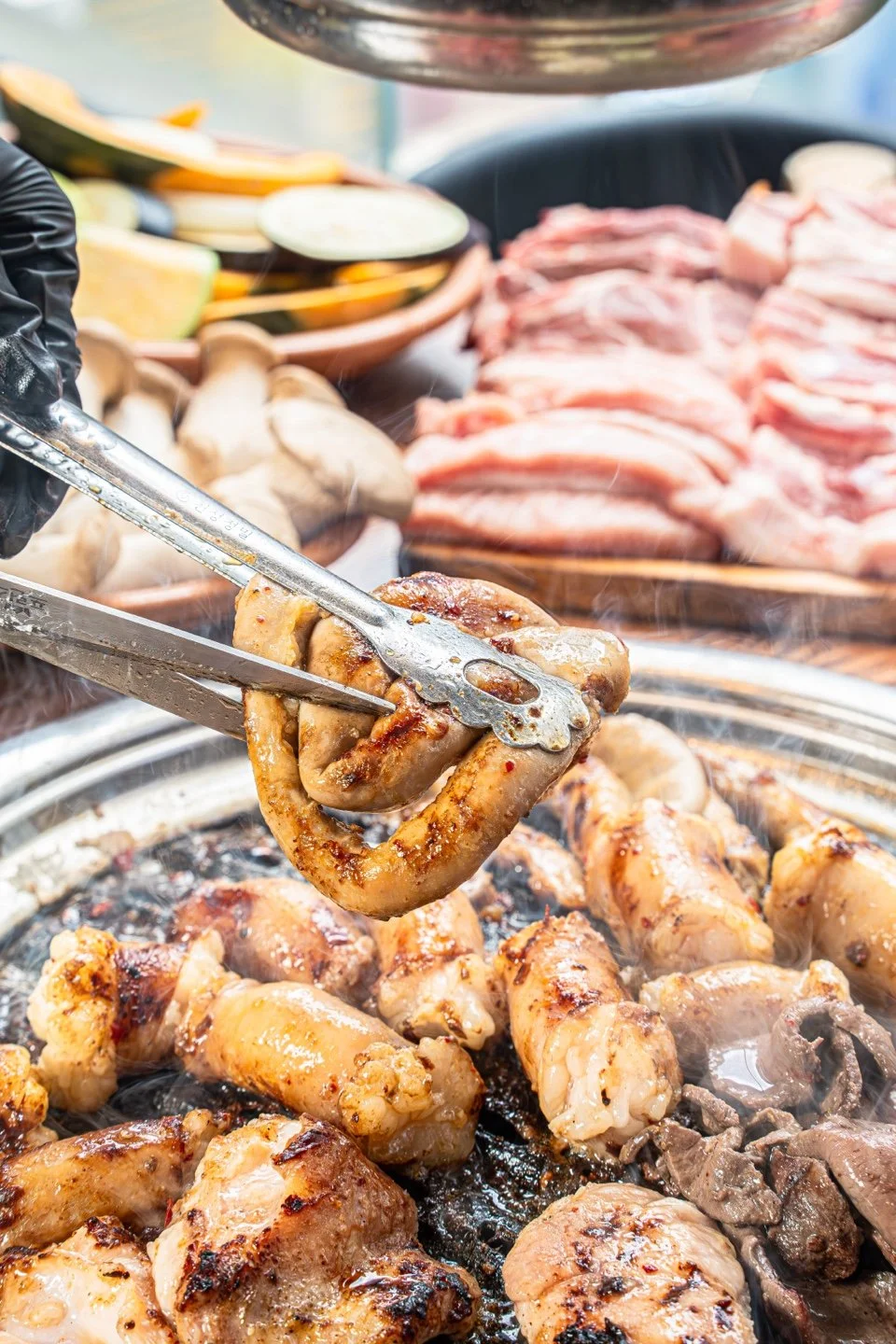
Gopchang and daechang are two of the most memorable parts of Korean BBQ culture. For people who already know samgyeopsal, galbi, bulgogi, or beef brisket, gopchang and daechang offer a deeper, richer, and more distinctive side of Korean grilling. They are bold, flavorful, textural, and closely connected to Korea’s late-night dining culture.
Korean BBQ is often introduced through beef and pork, but in Korea, grilled intestines have their own loyal following. Gopchang and daechang are not treated as side items. They are often the reason people choose a restaurant. The sound of sizzling fat, the smell of grilled beef intestine, the crisp edges, the chewy bite, the dipping sauces, the spicy sides, and the final fried rice or ramen all create a meal that feels different from standard BBQ.
Gopchang usually refers to small intestine, while daechang refers to large intestine. Both are popular in Korean cuisine, especially when grilled. They are rich and savory, but they are not the same. Gopchang has a chewier texture and deeper flavor, while daechang is known for its fattier, juicier, more indulgent bite. Together, they create one of the most satisfying combinations in Korean BBQ.
In Seoul, gopchang and daechang are often eaten at night, after work, after drinks, or as a full dinner with friends. They are the kind of food that people crave when they want something stronger than ordinary grilled meat. The flavor is not quiet. It is smoky, rich, oily, chewy, and deeply satisfying.
For anyone searching for gopchang, daechang, Korean BBQ, Korean beef intestines, or grilled intestines in Korea, understanding these two ingredients helps explain why Korean BBQ is much broader than beef steak or pork belly alone.
➣ READ ALSO : The Ultimate Guide to Korean BBQ in Seoul
Gopchang and Daechang Are More Than Just Intestines
At first, gopchang and daechang may sound unusual to people who are not familiar with Korean food. But in Korea, they are a normal and loved part of BBQ culture. Many people do not see them as adventurous food. They see them as comfort food, drinking food, and one of the most flavorful parts of Korean grilling.
The appeal comes from texture and richness. Gopchang has chew. Daechang has fat. When grilled properly, the outside becomes slightly crisp while the inside stays juicy. The flavor becomes stronger as the fat renders onto the grill. That sizzling, slightly smoky aroma is one of the reasons people recognize gopchang restaurants from the street.
This is different from eating lean meat. Gopchang and daechang are not about clean, mild flavor. They are about depth. They are for people who enjoy food with character.
That is also why they work so well with banchan and sauces. Spicy, sour, salty, and refreshing side dishes help balance the richness. A bite of daechang with a sharp sauce tastes different from a bite of gopchang with kimchi, garlic, or pickled vegetables. The meal keeps changing even when the main ingredients stay the same.
What Is Gopchang?
Gopchang usually refers to the small intestine of beef or pork, though beef gopchang is especially popular for grilled Korean BBQ. It has a chewy texture, a rich flavor, and a satisfying bite that becomes more intense when grilled.
When people talk about gopchang in Korea, they often imagine sizzling pieces of intestine on a hot pan or grill, served with vegetables, garlic, sauces, and sometimes potatoes, onions, green onions, or mushrooms. The outside can become crisp while the inside remains chewy and flavorful.
Gopchang is loved because it gives a texture that regular beef cuts cannot provide. Rib eye is tender. Brisket is thin and quick-cooking. Galbi is sweet and savory. But gopchang has chew, richness, and a deeper grilled flavor.
It is also strongly connected to Korea’s drinking culture. Many people enjoy gopchang with soju or beer because the rich, oily flavor pairs well with alcohol. The meal feels casual but satisfying, making it a popular choice for late dinners and social nights.
For Korean BBQ fans, gopchang is a way to move beyond standard meat cuts and experience something more intense.
➣ READ ALSO : What is Gopchang?
What Is Daechang?
Daechang refers to large intestine, and it is known for being richer and fattier than gopchang. If gopchang is chewy and deep, daechang is juicy and indulgent.
When daechang is grilled, the fat inside becomes the main attraction. It melts, crisps, and creates a strong savory flavor. The outside can become slightly golden and crisp, while the inside stays soft and rich. This contrast is what makes daechang so popular.
Daechang is not a light food. It is rich, oily, and best enjoyed with refreshing sides. Pickled radish, kimchi, green onion salad, spicy sauces, or vinegar-based dips can help balance the fattiness.
For many people, daechang is the most satisfying part of an intestine BBQ meal. It has a stronger “treat” feeling than regular meat because the flavor is intense and the texture is unique.
In Korean BBQ, daechang is often eaten slowly. You do not need a large amount to enjoy it. A few well-grilled pieces with the right sauce and banchan can be enough to make the meal memorable.
➣ READ ALSO : What is Daechang?
Gopchang vs Daechang: The Difference in Flavor and Texture
Gopchang and daechang are often mentioned together, but they are not interchangeable.
Gopchang has a chewier texture and a more compact bite. It is flavorful, slightly elastic, and satisfying for people who like texture. The taste is rich, but it does not feel as fatty as daechang.
Daechang is softer, fattier, and juicier. It is more indulgent and has a stronger oily richness. When grilled well, it becomes crisp outside and soft inside.
The best way to understand the difference is to think of gopchang as chewy and daechang as fatty. Gopchang gives bite. Daechang gives richness.
This is why many Korean BBQ meals include both. Eating only daechang can become too heavy. Eating only gopchang can feel too chewy for some people. Together, they balance each other. Add banchan, sauces, vegetables, rice, or ramen, and the meal becomes much more complete.
Why Gopchang and Daechang Are Popular in Korea
Gopchang and daechang are popular because they deliver a flavor that is difficult to find in ordinary grilled meat. They are rich, savory, and deeply satisfying. They also create a strong atmosphere at the table.
Korean BBQ is not only about eating. It is about sound, smell, heat, and sharing. Gopchang and daechang make that even stronger. As the fat renders, the grill becomes more aromatic. The table becomes more active. People wait for the right level of crispness. Someone turns the pieces. Someone reaches for sauce. Someone adds kimchi or vegetables. The meal becomes interactive.
They are also popular because they feel comforting. For many Koreans, gopchang and daechang are associated with nights out, casual gatherings, after-work meals, and late dinners. They are not formal foods. They are foods with energy.
In Seoul, where people often eat late and move between shopping, work, drinks, and social plans, gopchang and daechang fit naturally into the city’s rhythm.
Gopchang, Daechang, and Korean BBQ Culture
Korean BBQ culture is wide. It includes pork belly, pork neck, beef brisket, galbi, bulgogi, hanwoo, marinated meats, intestines, offal, grilled vegetables, banchan, soups, noodles, and rice.
Gopchang and daechang represent the richer side of that culture. They show that Korean BBQ is not only about premium steak-like cuts. It is also about texture, grilling skill, and bold flavors.
A table with gopchang and daechang feels different from a table with only lean beef. The meal is more intense. The flavor is stronger. The smell is deeper. The sauces and side dishes become more important because they balance the richness.
This is why gopchang and daechang often attract people who already enjoy Korean BBQ and want something beyond the basic experience. They are not the beginner version of Korean BBQ, but they are one of the most rewarding versions once you understand the appeal.
The Role of Banchan With Gopchang and Daechang
Banchan is essential when eating gopchang and daechang. Because the meat is rich, the side dishes need to balance it.
Kimchi adds spice and acidity. Pickled radish adds sharpness and freshness. Green onion salad adds a crisp, spicy bite. Lettuce or perilla leaves can make the bite feel lighter. Garlic adds strength. Bean sprouts add texture. White kimchi gives a refreshing, non-spicy contrast.
The best banchan for gopchang and daechang is usually something that cuts through fat. Daechang especially benefits from sharp or refreshing sides because it is rich. Gopchang works well with sauces and vegetables that support its chewiness.
This is one reason Korean BBQ is not complete with meat alone. Without banchan, gopchang and daechang can feel too heavy. With the right banchan, each bite becomes balanced.
A good gopchang or daechang meal moves between rich and refreshing. One bite is fatty. The next is sharp. One bite is chewy. The next is crisp. That contrast keeps the meal enjoyable.
Sauces That Work With Gopchang and Daechang
Sauces are another major part of the experience.
Gopchang and daechang often work well with salty, spicy, sour, or slightly sweet sauces. Sesame oil with salt gives a simple and classic taste. Soy-based sauces can add depth. Spicy sauces can make the fat feel less heavy. Vinegar-based sauces can refresh the bite. Ssamjang adds savory strength. Garlic-based sauces add intensity.
The right sauce depends on the person. Some people want the rich flavor of daechang to stay clean, so they use only salt. Others prefer strong sauces because they want balance. Some people like spice. Others prefer refreshing acidity.
At Mongvely, guests can enjoy beef intestine options in selected sets and courses, along with a sauce and salad bar. This helps create different combinations at the table. A bite of grilled intestine with sesame oil and salt feels different from a bite with ssamjang, onion sauce, wasabi, or seasoning powder.
The sauces matter because gopchang and daechang are not one-note foods. They change depending on what you pair with them.
Gopchang and Daechang in Myeongdong
Myeongdong is usually known for shopping, skincare, street food, cafes, and hotels, but it is also a useful area for Korean BBQ. People often come to Myeongdong for a full day of walking, shopping, sightseeing, or hotel stays. After that, a rich grilled meal can feel like the right way to end the day.
Gopchang and daechang fit well into this setting because they are filling and memorable. They are not quick snacks. They are sit-down foods. They require a grill, time, sauces, and side dishes. That makes them useful after a busy Myeongdong day when people want something more satisfying than street food.
Mongvely is an all-you-can-eat Korean BBQ restaurant in Myeongdong with a main branch near Myeongdong Station and a second branch near Euljiro 1-ga Station. In selected sets and courses, Mongvely offers beef intestine options such as large intestines, small intestines, stomach, and heart, along with beef, pork, banchan, sauces, vegetables, rice, ramen, cold noodles, soybean stew, and soft drinks depending on the selected course.
For people searching for gopchang and daechang in Myeongdong, the appeal is simple: a richer Korean BBQ experience in one of Seoul’s most convenient neighborhoods.
Why Daechang Feels So Satisfying
Daechang is often remembered because of its richness. It has a soft, fatty inside that becomes deeply savory when grilled. For people who enjoy rich food, daechang can be one of the most satisfying parts of Korean BBQ.
The key is balance. Daechang should not be eaten as if it were lean beef. It is richer, so it works best in smaller bites with strong side dishes. A piece of daechang with pickled radish tastes cleaner. A piece with kimchi tastes sharper. A piece with rice feels more filling. A piece with sauce becomes stronger.
This is why daechang is such a good shared food. It is intense enough that people naturally slow down. The table watches it grill, waits for the right texture, then eats it with different pairings.
Daechang is not trying to be subtle. Its appeal is that it is bold, fatty, and memorable.
Why Gopchang Has Loyal Fans
Gopchang fans usually love texture. The chewiness is the point. It is not soft like tender steak and not fatty in the same way as daechang. It has resistance, depth, and a satisfying grilled bite.
Good gopchang has a flavor that becomes stronger as it cooks. It works especially well when the outside gets slightly crisp. The contrast between crispness and chewiness makes it enjoyable.
Gopchang also pairs well with stronger sauces because it can hold flavor. A little salt, ssamjang, garlic, or spicy sauce can bring out different sides of it. It also works well with vegetables because the chewiness needs freshness around it.
For many people, gopchang is the more interesting option, while daechang is the more indulgent option. Together, they create a meal with both texture and richness.
Gopchang and Daechang as Late-Night Food
Gopchang and daechang are strongly associated with late-night dining in Korea. They are rich, satisfying, and social, which makes them natural choices after a long day or before drinks.
The meal feels relaxed. It is not usually rushed. People sit around the grill, talk, eat slowly, and order drinks or side dishes. The flavor is strong enough to hold attention, and the meal feels hearty enough for night dining.
In Myeongdong, late-night dining matters because the area stays active into the evening. People may finish shopping late, return from sightseeing, arrive after a flight, or come back from events and concerts. A restaurant that stays open late gives more flexibility.
Mongvely is open daily from 11:30 AM to 2:00 AM, making it useful for lunch, dinner, and late-night Korean BBQ in central Myeongdong. For people who want grilled beef, pork, or selected beef intestine options, late hours make the meal easier to fit into the day.
Gopchang, Daechang, Rice, Ramen, and the Final Bite
A rich BBQ meal often needs a good ending. In Korea, that ending might be rice, noodles, stew, or ramen.
Rice works well with gopchang and daechang because it absorbs flavor and balances richness. A bite of rice with grilled intestine and sauce feels more complete than intestine alone. Soybean stew adds warmth and depth. Cold noodles refresh the mouth after fatty meat. Ramen gives a casual, comforting finish.
At Mongvely, the in-store Hangang-style ramen machine adds a memorable element to the Korean BBQ table. After rounds of beef, pork, or selected intestine options, ramen can make the meal feel warmer and more satisfying. It also adds a Korean street-culture feeling indoors, especially for people who associate ramen machines with Hangang.
This matters because gopchang and daechang are rich. The meal becomes better when there are supporting dishes that help balance the intensity.
Gopchang and Daechang Is Not for Everyone, and That Is Fine
Gopchang and daechang have strong personalities. Some people love them immediately. Some need time. Some prefer standard beef and pork. That is normal.
The texture and richness are the main reasons people enjoy them, but those same qualities can be challenging for someone who prefers lean, mild meats. Gopchang is chewy. Daechang is fatty. Both have a stronger flavor than ordinary beef or pork cuts.
The best way to approach them is with an open mind and a small first portion. Try one piece with a simple sauce. Then try another with kimchi or pickled radish. Notice the texture before deciding.
For people who already love Korean BBQ, trying gopchang and daechang can make the meal feel more complete. For people who prefer familiar meats, beef and pork are still excellent choices.
A good Korean BBQ table should allow both.
Final Thoughts: The Rich Side of Korean BBQ
Gopchang and daechang show why Korean BBQ is more than grilled beef and pork. They bring texture, richness, aroma, and intensity to the table. Gopchang is chewy, deep, and satisfying. Daechang is fatty, juicy, and indulgent. Together, they create a Korean BBQ experience that feels bold and memorable.
They are not quiet foods. They are foods that announce themselves through the grill. The fat sizzles. The aroma rises. The sides become important. The sauces change the bite. The table slows down.
In Myeongdong, where people often look for convenient food after shopping, hotels, night walks, and central Seoul plans, gopchang and daechang can offer a more distinctive Korean BBQ experience. Mongvely includes selected beef intestine options in some sets and courses, along with beef, pork, banchan, sauces, vegetables, rice, ramen, cold noodles, soybean stew, and late-night hours.
For anyone searching for gopchang, daechang, Korean BBQ, grilled beef intestines, or Korean intestine BBQ in Seoul, these ingredients represent one of the richest and most flavorful sides of Korean dining.
FAQ: Gopchang and Daechang
What is gopchang?
Gopchang usually refers to small intestine, often beef small intestine when used for Korean BBQ. It is known for its chewy texture and rich flavor.
What is daechang?
Daechang refers to large intestine. It is known for being fattier, softer, and juicier than gopchang.
What is the difference between gopchang and daechang?
Gopchang is chewier and deeper in flavor, while daechang is fattier, juicier, and more indulgent.
Is gopchang beef or pork?
Gopchang can refer to beef or pork intestine, but beef gopchang is especially common in grilled Korean BBQ.
Is daechang beef?
Daechang commonly refers to beef large intestine in Korean BBQ.
What does gopchang taste like?
Gopchang tastes rich, savory, and slightly chewy. The flavor becomes stronger and more aromatic when grilled.
What does daechang taste like?
Daechang tastes rich, fatty, juicy, and savory. It has a softer bite than gopchang.
Is gopchang spicy?
Gopchang itself is not necessarily spicy. The spice level depends on the sauce, seasoning, or side dishes served with it.
Is daechang spicy?
Daechang itself is not necessarily spicy, but it is often eaten with spicy or sharp sauces to balance the richness.
Why is daechang so rich?
Daechang is rich because it contains a lot of fat. When grilled, the fat renders and creates a juicy, savory flavor.
What should I eat with gopchang?
Gopchang pairs well with kimchi, pickled radish, garlic, ssamjang, sesame oil, lettuce, rice, and spicy or vinegar-based sauces.
What should I eat with daechang?
Daechang pairs well with refreshing sides like pickled radish, kimchi, white kimchi, rice, lettuce, and sharp sauces.
Is gopchang popular in Korea?
Yes. Gopchang is a popular Korean BBQ and late-night dining food, especially among people who enjoy chewy textures and rich flavors.
Is daechang popular in Korea?
Yes. Daechang is popular because of its fatty, juicy texture and strong grilled flavor.
Can beginners try gopchang and daechang?
Yes, but beginners should start with a small amount. Gopchang and daechang have stronger textures and flavors than standard beef or pork cuts.
Does Mongvely serve gopchang and daechang?
Mongvely offers selected beef intestine options in some sets and courses, including small intestines and large intestines, along with beef, pork, banchan, sauces, and other Korean BBQ items.
Where is Mongvely located?
Mongvely has a main branch near Myeongdong Station and a second branch near Euljiro 1-ga Station.
What time is Mongvely open?
Mongvely is open daily from 11:30 AM to 2:00 AM.
Is gopchang good for late-night food?
Yes. Gopchang is commonly enjoyed as a late-night food in Korea because it is rich, filling, and good for sharing.
Is daechang good with soju?
Many people enjoy daechang with soju or beer because the rich flavor pairs well with drinks.
Are gopchang and daechang part of Korean BBQ?
Yes. Gopchang and daechang are part of Korean grilled intestine BBQ culture and are often cooked at the table like other Korean BBQ meats.
Visit Us Now!
Mongvely Main Branch
Address: Myeongdong 8na-gil 9 3rd Floor
Opening Hours: 11:30 a.m. to 2:00 a.m.
Mongvely 2nd Branch
Address: Myeongdong 3-gil 44 2nd Floor
Opening Hours: 11:30 a.m. to 2:00 a.m.
Plan your visit → Book a Table
Follow us on Instagram → @kbbqmongvely
