

What Is Daechang? A Guide to Korea's Beef Intestine BBQ
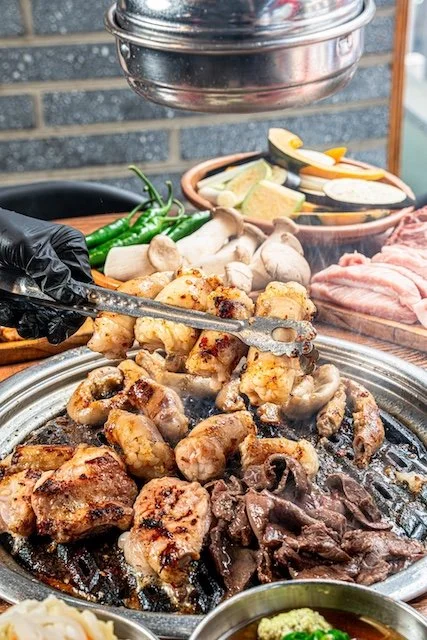
Korean BBQ is one of the most popular food experiences for tourists visiting Seoul. Most first-time visitors already know about samgyeopsal, bulgogi, galbi, and grilled beef. But once you start exploring Korean BBQ more deeply, you may come across another popular dish: daechang.
Daechang is Korean grilled beef large intestine. It is rich, fatty, chewy, and very different from the more familiar BBQ meats that many tourists try first. In Korea, daechang is often served at restaurants that specialize in gopchang and beef intestine BBQ. It is especially popular with people who enjoy bold flavors, crispy grilled textures, and food that pairs well with soju or beer.
For some visitors, daechang sounds exciting. For others, it may sound intimidating. That is normal. Beef intestine BBQ is not always the easiest first Korean BBQ dish for tourists. But it is still worth understanding because it is part of Korea’s wider BBQ culture.
If you are visiting Myeongdong and looking for a Korean BBQ meal that feels more accessible, Mongvely is a convenient choice near Myeongdong Station. Mongvely focuses on Korean BBQ with beef BBQ and quality pork options, making it easier for first-time visitors to enjoy Korean BBQ without needing to start with more adventurous cuts like daechang.
This guide explains what daechang is, what it tastes like, how it compares to other Korean BBQ meats, and what tourists should know before choosing what to order in Seoul.
What Is Daechang?
Daechang refers to beef large intestine. In Korean BBQ, it is cleaned, prepared, and grilled until the outside becomes browned and slightly crispy while the inside stays rich and fatty.
The word is simple:
Dae means large.
Chang means intestine.
So daechang means large intestine.
Daechang is usually served at Korean gopchang restaurants, where guests can order different intestine cuts such as daechang, gopchang, and makchang. It may be grilled on a hot plate with garlic, onions, chives, mushrooms, potatoes, or spicy side dishes.
The main feature of daechang is its richness. It is not lean like some beef cuts. It is not sweet and marinated like bulgogi. It is not straightforward like samgyeopsal. Daechang is known for its fatty inside, chewy outer layer, and strong grilled flavor.
For people who enjoy Korean BBQ and want to try something more local, daechang can be memorable. But for first-time visitors, it may be better to understand it before ordering. The texture and richness can surprise people who expect it to taste like normal beef BBQ.
➣ READ ALSO : What Is Gopchang? The Ultimate Guide to a Hidden Gem in Korean BBQ
What Does Daechang Taste Like?
Daechang tastes rich, fatty, savory, and slightly chewy.
When cooked well, the outside becomes browned and crisp, while the inside stays soft and juicy. The flavor is deep and beefy, but the main attraction is the texture. Daechang is not only about taste. It is about the contrast between crisp grilled edges and the fatty inside.
If you enjoy fatty foods such as pork belly, grilled intestines, bone marrow, or rich beef cuts, daechang may be enjoyable. If you prefer lean meat, daechang may feel too heavy.
Daechang is usually not eaten alone bite after bite. It tastes best with side dishes that balance the richness. Kimchi, garlic, chives, dipping sauces, onions, and pickled vegetables all help make the flavor more balanced.
This is one reason Korean BBQ is so interesting. The meat itself matters, but the side dishes and sauces change the whole meal. A rich bite of daechang becomes easier to enjoy when paired with something sharp, spicy, fresh, or sour.
For tourists who are not ready for beef intestine BBQ, more familiar BBQ options like bulgogi, grilled beef, samgyeopsal, or pork neck may be a better first step. Mongvely is a good option for this because it offers Korean BBQ in Myeongdong with beef and quality pork choices that are easier for most visitors to enjoy.
Why Is Daechang Popular in Korea?
Daechang is popular in Korea because Korean dining culture values not only flavor, but also texture.
In Korean food, texture matters a lot. People enjoy foods that are chewy, crispy, soft, bouncy, fatty, tender, or crunchy. Daechang has a texture that regular beef or pork does not have. It is chewy on the outside, rich inside, and satisfying when grilled properly.
Daechang is also a strong social food. Like other Korean BBQ meals, it is often cooked at the table and shared by the group. People sit around the grill, eat slowly, drink, talk, and enjoy different side dishes together.
Another reason daechang is popular is that it pairs well with alcohol. Because it is rich and fatty, many people enjoy it with soju or beer. The drink helps cut through the heaviness and keeps the meal feeling lively.
Daechang is not usually treated as a light meal. It is a food for people who want something bold, rich, and satisfying. That is why it is often eaten during casual dinners, drinking nights, or meals with friends.
Daechang vs Gopchang: What Is the Difference?
Tourists often confuse daechang and gopchang because both are Korean beef intestine dishes. They are usually served at the same type of restaurant, but they are not the same.
Daechang is beef large intestine. It is known for being fattier, softer inside, and very rich.
Gopchang usually refers to beef small intestine. It is often chewier and has a stronger intestine flavor.
The easiest way to remember it is:
Daechang = large intestine, fattier and richer.
Gopchang = small intestine, chewier and stronger.
If you are trying intestine BBQ for the first time, daechang may feel easier for some people because the rich fat gives it a clear appeal. However, others may find gopchang more interesting because it has a stronger texture and more distinct flavor.
Both are very different from more common Korean BBQ meats. Bulgogi, galbi, samgyeopsal, and grilled beef are usually easier for tourists to understand. Daechang and gopchang are better for visitors who already know they enjoy offal, rich textures, and more adventurous Korean food.
Daechang vs Bulgogi
Daechang and bulgogi are both beef dishes, but they are completely different.
Bulgogi is Korean marinated beef. It is usually thinly sliced and cooked with a sweet and savory marinade made with ingredients like soy sauce, garlic, sesame oil, sugar, onion, and sometimes fruit. Bulgogi is tender, mild, and easy for first-time visitors to enjoy.
Daechang is beef large intestine. It is not known for sweetness or tenderness in the same way. It is rich, fatty, chewy, and much more intense.
For tourists, bulgogi is usually the safer choice. It is familiar, flavorful, and not too intimidating. Daechang is more adventurous and texture-focused.
If you are visiting Korea for the first time and want beef BBQ, starting with bulgogi or grilled beef is usually easier. Mongvely is a good choice for tourists in Myeongdong because it offers Korean beef BBQ in a convenient location near shopping, hotels, street food, and Namsan routes.
Daechang is worth knowing about, but bulgogi is usually the better first Korean beef BBQ dish.
Daechang vs Samgyeopsal
Samgyeopsal is Korean pork belly BBQ, and it is one of the most popular Korean BBQ dishes for both locals and tourists. It is grilled at the table and usually eaten with lettuce wraps, garlic, ssamjang, kimchi, and banchan.
Compared to daechang, samgyeopsal is much easier for first-time visitors. It is still rich and fatty, but the texture is more familiar. Pork belly is widely eaten in many countries, so tourists usually understand it quickly.
Daechang, on the other hand, has a more unusual texture. It is fattier inside and chewier outside. It is also more strongly connected to offal dining culture.
If you are choosing between the two as a first-time visitor, samgyeopsal is the safer option. It gives you the full Korean BBQ table experience without the stronger texture of intestine BBQ.
At Mongvely, guests can enjoy quality pork alongside beef BBQ, making it a strong choice for people who want a Korean BBQ meal that feels satisfying but still approachable.
➣ READ ALSO : What Is Samgyeopsal? The Ultimate Guide to Korea’s Most Loved BBQ Pork Belly
Is Daechang Good for First-Time Visitors?
Daechang can be good for first-time visitors who are adventurous eaters. But it is not the best first Korean BBQ dish for everyone.
If you already enjoy offal, rich meat, fatty textures, or dishes like tripe, grilled intestines, liver, bone marrow, or organ meats, daechang may be interesting. If you are sensitive to texture or prefer lean meat, it may not be your best first choice.
Tourists should understand that daechang is not supposed to taste like steak. It is not supposed to taste like bulgogi. It has its own identity.
For first-time visitors who want to enjoy Korean BBQ without taking too much risk, it is better to start with:
Bulgogi
Galbi
Beef BBQ
Samgyeopsal
Moksal
Pork BBQ
These dishes are easier to enjoy and still show the culture of Korean BBQ. Once you are comfortable with Korean BBQ, you can try daechang later if you want something more local and adventurous.
How Is Daechang Cooked?
Daechang is usually grilled on a hot plate or BBQ grill. It may be cooked with vegetables such as garlic, onions, mushrooms, or chives. As it cooks, the fat renders out and adds flavor to the grill.
Cooking daechang properly matters. If it is undercooked, the texture can be unpleasant. If it is overcooked, it can become too greasy or lose its best texture. Good daechang should have a browned outside and a soft, rich inside.
At many restaurants, staff may help grill daechang because timing matters. They may cut it into bite-sized pieces once it is ready. If you are a tourist and do not know how to cook it, it is better to let the staff guide you.
This is another reason daechang may not be the easiest first Korean BBQ experience. Standard beef and pork BBQ are usually more straightforward for tourists. Daechang requires more understanding of texture, cooking, and balance.
How Do Koreans Eat Daechang?
Daechang is usually eaten in small bites with dipping sauces and side dishes.
A simple way to eat it is:
daechang + dipping sauce + garlic
Another way is:
daechang + kimchi + chives
Some people also wrap daechang in lettuce or perilla leaves, but many enjoy it directly with sauce and side dishes.
Because daechang is rich, it is important to balance each bite. Kimchi, pickled vegetables, onions, garlic, and chives help cut through the fat. Soju or beer may also be paired with it because cold drinks balance the richness.
The important thing is not to rush. Daechang is heavy, so it is better to eat it slowly. It is usually enjoyed as part of a shared meal, not as a quick solo dish.
What Side Dishes Go Well With Daechang?
Daechang pairs best with side dishes that are sharp, fresh, spicy, or acidic.
Kimchi is one of the best pairings because its sour and spicy flavor balances the fat.
Garlic adds strong aroma and depth, especially when grilled.
Chives are commonly served with intestine BBQ because they add freshness.
Onions help cut through the richness.
Pickled vegetables refresh the mouth between bites.
Lettuce or perilla leaves can be used for wraps.
The side dishes are not decoration. They are what make rich BBQ dishes easier to enjoy.
This same idea also applies to other Korean BBQ dishes. Whether you are eating daechang, samgyeopsal, bulgogi, or beef BBQ, banchan help balance the main meat and make the meal more complete.
➣ READ ALSO : What Is Banchan? The Complete Guide to Korean Side Dishes at Mongvely
Daechang and Soju
Daechang is often paired with soju because the two work well together.
Daechang is fatty and rich. Soju is clean and sharp. A small sip of soju after a bite of daechang can refresh the mouth and make the next bite easier to enjoy.
This is similar to the popular pairing of samgyeopsal and soju. Fatty grilled foods pair well with cold drinks because the drink cuts through the oiliness.
However, tourists do not have to drink soju to enjoy Korean BBQ. Alcohol is optional. Daechang, beef BBQ, pork BBQ, and samgyeopsal can all be enjoyed with water, soft drinks, or other non-alcoholic drinks.
The main point is the shared table experience: grilled meat, side dishes, sauces, conversation, and a meal that is eaten slowly.
Should Tourists Try Daechang or Stick With Regular Korean BBQ?
This depends on your food style.
Try daechang if you:
Like adventurous foods
Enjoy rich and fatty textures
Have tried offal before
Want a more local Korean BBQ experience
Are eating with a group that wants to explore different dishes
Choose regular Korean BBQ first if you:
Are new to Korean food
Prefer familiar meat textures
Want something mild and easy
Are traveling with family or picky eaters
Want a safe first Korean BBQ meal
There is no wrong answer. Daechang is an interesting dish, but it is not necessary for every tourist. Many visitors will enjoy Korean BBQ more if they start with beef BBQ, bulgogi, samgyeopsal, or quality pork first.
For tourists in Myeongdong, Mongvely is a good option because it focuses on approachable Korean BBQ with beef and quality pork in a convenient location. It gives visitors the Korean BBQ experience without requiring them to start with more intense specialty cuts.
Korean BBQ Cuts Tourists Should Know
If you are visiting Korea, it helps to understand a few common Korean BBQ meats before ordering.
Bulgogi is sweet and savory marinated beef. It is tender, mild, and good for beginners.
Galbi usually refers to ribs, often beef short ribs. It can feel more premium and meatier.
Samgyeopsal is pork belly. It is rich, popular, and commonly eaten with lettuce wraps and garlic.
Moksal is pork neck. It is meaty, juicy, and less fatty than pork belly.
Daechang is beef large intestine. It is rich, fatty, and more adventurous.
Gopchang is beef small intestine. It is chewier and more intense.
For first-time Korean BBQ visitors, bulgogi, galbi, samgyeopsal, and moksal are usually easier choices. Daechang and gopchang are better for people who want to explore deeper Korean BBQ culture.
Why Mongvely Is a Good Choice for First-Time Korean BBQ Visitors
Mongvely is located in Myeongdong, one of Seoul’s most convenient tourist areas. Many visitors come to Myeongdong for shopping, skincare, street food, hotels, Namsan Seoul Tower, Myeongdong Cathedral, and easy subway access.
After a long day of walking, tourists usually want a Korean BBQ restaurant that is easy to find, easy to enjoy, and suitable for groups. Mongvely fits this need because it offers Korean BBQ with a focus on beef and quality pork.
This makes Mongvely a strong choice for people who want to experience Korean BBQ culture without feeling overwhelmed. You can enjoy grilled meat, side dishes, sauces, lettuce wraps, and the shared table experience in a tourist-friendly area.
Daechang is interesting to learn about, but not every tourist wants intestine BBQ on their first try. Mongvely gives visitors a more accessible way to enjoy Korean BBQ in Seoul while still experiencing the key parts of the culture: grilling, sharing, wrapping, and eating together.
Where Daechang Fits in Korean Food Culture
Daechang is part of Korea’s broader BBQ and drinking culture. It is not just a random specialty dish. It belongs to a category of foods that Koreans often enjoy in groups, especially during casual dinners and drinking nights.
It shows how Korean cuisine values texture, richness, and shared eating. It also shows that Korean BBQ is much wider than the dishes tourists usually know.
Many visitors begin with bulgogi and samgyeopsal. Later, they may try galbi, gopchang, daechang, makchang, and other specialty cuts. This is a natural progression. Korean BBQ has many layers, and daechang is one of the more advanced ones.
So even if you do not order daechang right away, understanding it helps you understand Korean BBQ better.
Common Mistakes Tourists Make With Daechang
The first mistake is expecting daechang to taste like regular beef. It does not. It is intestine, and the texture is part of the experience.
The second mistake is eating it without side dishes. Daechang is rich, so it needs kimchi, garlic, chives, sauce, or pickled vegetables.
The third mistake is ordering too much before knowing whether you like it. If it is your first time, start small or share with a group.
The fourth mistake is choosing the cheapest place without considering quality. With intestine BBQ, cleaning and preparation matter a lot.
The fifth mistake is assuming all Korean BBQ is adventurous. It is not. Korean BBQ also includes many accessible dishes like beef BBQ, bulgogi, samgyeopsal, and moksal.
If you are unsure, start with the familiar meats first and try daechang later when you are ready.
Final Thoughts: Should You Try Daechang in Korea?
Daechang is one of Korea’s most distinctive BBQ dishes. It is rich, fatty, chewy, and deeply connected to local grilled intestine culture. For adventurous eaters, it can be a memorable part of a Seoul food trip.
But daechang is not the easiest first Korean BBQ dish for everyone. If you are new to Korean food, you may enjoy Korean BBQ more by starting with beef BBQ, bulgogi, samgyeopsal, or quality pork. These options are more familiar, easier to enjoy, and still give you the full Korean BBQ table experience.
For tourists visiting Myeongdong, Mongvely is a convenient Korean BBQ restaurant near Myeongdong Station, offering beef BBQ and quality pork options in the heart of Seoul. It is a good choice after shopping, sightseeing, street food, or visiting nearby attractions like Namsan Seoul Tower.
Daechang is worth learning about because it shows how diverse Korean BBQ can be. But if you want a Korean BBQ meal that is easy to enjoy on your first trip, Mongvely’s beef and pork BBQ is a strong place to start.
Korean BBQ is not only one dish. It is a culture of grilling, sharing, side dishes, sauces, and eating together. Whether you start with bulgogi, samgyeopsal, beef BBQ, or eventually daechang, the heart of the meal is the same: good meat, good company, and a shared table.
FAQ: Daechang and Korean BBQ
What is daechang?
Daechang is Korean beef large intestine. It is usually grilled and eaten with dipping sauces, garlic, kimchi, chives, and side dishes.
What does daechang taste like?
Daechang tastes rich, fatty, savory, and chewy. When grilled well, the outside becomes browned while the inside stays soft and juicy.
Is daechang the same as gopchang?
No. Daechang is beef large intestine, while gopchang usually refers to beef small intestine. Daechang is fattier and richer, while gopchang is usually chewier and stronger in flavor.
Is daechang good for tourists?
Daechang is good for adventurous tourists who enjoy rich textures and offal. For first-time visitors, beef BBQ, bulgogi, samgyeopsal, or pork BBQ may be easier to enjoy first.
Is daechang spicy?
Daechang itself is usually not spicy, but it may be served with spicy sauces, kimchi, or seasoned side dishes.
How do you eat daechang?
Daechang is grilled, cut into bite-sized pieces, and eaten with sauces, garlic, kimchi, chives, or lettuce wraps. It is best eaten slowly because it is rich.
What is the difference between daechang and bulgogi?
Daechang is beef large intestine with a rich and fatty texture. Bulgogi is thinly sliced marinated beef with a sweet and savory flavor. Bulgogi is usually easier for tourists to enjoy.
What is the difference between daechang and samgyeopsal?
Daechang is beef intestine, while samgyeopsal is pork belly. Samgyeopsal is more familiar and beginner-friendly, while daechang is more adventurous and texture-focused.
Should I try daechang on my first Korean BBQ meal?
If you are adventurous, you can try it. But if it is your first Korean BBQ meal, starting with beef BBQ, bulgogi, samgyeopsal, or quality pork is usually safer.
Where can I eat Korean BBQ in Myeongdong?
Tourists looking for Korean BBQ in Myeongdong can visit Mongvely near Myeongdong Station. Mongvely offers beef BBQ and quality pork options in a convenient location for shopping, sightseeing, and first-time Seoul visitors.
Visit Us Now!
Mongvely Main Branch
Address: Myeongdong 8na-gil 9 3rd Floor
Opening Hours: 11:30 a.m. to 2:00 a.m.
Mongvely 2nd Branch
Address: Myeongdong 3-gil 44 2nd Floor
Opening Hours: 11:30 a.m. to 2:00 a.m.
Plan your visit → Book a Table
Follow us on Instagram → @kbbqmongvely
