

20 Must-Visit Spots in Seoul: Best Places to See, Eat, Shop, and Walk
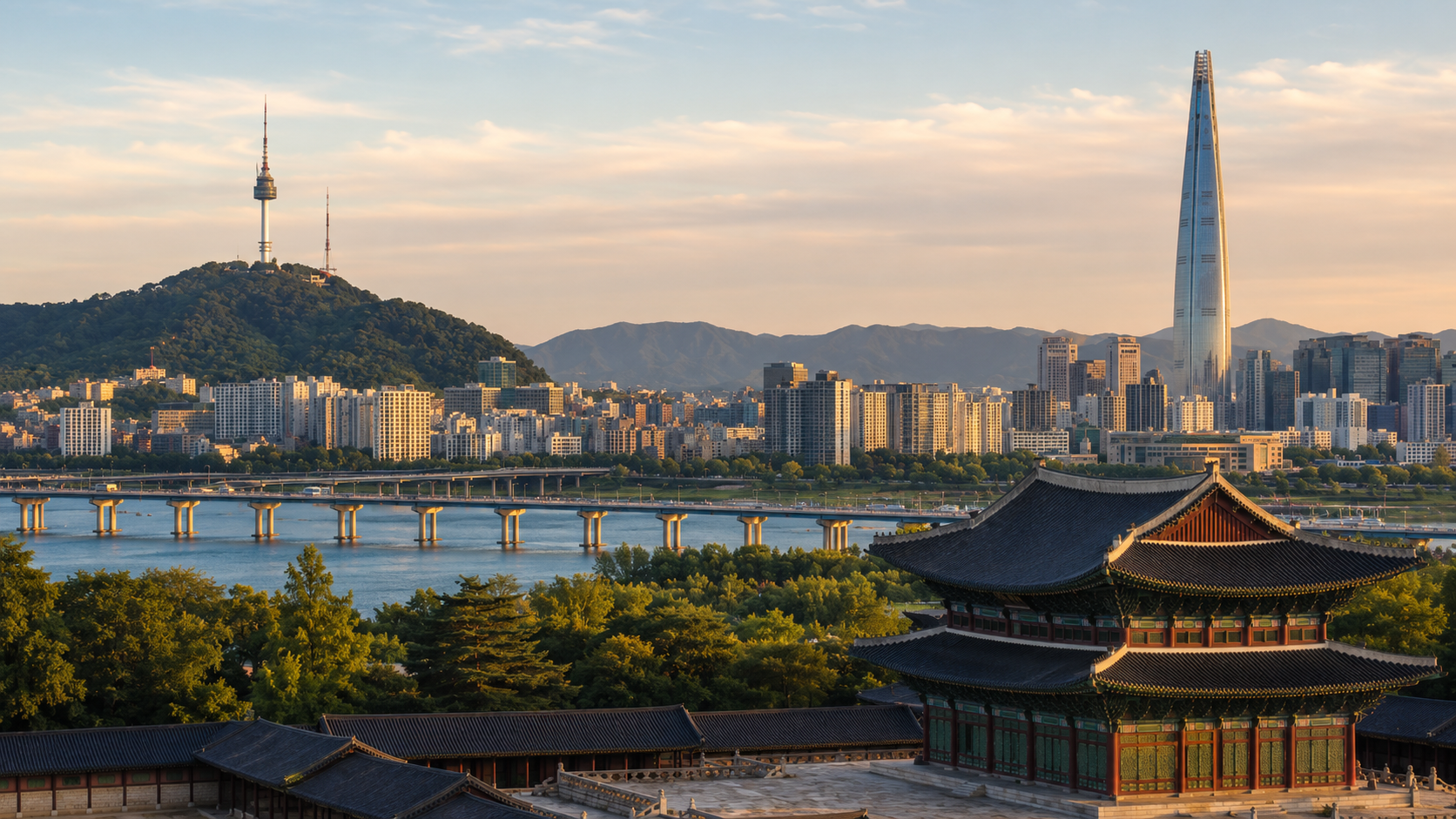
Seoul is not a city that can be understood from one neighborhood. The best way to experience it is to move through its contrasts: royal palaces beside glass towers, hanok alleys beside modern cafes, traditional markets beside fashion streets, quiet streams beneath traffic roads, and late-night food streets that stay bright long after sunset.
This guide brings together 20 must-visit spots in Seoul for a balanced trip. It includes the classic places that deserve their reputation, but also practical neighborhoods that make Seoul easier to enjoy: where to walk, where to shop, where to eat, where to take photos, where to rest, and where to go when the weather changes.
Instead of rushing through everything, use this guide to group nearby places together. Seoul is large, but many of its best routes are built from smart combinations: Gyeongbokgung with Bukchon and Insadong, Myeongdong with Namsan and Cheonggyecheon, Seongsu with Seoul Forest, COEX with Bongeunsa, and Jamsil with Seoul Sky and Seokchon Lake.
1. Gyeongbokgung Palace
Gyeongbokgung Palace is one of the most important historic landmarks in Seoul and usually the best palace to start with. It gives a strong first impression of Joseon-era architecture, wide palace grounds, mountain views, gates, courtyards, and formal royal space.
The best time to go is in the morning, before the area becomes too crowded. The light is better, the air feels calmer, and it is easier to take your time. Do not treat Gyeongbokgung as only a photo stop. Walk slowly through the main gate, look at the scale of the buildings, and notice how the palace is positioned with the mountains behind it.
A strong route is Gyeongbokgung first, then Bukchon Hanok Village, then Insadong or Ikseon-dong. This keeps the day focused around Jongno and avoids wasting energy on long subway transfers.
2. Bukchon Hanok Village
Bukchon Hanok Village is one of Seoul’s most famous hanok areas, located between Gyeongbokgung Palace and Changdeokgung Palace. It is known for traditional Korean houses, narrow slopes, tiled roofs, and views that show old Seoul against the modern city.
The most important tip is to remember that Bukchon is still a residential area. Go quietly, avoid blocking alleys, and do not treat every doorway like a photo booth. The neighborhood is best enjoyed slowly. Walk a short route, take in the roofs and streets, then continue toward Anguk, Insadong, or Changdeokgung.
Bukchon is not the easiest walk because of the slopes, so comfortable shoes matter. It is also better in the morning or late afternoon when the light is softer and the streets feel less intense.
3. Changdeokgung Palace and Secret Garden
Changdeokgung is often the palace people appreciate more after they have already seen Gyeongbokgung. It feels more natural, quieter, and more connected to the landscape. Its Secret Garden is especially worth considering if you like calm walking routes, trees, ponds, and historical atmosphere.
This is not the palace to rush. The best experience comes from giving it time. If you are choosing between several palaces, Gyeongbokgung is the grand first impression, while Changdeokgung is the more atmospheric one.
A good plan is to combine Changdeokgung with Bukchon, Ikseon-dong, and Insadong. All of these areas sit close enough to create a strong cultural walking day without crossing the city.
4. Insadong
Insadong is one of Seoul’s best areas for traditional crafts, tea houses, galleries, ceramics, calligraphy goods, paper products, antiques, and small cultural shops. It is central, walkable, and easy to combine with palaces or hanok neighborhoods.
The mistake many people make is walking only the main street and leaving too quickly. Insadong is better when you step into side alleys, browse slowly, and take a proper tea break. It is also a good area to buy gifts that feel more Korean than generic souvenirs.
Insadong works well after Gyeongbokgung or Bukchon because the mood continues naturally. After walking through palace grounds and hanok streets, Insadong gives you shops, tea, and food without breaking the traditional atmosphere.
5. Ikseon-dong Hanok Village
Ikseon-dong is one of Seoul’s most photogenic small neighborhoods. It has narrow hanok-style alleys filled with cafes, restaurants, dessert shops, boutiques, and small concept spaces. Compared with Bukchon, Ikseon-dong feels more commercial and modern, but that is part of its appeal.
This is a good place for a cafe break or casual meal, especially when you are already near Jongno, Insadong, or Changdeokgung. The streets are narrow, so it can feel crowded on weekends. Weekdays are easier.
Ikseon-dong is not about major sightseeing. It is about atmosphere. Come for the alleys, small storefronts, warm lights, and the contrast between traditional architecture and modern Seoul cafe culture.
6. Myeongdong
Myeongdong is one of Seoul’s most practical and energetic districts. It is known for shopping, beauty stores, street food, hotels, currency exchange, department stores, and easy access to central Seoul. It is also close to Namsan, Euljiro, City Hall, Cheonggyecheon, and Seoul Station, which makes it useful as a base.
The best way to enjoy Myeongdong is to avoid treating it only as a shopping street. Use it as a central rest point. Shop, take a cafe break, drop bags at your hotel if you are staying nearby, try a few street food items, then sit down for a real dinner.
Myeongdong is especially good at night. The signs, crowds, food stalls, and beauty stores give the area its proper energy after sunset.
7. Namsan Seoul Tower
Namsan Seoul Tower is one of the best-known landmarks in Seoul and still one of the strongest places for city views. It sits on Namsan Mountain, close to Myeongdong, Hoehyeon, Itaewon, and central Seoul.
The key tip is timing. Midday can be bright and tiring, especially in summer. Late afternoon and evening are usually better. You get softer light, cooler air, and night views as Seoul starts to glow.
You can reach the area by walking, bus, or cable car depending on your energy level. The walk can be pleasant in spring and autumn, but it is not something to underestimate in hot or icy weather. A simple route is Myeongdong shopping first, Namsan later, then dinner nearby.
8. Cheonggyecheon Stream
Cheonggyecheon is an 11-kilometer stream running through downtown Seoul. It is one of the easiest places to add to a central Seoul itinerary because it sits near Gwanghwamun, Jongno, Euljiro, City Hall, and Myeongdong.
You do not need to walk the whole stream. A short section is enough. The best route depends on your day: Gwanghwamun to Jongno for a more central walk, or Euljiro toward Myeongdong if you want to connect it with dinner and shopping.
Cheonggyecheon is especially useful when you want a break from road traffic without leaving the city center. In the evening, the lights and water make it feel calmer than the streets above.
9. Gwangjang Market
Gwangjang Market is one of Seoul’s best traditional markets for food. It is especially known for bindaetteok, mayak gimbap, assorted jeon, noodles, dumplings, and other Korean market foods. It is busy, direct, noisy, and full of movement.
This is not the place for a slow restaurant-style meal. It is better for tasting several things and experiencing market energy. Go with cash and patience. Seats can be tight, menus can move quickly, and the best approach is to choose a few foods instead of trying to eat everything.
Gwangjang Market pairs well with Jongno, Cheonggyecheon, Dongdaemun, and Ikseon-dong. It is also a good rainy-day food stop because much of the market is covered.
10. Dongdaemun Design Plaza
Dongdaemun Design Plaza, often called DDP, is one of Seoul’s most recognizable modern architectural landmarks. It is known for its curved design, exhibition spaces, design-related events, night views, and connection to Dongdaemun’s fashion district.
DDP is best in the late afternoon or evening, when the building’s shape and lighting feel more dramatic. It is also useful in bad weather because parts of the area connect to indoor shopping and exhibitions.
A good route is Gwangjang Market, Cheonggyecheon, then DDP. That gives you traditional market food, a downtown stream walk, and modern Seoul design in one connected route.
11. Hongdae
Hongdae is Seoul’s youth culture and street energy district. It is known for fashion shops, music, cafes, nightlife, street performances, photo booths, accessories, casual restaurants, and a younger creative atmosphere.
The area changes by time of day. Afternoon Hongdae is good for shopping and cafes. Evening Hongdae is better for energy, street activity, and nightlife. Weekends can be very crowded, so go on a weekday if you want the area to feel less packed.
Hongdae is not a quiet neighborhood, and that is the point. Go when you want movement, music, people-watching, shopping, and casual food rather than traditional sightseeing.
12. Seongsu-dong
Seongsu has become one of Seoul’s strongest cafe, fashion, pop-up, and lifestyle districts. Old industrial spaces, warehouses, small alleys, concept stores, dessert cafes, and brand pop-ups give the area a very different feeling from Myeongdong or Gangnam.
Seongsu is best when you leave time to wander. Do not go with only one cafe saved and then leave. The neighborhood works because you discover things by walking: a new pop-up, a small store, a bakery, a showroom, or a cafe in a converted building.
It pairs naturally with Seoul Forest and Ttukseom Hangang Park. This makes it a strong half-day plan for people who like cafes, shopping, and modern Seoul style.
13. Seoul Forest
Seoul Forest is one of the best green spaces in the city and a good balance to Seongsu’s cafes and shops. It gives you trees, walking paths, open space, and a slower pace without needing to leave Seoul.
The best plan is to visit Seoul Forest before or after Seongsu. Start with a walk, then move into cafes and shops, or do the reverse if you need fresh air after eating and shopping.
Seoul Forest is especially nice in spring and autumn, but it can work in any season if you dress properly. In summer, go earlier or later in the day. In winter, keep the walk shorter and use Seongsu cafes as warm breaks.
14. Yeouido Hangang Park
Yeouido Hangang Park is one of the easiest Han River areas to understand and enjoy. It has wide river views, open lawns, picnic areas, cycling routes, convenience stores, seasonal activities, and a classic Seoul riverside atmosphere.
This is the place to slow down. Bring a drink, walk by the river, rent a bike if the weather is good, or try convenience-store ramyeon near the park. Sunset is usually better than midday, especially in summer.
Yeouido also works well with The Hyundai Seoul, IFC Mall, and Yeouido business district plans. It is practical when you want river views without going too far out of central Seoul.
15. Banpo Hangang Park
Banpo Hangang Park is another must-visit Han River spot, especially for night views. It is known for its riverside setting, bridge views, and evening atmosphere. Compared with Yeouido, Banpo can feel more dramatic at night because of the bridge and skyline.
Go when the weather is comfortable. The Han River can be windy in winter and very humid in summer, so check conditions before committing to a long outdoor evening.
Banpo works well with Express Bus Terminal, Garosu-gil, Sinsa, or Gangnam-side plans. It is less convenient from Myeongdong than Yeouido, but it is worth considering if you want a stronger night-river atmosphere.
16. Starfield Library and COEX
Starfield Library inside COEX is one of the most photographed indoor spaces in Seoul. The tall bookshelves, open atrium, and location inside a major shopping complex make it an easy stop in Gangnam.
This is not a place that needs half a day by itself, but it works very well as part of a COEX plan. You can combine it with shopping, cafes, exhibitions, the aquarium, restaurants, or Bongeunsa Temple nearby.
COEX is especially useful during rain, snow, extreme heat, or cold weather. When outdoor plans become tiring, COEX gives you a large indoor space with many options in one area.
17. Bongeunsa Temple
Bongeunsa Temple sits near COEX, which is exactly why it is worth adding. Few areas show Seoul’s contrast as clearly as this one: a Buddhist temple beside Gangnam’s offices, roads, malls, hotels, and modern buildings.
The temple is best enjoyed quietly. Walk slowly, take in the architecture, and notice how different the atmosphere feels from the streets outside. It does not require a long visit, but it adds depth to a Gangnam day.
The easiest route is COEX, Starfield Library, Bongeunsa Temple, then dinner or cafe time nearby. This keeps the day compact and avoids unnecessary transfers.
18. Seoul Sky and Lotte World Tower
Seoul Sky, located in Lotte World Tower in Jamsil, is one of the best observatory experiences in Seoul. It gives a wide view of the city, the Han River, apartment districts, roads, bridges, and Seoul’s massive scale.
This is a strong choice when the weather is clear. On hazy or rainy days, views may be limited, so check the sky before going. Sunset can be beautiful, but it is also a popular time.
Jamsil is a full area, not only one tower. You can combine Seoul Sky with Lotte World Mall, Seokchon Lake, cafes, shopping, and restaurants. It works better as a half-day plan than a quick stop.
19. Seokchon Lake
Seokchon Lake is one of the easiest walking spots in Jamsil. It is close to Lotte World Tower and Lotte World Mall, making it a natural add-on before or after Seoul Sky.
The lake is especially popular during cherry blossom season, but it is still pleasant outside spring. It gives you a softer, more relaxed break in a busy district. Walk a loop, take photos of the tower view, then move indoors for food or shopping if the weather changes.
Seokchon Lake is best when paired with Jamsil plans. Do not cross the city only for the lake unless you already want a slower day. Combine it with Seoul Sky for a complete route.
20. National Museum of Korea
The National Museum of Korea in Yongsan is one of the best indoor cultural stops in Seoul. It is spacious, calm, and useful when the weather is too hot, too cold, or rainy. It also gives a clearer understanding of Korean history, art, and cultural heritage.
This is a good place to go when you want something meaningful without dealing with crowds in shopping streets. Give yourself enough time. A rushed museum visit is rarely satisfying.
The museum pairs well with Yongsan, Ichon, Itaewon, or Hangang plans. It is also one of the best choices for a balanced Seoul itinerary because it adds cultural depth between shopping, food, and neighborhood walks.
Best 3-Day Route for These 20 Seoul Spots
Day 1: Historic Seoul and Myeongdong
Start at Gyeongbokgung Palace, walk through Bukchon Hanok Village, then continue to Insadong and Ikseon-dong. In the late afternoon, move toward Cheonggyecheon for a short stream walk, then end in Myeongdong for shopping and dinner.
This route gives you Seoul’s traditional side first, then central shopping and food at night.
Day 2: Modern Seoul, Markets, and Night Views
Start with Gwangjang Market for food, continue to Dongdaemun Design Plaza, then move to Namsan Seoul Tower in the late afternoon or evening. If you still have energy, finish with a short Myeongdong walk.
This day balances food, design, and night views without spreading the route too far.
Day 3: Seongsu, Hangang, and Gangnam
Start at Seoul Forest, walk into Seongsu for cafes and shops, then choose either Yeouido Hangang Park or Banpo Hangang Park for river views. On another version of this day, choose COEX, Starfield Library, Bongeunsa Temple, Seoul Sky, and Seokchon Lake for a Gangnam/Jamsil-focused route.
Trying to do Seongsu, Yeouido, Banpo, COEX, and Jamsil all in one day is possible on paper but tiring in real life. Pick the mood you want: cafe-and-river day or Gangnam-and-observatory day.
Practical Seoul Travel Tips
The best Seoul itinerary is not the one with the most pins saved. It is the one that groups areas properly. Seoul’s subway is excellent, but transfers can still take time and energy. Build your day by neighborhood.
For central Seoul, group Gyeongbokgung, Bukchon, Insadong, Ikseon-dong, Cheonggyecheon, Myeongdong, Namsan, Gwangjang Market, and DDP.
For Seongsu, group Seoul Forest, Seongsu cafes, Ttukseom, and possibly a Han River stop.
For Gangnam and Jamsil, group COEX, Starfield Library, Bongeunsa, Seoul Sky, Lotte World Mall, and Seokchon Lake.
Also plan by season. In summer, avoid long outdoor walks at midday. In winter, keep outdoor river plans shorter. In spring and autumn, walking routes become much easier and more enjoyable.
Where to Eat After Visiting Seoul’s Must-Visit Spots
After a full day of palaces, shopping, markets, riverside walks, or night views, it is better to sit down for a proper meal instead of relying only on snacks. If your route ends around Myeongdong, Mongvely is a convenient all-you-can-eat Korean BBQ option with beef, pork, banchan, sauces, vegetables, and table grilling. Mongvely is open daily from 11:30 AM to 2:00 AM, which makes it easy to fit after Namsan, Cheonggyecheon, Myeongdong shopping, or late central Seoul plans.
FAQ: Must-Visit Spots in Seoul
What are the must-visit spots in Seoul?
The must-visit spots in Seoul include Gyeongbokgung Palace, Bukchon Hanok Village, Changdeokgung Palace, Insadong, Ikseon-dong, Myeongdong, Namsan Seoul Tower, Cheonggyecheon Stream, Gwangjang Market, DDP, Hongdae, Seongsu, Seoul Forest, Yeouido Hangang Park, Banpo Hangang Park, Starfield Library, Bongeunsa Temple, Seoul Sky, Seokchon Lake, and the National Museum of Korea.
How many days do you need in Seoul?
Three to five days is enough for a strong first Seoul itinerary. Three days can cover the main areas, while five days gives more time for cafes, shopping, museums, food, and slower neighborhoods.
What is the best area to stay in Seoul?
Myeongdong is practical for central Seoul, shopping, food, hotels, and transportation. Hongdae is better for nightlife and youth culture. Gangnam is better for business, shopping, and modern city plans. Jongno is better for palaces, hanok areas, and traditional streets.
What is the best first place to visit in Seoul?
Gyeongbokgung Palace is one of the best first places to visit because it gives a strong historical introduction to Seoul. It pairs well with Bukchon Hanok Village, Insadong, and Ikseon-dong.
Is Myeongdong worth visiting?
Yes. Myeongdong is worth visiting for shopping, beauty stores, street food, hotels, central access, and night atmosphere. It is also close to Namsan, Cheonggyecheon, Euljiro, City Hall, and Seoul Station.
Is Hongdae or Myeongdong better?
Myeongdong is better for central shopping, beauty stores, food, and convenient sightseeing routes. Hongdae is better for nightlife, youth fashion, cafes, street energy, and casual entertainment.
Which Seoul spots are best at night?
Namsan Seoul Tower, Myeongdong, Cheonggyecheon, Banpo Hangang Park, Yeouido Hangang Park, Hongdae, DDP, and Seoul Sky are strong night options.
What are the best indoor places in Seoul?
Good indoor places include COEX, Starfield Library, National Museum of Korea, Lotte World Mall, DDP exhibitions, department stores, cafes, and underground shopping areas.
What are the best Seoul spots for photos?
Bukchon Hanok Village, Gyeongbokgung Palace, Namsan Seoul Tower, Ikseon-dong, DDP, Seongsu, Seoul Forest, Cheonggyecheon, Seoul Sky, and Seokchon Lake are some of the best photo spots.
What is the best Seoul route for one day?
A strong one-day route is Gyeongbokgung Palace, Bukchon Hanok Village, Insadong, Ikseon-dong, Cheonggyecheon, Myeongdong, and Namsan Seoul Tower. It is full but geographically logical.
What should I avoid when planning Seoul?
Avoid spreading one day across too many distant neighborhoods. Group areas by location, check the weather, wear comfortable shoes, and leave enough time for meals and breaks.
Where should I eat after sightseeing in central Seoul?
If the day ends near Myeongdong, Korean BBQ is a practical dinner choice because it gives you a full meal after walking. Mongvely in Myeongdong is open daily from 11:30 AM to 2:00 AM and works well after central Seoul plans.
Visit Us Now!
Mongvely Main Branch
Address: Myeongdong 8na-gil 9 3rd Floor
Opening Hours: 11:30 a.m. to 2:00 a.m.
Mongvely 2nd Branch
Address: Myeongdong 3-gil 44 2nd Floor
Opening Hours: 11:30 a.m. to 2:00 a.m.
Follow us on Instagram: @kbbqmongvely
