

What Is Bulgogi? A Complete Guide to Korea’s Sweet-Savory BBQ Beef
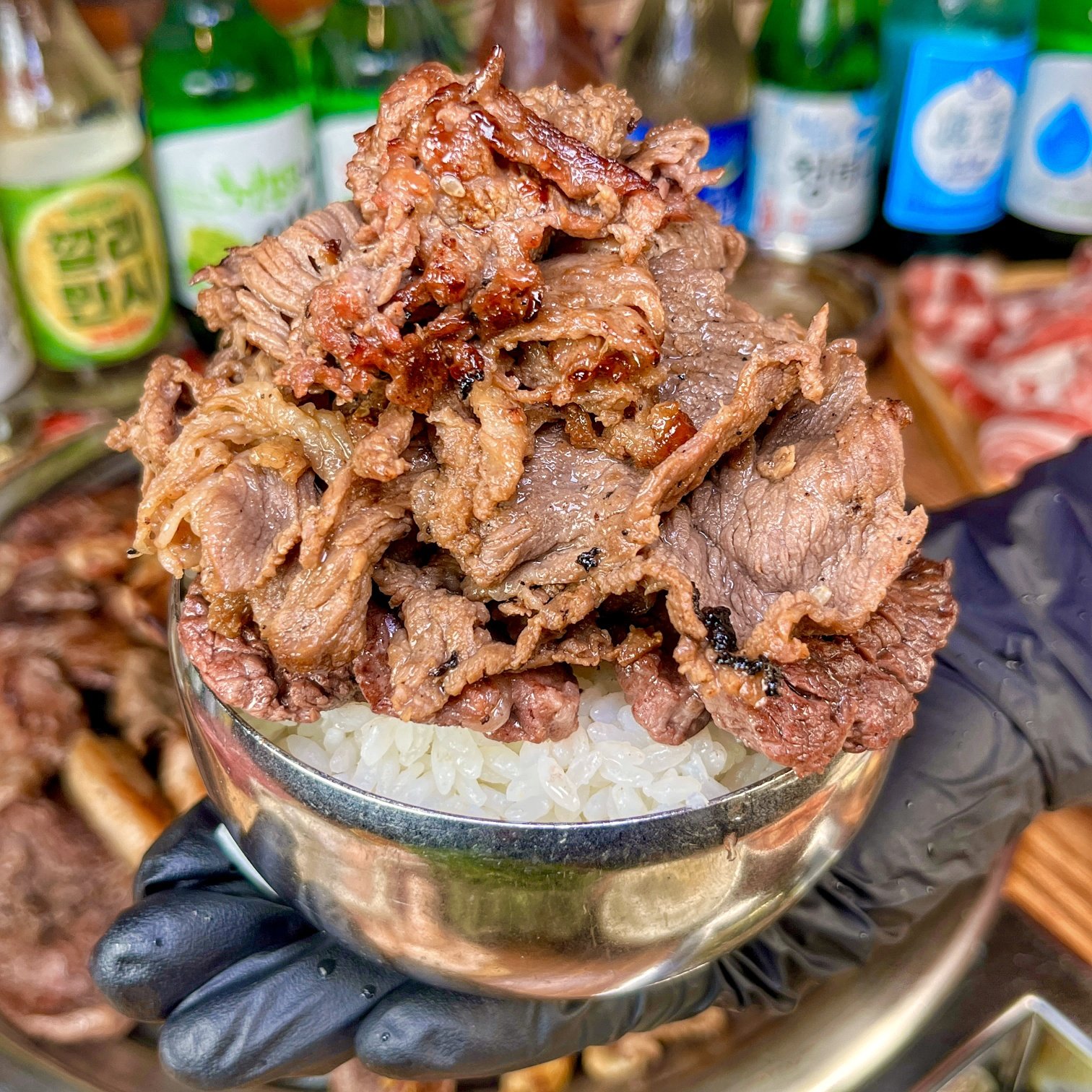
If you are new to Korean food, bulgogi is one of the best dishes to start with. It is sweet, savory, tender, easy to enjoy, and one of the most famous Korean meat dishes around the world. Many visitors try bulgogi before they fully understand Korean BBQ, banchan, ssam, soju, or table grilling culture.
So what is bulgogi?
Bulgogi is a Korean grilled or stir-fried meat dish, most commonly made with thin slices of beef marinated in a sweet and savory soy-sauce-based marinade. The marinade usually includes ingredients such as soy sauce, sugar, garlic, onion, sesame oil, black pepper, and Korean pear or other fruit for sweetness and tenderness. After marinating, the meat is cooked quickly over heat until it becomes tender, fragrant, and slightly caramelized.
The word bulgogi comes from Korean: bul means fire, and gogi means meat. In simple English, bulgogi can be understood as “fire meat.” Today, when most people say bulgogi, they usually mean thinly sliced marinated beef, but the word and dish have a longer history in Korean food culture.
At Mongvely in Myeongdong, we meet many foreign visitors who ask about Korean BBQ, marinated beef, pork belly, side dishes, sauces, and how to eat meat the Korean way. This guide explains bulgogi clearly so you can understand what it is, how it tastes, how it is eaten, and why it is such an important Korean dish.
➣ READ ALSO : The Ultimate Guide to Korean BBQ
What Does Bulgogi Taste Like?
Bulgogi is known for its sweet-savory flavor. It is not usually spicy. That makes it one of the easiest Korean dishes for first-time visitors to enjoy.
The main flavor comes from soy sauce, garlic, sesame oil, sugar, onion, and pear. The soy sauce gives saltiness and depth. Sugar or fruit gives sweetness. Garlic and onion add aroma. Sesame oil gives a nutty smell. Pear helps tenderize the meat and adds a gentle sweetness.
When cooked properly, bulgogi tastes rich but not too heavy. The thin beef slices absorb the marinade quickly, so every bite has flavor. When the meat touches the grill or pan, the sauce can caramelize slightly, creating a sweet, smoky, and savory edge.
This is why bulgogi is popular with both Koreans and foreigners. It has enough Korean flavor to feel special, but it is not difficult to understand. If kimchi jjigae, spicy tteokbokki, or strong fermented flavors feel too intense for your first Korean meal, bulgogi is a safer starting point.
Learn more about Korean BBQ cuts here :
➣ What Is Samgyeopsal? The Ultimate Guide to Korea’s Most Loved BBQ Pork Belly
➣ What Is Gopchang? The Ultimate Guide to a Hidden Gem in Korean BBQ
Is Bulgogi Always Beef?
Classic bulgogi usually refers to beef bulgogi, called sogogi bulgogi in Korean. Beef is the most famous version, and it is the version many tourists expect when they search for “what is bulgogi.”
However, bulgogi-style marinades can also be used with other meats.
Beef Bulgogi
This is the most common and internationally famous version. Thin slices of beef are marinated in a sweet soy-based sauce, then grilled or stir-fried.
Pork Bulgogi
Pork bulgogi can be soy-based or spicy. A spicy version, often called dwaeji bulgogi, may use gochujang or chili-based seasoning. It has a stronger flavor than beef bulgogi.
Chicken Bulgogi
Chicken bulgogi is less traditional as a famous restaurant dish, but it exists as a marinated chicken version using similar Korean-style flavors.
When foreigners talk about bulgogi, they usually mean beef unless the menu says pork bulgogi or spicy pork bulgogi.
A Short History of Bulgogi
Bulgogi did not appear out of nowhere. It belongs to Korea’s long history of grilled and seasoned meat.
Older Korean grilled-meat traditions are often connected to dishes such as maekjeok, a skewered grilled meat from ancient Korea, and neobiani, a thinly sliced grilled beef dish associated with later Korean dining culture. Over time, Korean meat dishes changed depending on cooking methods, social conditions, ingredients, and restaurant culture.
The modern meaning of bulgogi became more familiar in the twentieth century, especially as thinly sliced marinated beef became widely recognized as the dish people know today.
This is important because bulgogi is not just “Korean teriyaki beef” or “sweet beef.” It is part of Korean BBQ history, home cooking, restaurant culture, and the broader tradition of cooking meat over fire.
What Is Bulgogi Marinade Made Of?
A typical bulgogi marinade is built around a few key ingredients.
Soy Sauce
Soy sauce is the base of the marinade. It gives saltiness, umami, and depth.
Sugar or Honey
Sweetness is important in bulgogi. Sugar, honey, syrup, or fruit can be used to balance the soy sauce and help the meat caramelize during cooking.
Garlic
Garlic gives bulgogi its strong Korean aroma. Without garlic, bulgogi tastes flat.
Onion
Onion adds sweetness and body to the marinade. Some recipes blend onion directly into the sauce.
Korean Pear
Korean pear is often used for sweetness and tenderness. It helps soften the meat and gives a clean fruit flavor. If Korean pear is not available, some people use apple, kiwi, or other fruit, but Korean pear is the classic choice.
Sesame Oil
Sesame oil gives a nutty smell and smooth finish. It is powerful, so a little goes a long way.
Black Pepper and Green Onion
Black pepper adds warmth, while green onion adds freshness.
Every family and restaurant has its own version. Some marinades are sweeter. Some are more garlicky. Some include ginger, rice wine, mushrooms, or sesame seeds. There is no single recipe that represents all bulgogi.
Why Is the Meat Sliced So Thin?
Thin slicing is one of the most important parts of bulgogi.
Bulgogi is usually made with thin slices of beef because thin meat absorbs marinade quickly and cooks fast. This creates a tender texture and strong flavor without needing a long cooking time.
Thin meat also works well on a grill or hot pan. It cooks quickly, gets slightly caramelized, and stays easy to eat with rice, lettuce, and side dishes.
Common beef cuts for bulgogi include sirloin, ribeye, tenderloin, or other tender cuts. Some home cooks also use more affordable cuts if they slice them thin and marinate them well.
How Is Bulgogi Cooked?
Bulgogi can be cooked in several ways.
Grilled Bulgogi
This is the version most connected to the meaning of “fire meat.” The marinated meat is cooked over a grill, charcoal, or barbecue-style heat. Grilled bulgogi can have a smoky aroma and slightly charred edges.
Pan-Fried Bulgogi
At home, many Koreans cook bulgogi in a pan. This creates a softer, juicier version because the marinade collects in the pan with onions, mushrooms, and other vegetables.
Table BBQ Bulgogi
At some Korean BBQ restaurants, bulgogi can be cooked at the table. The experience is social because people share the grill, cook together, and eat slowly with banchan and drinks.
Hot Pot-Style Bulgogi
Some regional or restaurant styles cook bulgogi with broth, vegetables, glass noodles, or mushrooms. This version is softer and more stew-like than dry grilled bulgogi.
The cooking method changes the final taste. Grilled bulgogi tastes smokier. Pan bulgogi tastes saucier. Broth-style bulgogi tastes lighter and sweeter.
Bulgogi vs Korean BBQ: Are They the Same?
Bulgogi is part of Korean BBQ culture, but it is not the same as all Korean BBQ.
Korean BBQ is a broad dining style where meat is grilled, often at the table. It includes many different meats and cuts, such as samgyeopsal, galbi, brisket, pork neck, beef ribs, intestines, and marinated meats.
Bulgogi is one specific dish: thinly sliced marinated meat, usually beef.
So the relationship is simple:
All bulgogi can be part of Korean BBQ, but not all Korean BBQ is bulgogi.
For example, pork belly is Korean BBQ, but it is not bulgogi unless it is prepared with a bulgogi-style marinade. Galbi is Korean BBQ, but it is a different dish made from ribs or short ribs. Brisket can be Korean BBQ, but plain brisket is not bulgogi because it is not marinated in the same sweet soy sauce style.
Bulgogi vs Galbi
Foreign visitors often confuse bulgogi and galbi because both can be marinated, sweet-savory, and served at Korean BBQ restaurants.
The difference is mainly the cut and style.
Bulgogi usually uses thin slices of beef. It is soft, quick-cooking, and often easier to eat with rice or lettuce wraps.
Galbi usually refers to ribs or short ribs. The meat is thicker, meatier, and often connected to a more premium BBQ experience.
Both can be marinated in sweet soy-based sauces, but the eating experience is different. Bulgogi is thin and tender. Galbi is richer and more focused on the rib cut.
Bulgogi vs Samgyeopsal
Samgyeopsal is pork belly. It is usually not marinated. It is grilled plain, then eaten with salt, sesame oil, ssamjang, garlic, kimchi, and lettuce.
Bulgogi is usually marinated and often made with beef.
So if you want something sweet and savory, choose bulgogi. If you want something rich, crispy, and pork-based, choose samgyeopsal.
Both are important Korean BBQ foods, but they are very different.
How Do Koreans Eat Bulgogi?
Bulgogi can be eaten in many ways.
With Rice
This is one of the simplest ways. Put bulgogi on top of rice and eat it with kimchi or other side dishes. The sweet-savory sauce goes well with plain rice.
In Lettuce Wraps
You can wrap bulgogi in lettuce with rice, garlic, ssamjang, kimchi, or pickled radish. This is called ssam, which means wrap.
With Banchan
Bulgogi tastes better with Korean side dishes. Kimchi, pickled radish, bean sprouts, seasoned greens, and lettuce help balance the sweetness and richness.
With Noodles
Some versions of bulgogi include glass noodles, mushrooms, or vegetables. Bulgogi can also be eaten with cold noodles after BBQ for a refreshing finish.
With Soju or Beer
Bulgogi also works as anju, meaning food eaten with alcohol. The sweet-savory grilled meat pairs well with soju, beer, or somaek.
Why Foreigners Usually Like Bulgogi
Bulgogi is one of the most foreigner-friendly Korean dishes because it is flavorful but not too intimidating.
It is usually not spicy. The meat is tender. The sauce is familiar enough because it has sweet and savory notes. It can be eaten with rice, lettuce, noodles, or side dishes. It also works well for people who are trying Korean BBQ for the first time.
For tourists in Seoul, bulgogi is a good bridge into Korean cuisine. After trying bulgogi, many people become more comfortable exploring stronger Korean flavors such as kimchi jjigae, doenjang jjigae, spicy pork, gopchang, or fermented side dishes.
Is Bulgogi Healthy?
Bulgogi can be part of a balanced meal, but it depends on how it is prepared and how much you eat.
The good side is that bulgogi is protein-rich and often eaten with vegetables, lettuce, kimchi, and other side dishes. If you eat it with rice and banchan, it can be a complete meal.
The part to watch is the marinade. Bulgogi can contain sugar, soy sauce, and sesame oil, so it may be higher in sodium and sweetness than plain grilled meat. Restaurant versions can also vary.
If you want a lighter meal, eat bulgogi with lettuce, vegetables, kimchi, and moderate rice. If you want a richer meal, enjoy it with rice, noodles, soup, and drinks.
Like most Korean BBQ, balance matters.
Can You Eat Bulgogi If You Do Not Like Spicy Food?
Yes. Bulgogi is one of the best Korean dishes for people who do not like spicy food.
Classic beef bulgogi is usually not spicy. It is sweet, savory, garlicky, and slightly nutty from sesame oil. If you are sensitive to spice, bulgogi is safer than dishes such as tteokbokki, kimchi jjigae, spicy pork, or dakgalbi.
However, always check the menu. Some pork bulgogi or regional versions can be spicy, especially if they use gochujang or chili powder.
Is Bulgogi Served at Every Korean BBQ Restaurant?
Not always.
Many Korean BBQ restaurants focus on specific meats. Some specialize in pork belly, premium beef, galbi, intestines, or all-you-can-eat BBQ. Bulgogi may be served at some restaurants, but it is not guaranteed everywhere.
If a restaurant menu says bulgogi, it should be a marinated meat dish. If the menu only says marinated beef, it may be similar in flavor but not necessarily listed as traditional bulgogi.
At Mongvely, our focus is all-you-can-eat Korean BBQ in Myeongdong with beef, pork, banchan, sauces, and table grilling. Many visitors ask about Korean marinated meat culture, so understanding bulgogi helps explain why sweet soy-based marinades are so familiar in Korean BBQ.
How to Order Bulgogi in Korea
If you want beef bulgogi, look for:
불고기 — bulgogi
소불고기 — beef bulgogi
돼지불고기 — pork bulgogi
고추장불고기 — spicy gochujang bulgogi
뚝배기불고기 — bulgogi served in a hot stone bowl or stew-like style
If you are in a tourist area like Myeongdong, menus may include English. Still, knowing these Korean words can help.
If you are not sure whether a dish is spicy, ask:
“Is it spicy?”
If you do not eat pork, check carefully because pork bulgogi is common.
Final Thoughts: What Is Bulgogi?
Bulgogi is one of Korea’s most famous and approachable meat dishes. It is usually made with thinly sliced beef marinated in a sweet-savory soy sauce mixture with garlic, onion, sesame oil, sugar, and pear. The meat is grilled or cooked quickly, then eaten with rice, lettuce wraps, kimchi, sauces, and side dishes.
Its name means “fire meat,” but modern bulgogi is more than just meat cooked over heat. It represents Korean BBQ culture, home cooking, shared meals, and the balance of sweet, savory, smoky, and fresh flavors.
If you are visiting Korea for the first time, bulgogi is a good dish to understand before trying Korean BBQ. It teaches you how Korean marinades work, why side dishes matter, and how grilled meat becomes a full meal when eaten with rice, vegetables, sauces, and banchan.
And if you are visiting Myeongdong, learning about bulgogi will help you enjoy Korean BBQ with more confidence, whether you are trying marinated beef, pork belly, side dishes, cold noodles, soju, or the full table-grilling experience.
FAQ: What Is Bulgogi?
What is bulgogi?
Bulgogi is a Korean marinated meat dish, usually made with thin slices of beef in a sweet-savory soy-sauce-based marinade. It is grilled, stir-fried, or cooked on a hot pan.
What does bulgogi mean?
Bulgogi comes from Korean. “Bul” means fire, and “gogi” means meat. It is often translated as “fire meat.”
Is bulgogi beef or pork?
Classic bulgogi usually refers to beef bulgogi, but pork bulgogi and chicken bulgogi also exist. If a menu only says bulgogi, it usually means beef unless stated otherwise.
Is bulgogi spicy?
Beef bulgogi is usually not spicy. It is sweet, savory, garlicky, and slightly nutty from sesame oil. Some pork bulgogi versions can be spicy if they use gochujang or chili seasoning.
What is bulgogi sauce made of?
Bulgogi sauce is usually made with soy sauce, sugar, garlic, onion, sesame oil, black pepper, and Korean pear or another fruit. Some recipes also include ginger, green onion, honey, or sesame seeds.
Why is pear used in bulgogi?
Korean pear adds sweetness and helps tenderize the meat. It gives bulgogi a softer texture and cleaner flavor.
What meat is best for bulgogi?
Tender beef cuts such as ribeye, sirloin, or tenderloin are commonly used. The meat should be sliced thinly so it absorbs the marinade and cooks quickly.
How is bulgogi cooked?
Bulgogi can be grilled over fire, cooked on a tabletop grill, stir-fried in a pan, or cooked with broth and vegetables depending on the style.
Is bulgogi the same as Korean BBQ?
No. Bulgogi is one type of Korean BBQ or Korean grilled meat dish. Korean BBQ includes many meats such as pork belly, galbi, brisket, intestines, and marinated cuts.
What is the difference between bulgogi and galbi?
Bulgogi usually uses thin slices of marinated beef. Galbi usually refers to ribs or short ribs. Both can be sweet-savory and grilled, but the cut and texture are different.
What is the difference between bulgogi and samgyeopsal?
Bulgogi is usually marinated beef, while samgyeopsal is pork belly that is usually grilled without marinade. Bulgogi is sweeter and softer. Samgyeopsal is richer, fattier, and crispier.
What do you eat with bulgogi?
Bulgogi is commonly eaten with rice, lettuce wraps, kimchi, garlic, ssamjang, pickled radish, side dishes, cold noodles, or soybean stew.
Can foreigners enjoy bulgogi easily?
Yes. Bulgogi is one of the easiest Korean dishes for foreigners to enjoy because it is usually not spicy and has a sweet-savory flavor.
Is bulgogi healthy?
Bulgogi can be part of a balanced meal, especially with vegetables and side dishes. However, the marinade can contain sugar and soy sauce, so it may be higher in sweetness and sodium than plain grilled meat.
Where can I try Korean BBQ in Myeongdong?
You can visit Mongvely, an all-you-can-eat Korean BBQ restaurant in Myeongdong. Mongvely offers beef, pork, side dishes, sauces, and table grilling near Myeongdong Station and Euljiro 1-ga.
Visit Us Now!
Mongvely Main Branch
Address: Myeongdong 8na-gil 9 3rd Floor
Opening Hours: 11:30 a.m. to 2:00 a.m.
Mongvely 2nd Branch
Address: Myeongdong 3-gil 44 2nd Floor
Opening Hours: 11:30 a.m. to 2:00 a.m.
Follow us on Instagram: @kbbqmongvely
